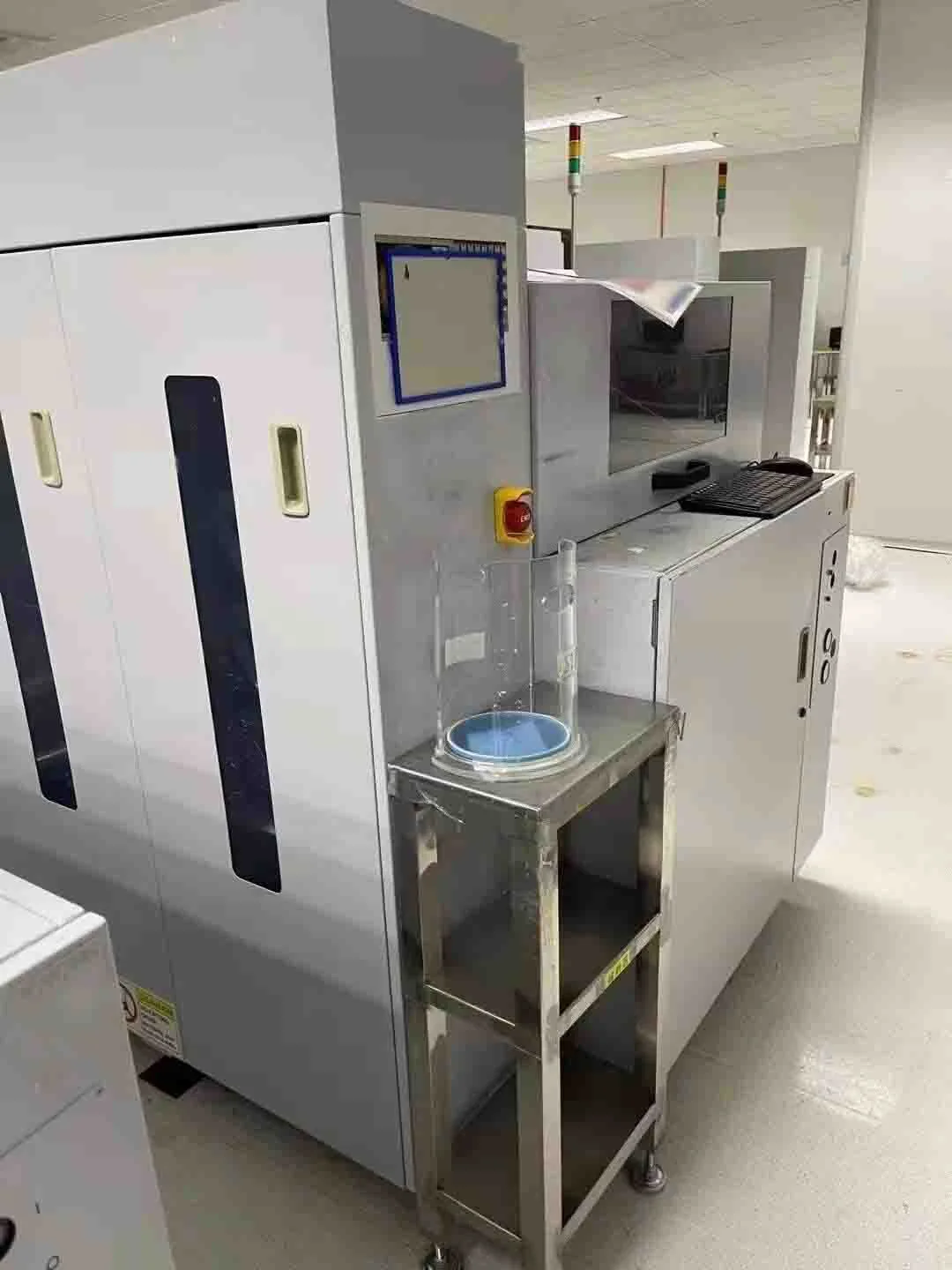
Trefnydd Mapiau ASMPT MS100 Plus II | Peiriant Trefnu Marw Defnyddiedig
Archwiliwch offer didoli mapiau ASMPT MS100 Plus II a ddefnyddiwyd ar gyfer trin marw dan arweiniad mapiau. Cadarnhewch y modiwlau a'r meddalwedd sydd wedi'u gosod...
arbedwch hyd at 70% ar Rannau SMT – Mewn Stoc ac yn Barod i'w Cludo
Cael Dyfynbris →Mae ASM MS100 Plus II yn fodel sydd wedi'i restru ar wahân yn y teulu MS100 ac mae'n ymddangos mewn cofnodion offer ail-law fel didolwr mapiau. Gan fod disgrifiadau cyhoeddus o'i galedwedd a'i berfformiad yn gwrthdaro, mae'r dudalen hon yn canolbwyntio ar hunaniaeth y model, y llwybr didoli marw a'r dystiolaeth sydd ei hangen i adolygu uned ail-law wirioneddol.
Mae'r enw Plus II yn cadarnhau targed model penodol, nid cyflymder, pen, ffrâm, gweledigaeth na chyfluniad allbwn cyffredinol. Rhaid i'r manylion hynny ddilyn y peiriant penodol sy'n cael ei ddyfynnu.
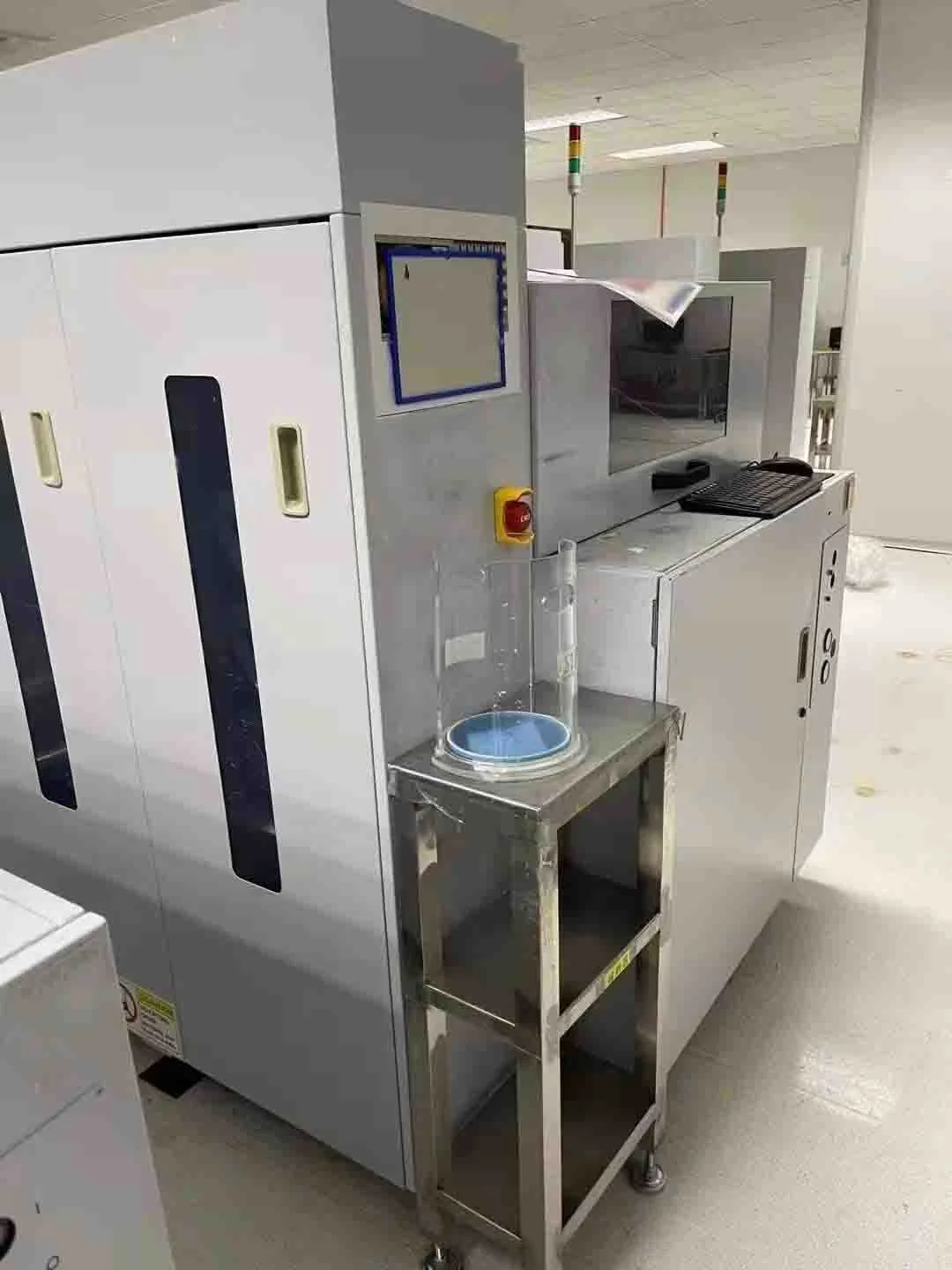
Adolygwch unrhyw beiriannau Plus II sydd wedi'u rhestru isod ar hyn o bryd, neu cyflwynwch y model a'r llwybr cynhyrchu fel y gellir gwirio uned heb ei rhestru trwy'r sianeli cyrchu sydd ar gael.
Archwiliwch offer didoli mapiau ASMPT MS100 Plus II a ddefnyddiwyd ar gyfer trin marw dan arweiniad mapiau. Cadarnhewch y modiwlau a'r meddalwedd sydd wedi'u gosod...
Eglurwch sut mae'r mowld yn cyrraedd, pa ddata cynhyrchu sy'n rheoli'r graddau a ble mae'n rhaid gosod y mowld a ddewiswyd; mae hyn yn rhoi digon o gyd-destun i'r adolygiad ffynhonnellu i chwilio am beiriant gyda llwybr defnyddiadwy yn hytrach na chyfateb enw'r model yn unig.
Mae cofnodion offer ail-law cyhoeddus yn cefnogi MS100 Plus II fel enw model ASM ar wahân ac yn nodi o leiaf un uned gofnodedig fel didolwr mapiau. Mae'r disgrifiadau technegol hirach sydd ynghlwm wrth dudalennau'r farchnad yn anghyson ac weithiau'n dosbarthu'r un peiriant fel atodwr marw, felly ni ellir eu cyfuno i mewn i un fanyleb safonol.
Mae MS100 Plus II wedi'i restru ar wahân i MS100 ac MS100 Plus, felly dylai prynwyr ddefnyddio'r enw llawn wrth chwilio, gofyn am ffotograffau a gwirio label y peiriant.
Mae cofnod offer ail-law cyhoeddus yn nodi uned 2015 fel didolwr mapiau, sy'n cefnogi'r rôl didoli marw heb brofi bod gan bob peiriant Plus II yr un llwybr wedi'i osod.
Dylai trefniant y pen, trin y ffrâm, meddalwedd, gweledigaeth, cyfryngau allbwn a chyflwr gweithredu ddeillio o'r plât enw, ffotograffau'r peiriant, cofnodion ffurfweddu ac arddangosiad o'r uned a gynigir.
Dylid gwerthuso'r peiriant fel y bont rhwng gwybodaeth gradd i fyny'r afon a'r allbwn didoledig gofynnol. Mae'r tudalennau cyfagos isod yn helpu prynwyr i ddilyn y broses ehangach heb droi'r dudalen fodel hon yn ganllaw profi lled-ddargludyddion cyflawn.
Mae'r Plus II yn eistedd yn y cam didoli ffisegol. Mae'n dibynnu ar fap, gwybodaeth bin neu rysáit wedi'i baratoi, y trefniant casglu a gweledigaeth sydd wedi'i osod, ac allbwn sy'n barod ar gyfer y llawdriniaeth nesaf. Dyma pam mae'n rhaid adolygu addasrwydd y prosiect a chyfluniad y peiriant ail-law gyda'i gilydd.
Archwilio Offer Trin Codi a Gosod →Mae cyfatebiaeth ddefnyddiol yn dilyn y mowld o'r wafer neu'r ffrâm ffilm sy'n dod i mewn, trwy'r data sy'n rheoli'r dewis, i'r cludwr neu'r broses sy'n derbyn yr allbwn wedi'i ddidoli. Mae pob rhan yn newid yr hyn y mae'n rhaid i'r peiriant sydd ar gael ei gefnogi'n gorfforol ac yn ddigidol.
Mae dimensiynau'r ffrâm, cynllun y mowld, y trwch, y cyfeiriadedd a chyflwr yr wyneb yn pennu sut mae'n rhaid cynnal a chodi'r deunydd. Fel arfer, mae ffotograff neu lun yn egluro'r berthynas drin yn gliriach na diamedr wafer yn unig.
Rhaid i'r wybodaeth map, bin neu rysáit sydd ar gael gynnwys graddau a chyrchfannau mewn ffurf y gall y feddalwedd sydd wedi'i gosod ei dehongli. Ni all hyd yn oed mecanigion addas atgynhyrchu'r llwybr didoli bwriadedig pan nad yw'r data cynhyrchu a chymorth y rhaglen yn cysylltu.
Mae nifer y graddau, y cludwr allbwn, y patrwm lleoli, y cyfaint targed ac amlder y newid yn effeithio ar y modiwlau cyrchfan a'r gosodiad gweithredu. Mae'r gofyniad olaf hwn yn cysylltu'r deunydd sy'n dod i mewn a'r data didoli â phwrpas cynhyrchu gwirioneddol y peiriant.
Gall adolygiad cyntaf ddechrau gydag un ddelwedd ffrâm ac esboniad byr o'r dull graddio a'r allbwn didoli gofynnol. Gall cofnodion technegol mwy manwl ddilyn ar ôl deall y llwybr.
Trafodwch y Llwybr Didoli-DaisNid disgrifiad model wedi'i gopïo yw'r dystiolaeth fwyaf defnyddiol. Y gadwyn o gofnodion sy'n dangos pa beiriant a gynigir, sut mae wedi'i ffurfweddu, beth all ei ddangos a beth fydd y gwerthwr yn ei gyflenwi.
Mae marc y gwneuthurwr, label cyflawn y model, y rhif cyfresol, y flwyddyn gynhyrchu pan fyddant ar gael a ffotograffau cyfredol yn sefydlu pa uned sy'n cael ei hadolygu ac yn helpu i ddatgelu addasiadau neu adrannau coll.
Effaith prynu: yn atal disgrifiad generig Plus II rhag cael ei gamgymryd am yr offer a ddyfynnwyd mewn gwirionedd.Mae modiwlau llwytho, caledwedd codi, trefniant alldaflu, camerâu, goleuadau a chaledwedd cyrchfan yn pennu'r hyn y gall yr uned ei drin yn gorfforol. Dylid cymharu'r cydrannau gweladwy hyn â llwybr y prosiect cyn i'r pris ddod yn brif benderfyniad.
Effaith prynu: yn dangos a yw'r peiriant eisoes yn ddefnyddiadwy neu a oes angen rhannau trosi a gwaith peirianneg arno.Mae fersiwn meddalwedd, cefnogaeth data map, ryseitiau, copïau wrth gefn o raglenni, deiliaid, cludwyr ac offer codi yn effeithio ar ba mor gyflym y gall yr offer ddychwelyd i gynhyrchu. Gall cofnodion neu offer sydd ar goll greu mwy o waith nag y mae pris y peiriant yn ei awgrymu ar yr olwg gyntaf.
Effaith prynu: yn datgelu cost paratoi nad yw'n weladwy ym mhris sylfaenol y peiriant.Dylai tystiolaeth ddefnyddiol ddangos symudiad, gweledigaeth, codi a swyddogaethau allbwn cyn belled ag y mae'r cyflwr sydd ar gael yn caniatáu. Dylai'r dyfynbris hefyd nodi ategolion sydd wedi'u cynnwys, diffygion hysbys, dull pacio ac unrhyw waith sy'n parhau i fod y tu allan i gwmpas y danfoniad.
Effaith prynu: yn gwneud i'r cynnig masnachol adlewyrchu'r cyflwr a'r cyfrifoldebau a welwyd.Mae gan bob model dudalen lanio ar wahân fel y gall defnyddwyr gyrraedd y targed chwilio cywir heb drin MS100, MS100 Plus ac MS100 Plus II fel enwau cyfnewidiol.
Mae'r atebion hyn yn canolbwyntio ar hunaniaeth y model, cyfyngiadau manylebau cyhoeddus a'r dystiolaeth sydd ei hangen i adolygu peiriant unigol a ddefnyddir.
Ydw. Mae cofnodion offer ail-law yn rhestru MS100 Plus II fel enw model ar wahân. Felly dylid defnyddio'r label cyflawn wrth chwilio am offer ac adolygu plât enw'r peiriant.
Ni chanfuwyd unrhyw fanyleb gyffredinol ddibynadwy. Mae disgrifiadau'r farchnad yn gwrthdaro ac weithiau'n cymysgu didoli mapiau ag atodi marw, felly dylai cyflymder, cywirdeb, ffurfweddiad y pen ac ystod y ffrâm a gefnogir ddod o gofnod gwirioneddol y peiriant.
Mae cofnodion cyhoeddus yn cefnogi rôl didoli mapiau. Gall weithredu ger prosesau profi a graddio, ond nid yw enw'r model yn unig yn profi profi cyswllt dyfais wedi'i becynnu, cyflyru thermol na rhyngwyneb ATE uniongyrchol.
Mae delwedd neu lun o'r ffrâm ac esboniad byr o sut mae'r dis yn cael ei raddio a ble mae'n rhaid ei osod ar ôl ei ddidoli yn ddigon i ddechrau. Gellir gofyn am ddata mwy manwl ar ôl deall y llwybr cyflawn.
Gallwch gyflwyno'r model cyflawn a'r llwybr didoli marw bwriadedig ar gyfer adolygiad ffynhonnell. Bydd argaeledd, ffurfweddiad, cyflwr a chwmpas dosbarthu yn dilyn yr offer gwirioneddol a geir.
Anfonwch enw llawn y model, delwedd o'r ffrâm a disgrifiad byr o'r dull graddio a'r allbwn gofynnol. Yna gall GEEKVALUE wirio'r offer sydd ar gael, gofyn am dystiolaeth benodol i'r peiriant a pharatoi'r dyfynbris o amgylch yr uned a gynigiwyd mewn gwirionedd.
Pam mae cymaint o bobl yn dewis gweithio gyda GeekValue?
Mae ein brand yn lledaenu o ddinas i ddinas, ac mae nifer dirifedi o bobl wedi gofyn i mi, "Beth yw GeekValue?" Mae'n deillio o weledigaeth syml: grymuso arloesedd Tsieineaidd gyda thechnoleg arloesol. Dyma ysbryd brand o welliant parhaus, wedi'i guddio yn ein hymgais ddi-baid am fanylion a'r hyfrydwch o ragori ar ddisgwyliadau gyda phob danfoniad. Nid dyfalbarhad ein sylfaenwyr yn unig yw'r crefftwaith a'r ymroddiad bron obsesiynol hwn, ond hefyd hanfod a chynhesrwydd ein brand. Gobeithiwn y byddwch yn dechrau yma ac yn rhoi cyfle inni greu perffeithrwydd. Gadewch inni weithio gyda'n gilydd i greu'r wyrth "dim diffyg" nesaf.
ManylionCysylltwch ag arbenigwr gwerthu
Cysylltwch â'n tîm gwerthu i archwilio atebion wedi'u teilwra sy'n diwallu anghenion eich busnes yn berffaith ac i fynd i'r afael ag unrhyw gwestiynau sydd gennych.

© Cedwir Pob Hawl. Cymorth Technegol: TiaoQingCMS