ave up to 70% on SMT Parts – In Stock & Ready to Ship
Get Quote →A definitive master diagnosis guide for ASM SIPLACE 2x8mm dual-lane tape feeders. Learn to rapidly isolate component mispicks, prevent film peeling failures, resolve tape jamming jams, and minimize machine downtime error logs on high-speed SMT assembly lines.
The vision system of the placement head triggers repetitive optical alignment rejections. Components are picked off-center, or the nozzle fails to draw the component out of the pocket entirely.
The anti-static plastic cover film tears midway or slips off the winding wheel. This leaf-spring wear causes the film to remain over the pocket, blocking nozzle access and triggering major line stops.
The feeder under-advances or over-advances the carrier tape. This micro-stepping friction deviation skips individual pockets, causing massive component wastage and false empty-reel sensor alerts.
Submerge dismounted mechanical gears and guide plates into an ultrasonic cleaner with isopropyl alcohol (IPA) to eliminate solder paste splatter, old grease, and micro-dust fields.
Extract index springs and cover film tension wires. Evaluate structural elongation limits. Replace items showing a structural tensile reduction exceeding 15% from original factory parameters.
Mount the feeder onto an automated calibration platform. Force calibration steps until the structural X/Y deviation reads within ≤0.03mm under automated vision camera tracking.
Polish electrical interface gold pins with anti-static fiber pens. Reapply a micro-layer of premium conductive contact grease to eliminate potential power-drop communication noise.
A single uncalibrated ASM 2x8mm feeder running on a high-speed SMT line can generate a mispick rate exceeding 1.5%. Over a standard 24-hour manufacturing shift, this trivial-looking drop triggers thousands of wasted passive components and constant machine line stops.
Implementing an automated tracking log based on individual feeder IDs is highly recommended to isolate failing units before they trigger massive yield collapses.
If your equipment shows persistent calibration drift after maintenance, cross-check structural tolerances with our ASM 2x8mm Feeder Selection & CPK Comparison Guide to evaluate structural replacement thresholds.
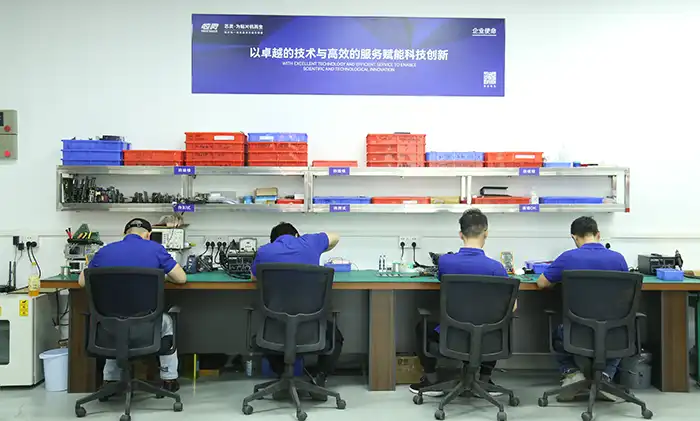
[Industrial Maintenance Rig Setup Visual Placement]
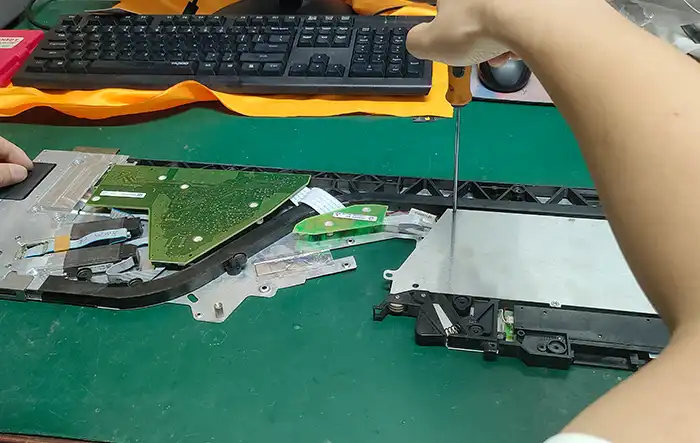
This error is predominantly caused by aging index advance springs or cumulative friction inside the plastic carrier tape track. When the advance stroke slows down down by milliseconds, the machine nozzle descends before the next component is fully positioned in the pick center, causing a blank pick.
Swap the suspect feeder to an adjacent empty trolley slot running the exact same component reel. If the mispick code follows the feeder to the new slot, the problem resides within the feeder's internal mechanics or calibration. If the error stays at the original slot, check the placement head nozzle wear, vacuum sensor values, or placement software vision parameters.
For standard 24/7 consumer electronics lines, complete mechanical cleaning and optical verification should be executed every 200 to 250 operating hours. For demanding automotive applications utilizing highly abrasive fiberglass carrier tapes, shorten this maintenance window to every 120 operating hours.
Cover tape tearing typically stems from an over-tightened friction clutch on the cover film take-up spindle or mechanical burrs on the edges of the feeder's peeling guide block. This creates sudden tension micro-spikes that tear the film, especially during high-speed, intermittent advancements.
Why do so many people choose to work with GeekValue?
Our brand is spreading from city to city, and countless people have asked me, "What is GeekValue?" It stems from a simple vision: to empower Chinese innovation with cutting-edge technology. This is a brand spirit of continuous improvement, hidden in our relentless pursuit of detail and the delight of exceeding expectations with every delivery. This almost obsessive craftsmanship and dedication is not only the persistence of our founders, but also the essence and warmth of our brand. We hope you will start here and give us an opportunity to create perfection. Let us work together to create the next "zero defect" miracle.
DetailsContact a sales expert
Reach out to our sales team to explore customized solutions that perfectly meet your business needs and address any questions you may have.

© All Rights Reserved. Technical Support:TiaoQingCMS