Machine identity
Manufacturer, exact model, year, serial number and current location when that information is available.
ave up to 70% on SMT Parts – In Stock & Ready to Ship
Get Quote →Die sorting equipment for moving singulated semiconductor dies from the required input carrier to the correct output, with inspection, classification, orientation, or other process functions added where the machine configuration supports them.
A die sorter works with individual dies rather than complete wafers. The first question is not simply how fast the machine runs, but whether the complete source-to-output route matches your process.
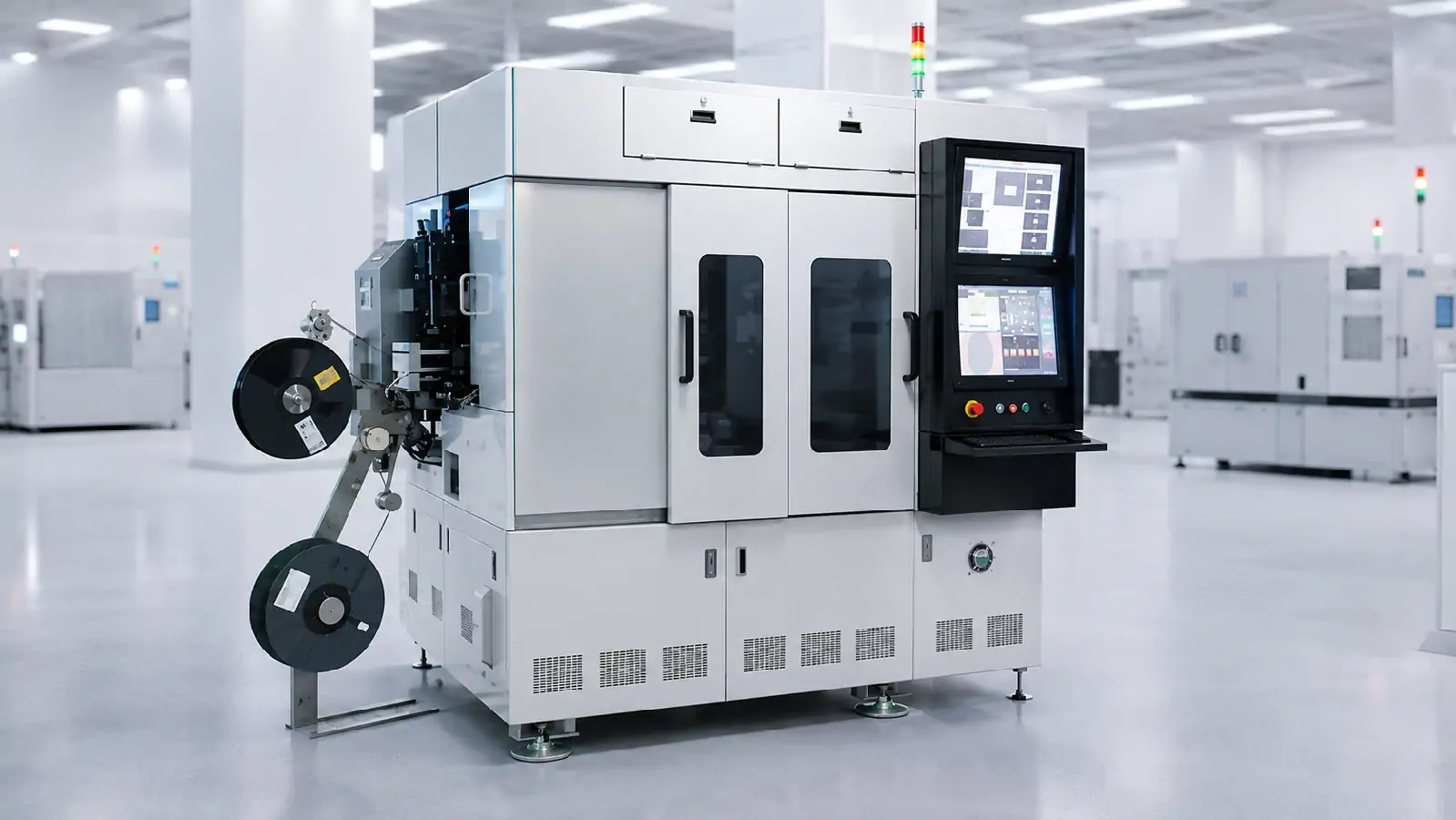
Start with current machine records, photos and available configuration information. A listed model becomes a purchase candidate only after the installed hardware, software, tooling, output setup and condition evidence fit the process you need to run.
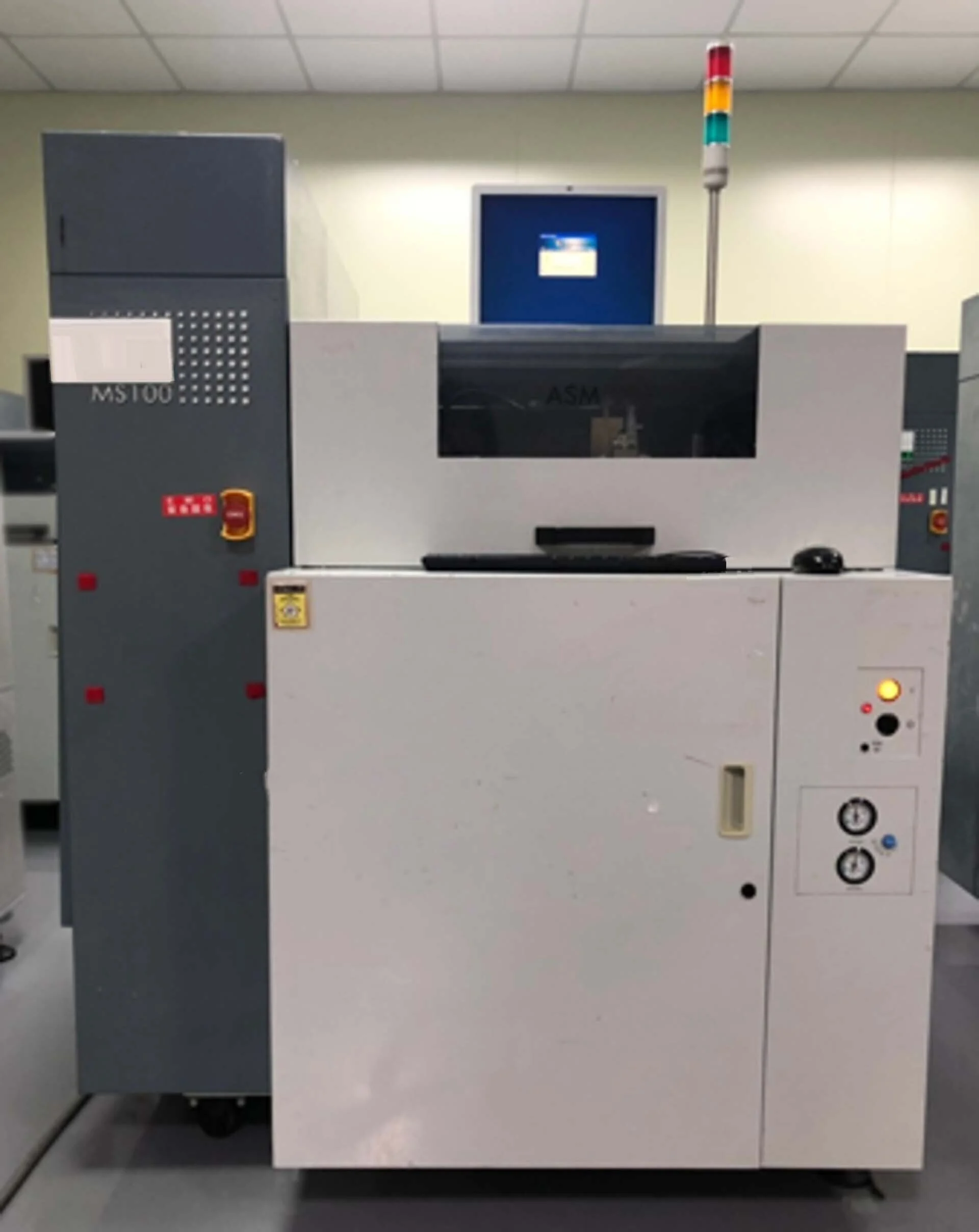
Used ASMPT MS100 map sorter for wafer map-based die picking, sorting and output placement. Check the actual ma...
Configuration, condition and availability must be confirmed per unit. Review machine record →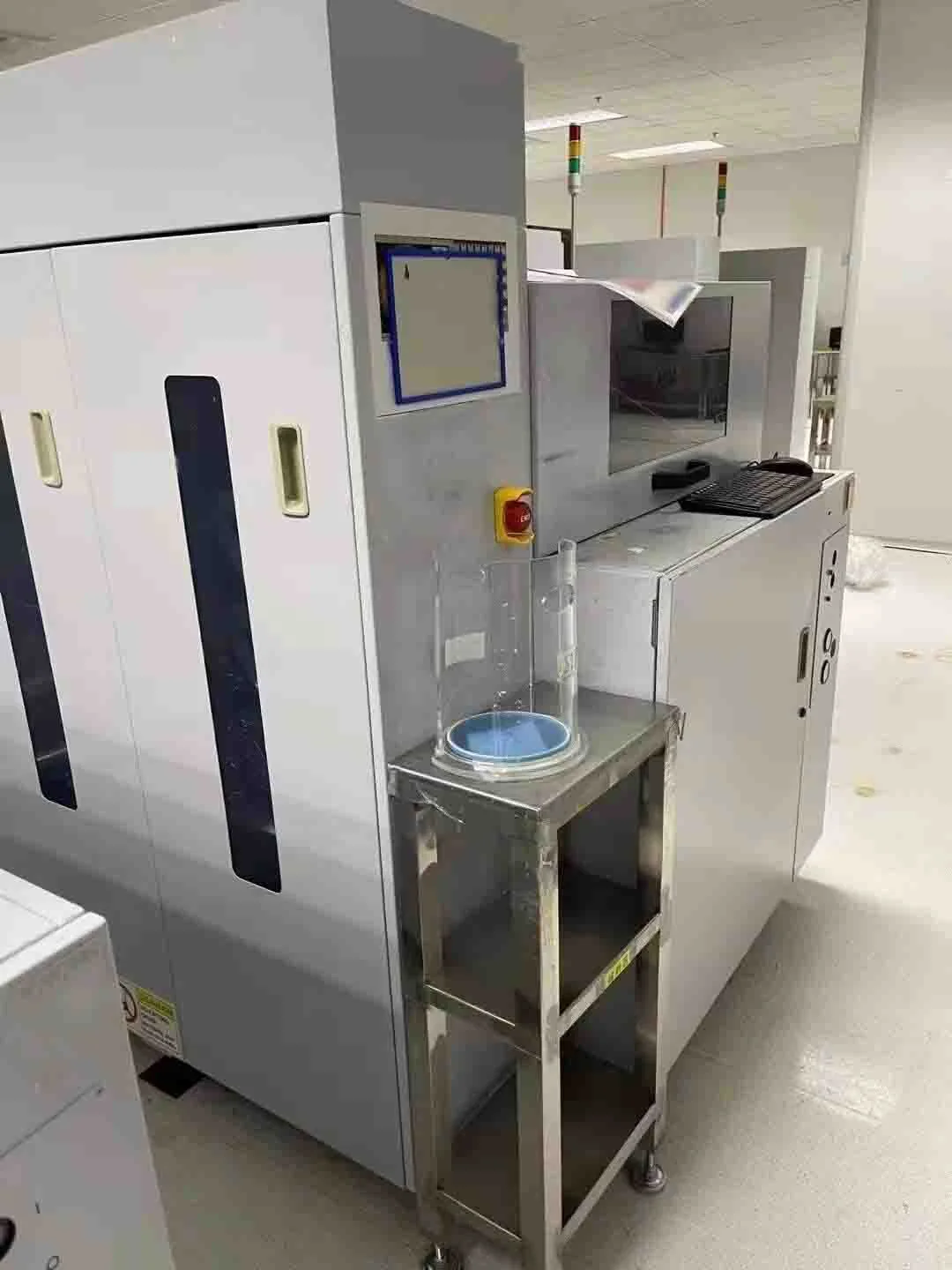
Explore used ASMPT MS100 Plus II map sorter equipment for map-guided die handling. Confirm the installed modul...
Configuration, condition and availability must be confirmed per unit. Review machine record →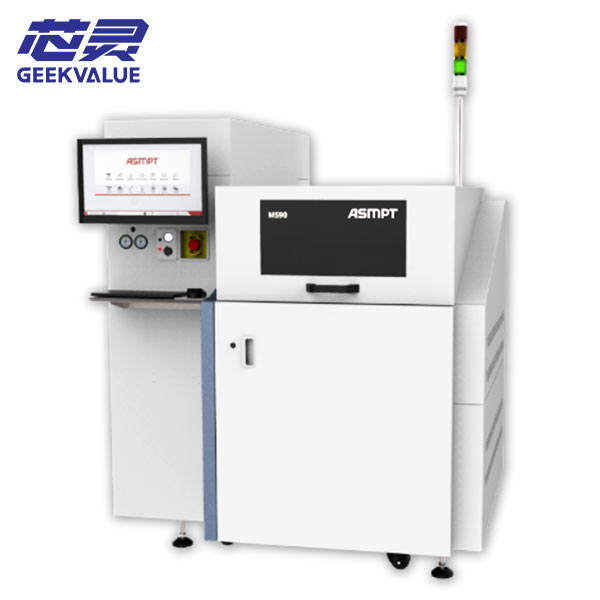
ASM sorting machine MS90 is a device designed for lamp bead sorting, with efficient and accurate sorting funct...
Configuration, condition and availability must be confirmed per unit. Review machine record →Public product cards may not expose every field. Before a unit becomes a serious purchase candidate, build the review around the individual machine rather than the model family alone.
Manufacturer, exact model, year, serial number and current location when that information is available.
Current availability, operating status, known faults, completeness and any functions that remain untested.
Loaders, handlers, tooling, cameras, inspection modules, software, licenses and included accessories.
Supported input carrier, die handling and orientation, sorting logic, inspection functions and installed output route.
Nameplate and current photos, power-on or operation video, test records and sample results where practical.
A die sorter handles individual semiconductor dies after dicing or singulation. It picks from the input carrier, applies the available map, bin, vision or inspection logic, and transfers each die to the required destination. The exact route depends on the platform and installed options.
Select the machine around the complete route from source to destination. The input carrier, sorting logic, transfer method, and required output must work as one process rather than as separate specifications.
Diced wafer frames and other supported carriers determine how the machine loads the product, accesses the die, and handles frame or map requirements.
Existing wafer-map or bin data may already determine the route. Depending on configuration, the sorter can also add supported inspection or decision functions.
Pick-and-place method, die orientation, flip or non-flip handling, tooling, and die fragility determine what the transfer stage must support.
Once the sorting route is defined, the next step is to check whether the machine can handle the actual die, tooling, inspection, data, and production requirements.
Dimensions, thickness, fragility and surface condition affect pickup, ejector, tooling and vision setup.
Pickup head, ejector, frame handling, loaders and conversion kits determine whether the machine can run the product.
AOI, sidewall inspection, IR and measurement functions depend on the platform and installed configuration.
Wafer maps, bin data, recipes, interfaces and licenses must support the intended sorting logic.
Tray, tape, wafer or frame output can require different handlers, tracks, tooling and software.
Judge throughput with the actual die and route; headline speed cannot correct a configuration mismatch.
Similar equipment names can describe very different process responsibilities. The clearest distinction is what the machine handles and the result it must produce.
| Equipment | Handled Object | Primary Responsibility |
|---|---|---|
| Wafer Sorter | Whole wafer | Move, identify, reorder, or transfer wafers between carriers or stations. |
| Wafer Prober / Electrical Wafer Sort | Dies while still on the wafer | Perform wafer-level electrical testing and create test or bin information. |
| Die Sorter | Singulated or diced die | Pick, inspect or classify, orient, and transfer individual dies. |
| Die Bonder | Bare die | Place and attach dies onto a substrate, leadframe, package, or other bonding destination. |
| Test Handler | Test-ready devices, typically packaged devices | Present devices to test equipment and route them according to final-test results. |
A model name tells you which platform you are looking at. It does not confirm that a specific used die sorter includes every option or function described in the original brochure.
Tooling, software licenses, cameras, loaders, inspection modules, output hardware, and other options can differ significantly from one machine to another.
What the manufacturer designed the model family to support when the required options, hardware, and software are present.
What is physically installed, licensed, included, and available on the specific unit being considered.
If you are considering a specific machine, send the model together with the input carrier, die details, required output, and any inspection or orientation requirement. We can compare the available machine information with that route and identify which configuration points still need confirmation. For condition, testing, FAT and quotation details, review the available used die sorter machines.
Inspection should answer what the exact machine can demonstrate now. The available FAT scope depends on its condition, tooling, software and test conditions.
Confirm the nameplate, serial information, visible configuration and available power-on evidence.
Define which axes, loaders, handlers, vision functions and output route can be checked.
Discuss sample work only when compatible product, tooling, recipes, software and site conditions are available.
Record faults, missing parts, excluded checks and functions that could not be verified.
A useful quotation identifies the individual machine and separates included work from optional or buyer-side responsibilities. For model research, compare our die sorter manufacturers and models.
Exact machine, installed configuration, tooling, accessories and any separately quoted items.
Agreed cleaning, repair, refurbishment, testing or preservation work before release.
Packing method, loading, freight, export documents and responsibility at each handover point.
Installation, training, technical support and warranty apply only when specifically included and agreed.
There is no single range that applies to every die sorter. Confirm the target die dimensions, thickness, fragility, and surface condition against the specific platform, pickup head, ejector, nozzle or tooling, and vision setup installed on the machine.
Specify both ends of the route: the wafer or frame format on the input side and the required tray, waffle pack, tape-and-reel, wafer, frame, or other destination. Then verify the installed loaders, fixtures, tracks, tooling, and software for that exact machine.
Many sorting processes use upstream wafer-map or bin information, but the data flow varies by platform and application. Confirm the required map or recipe format, how the data reaches the machine, and whether the installed software supports the intended sorting logic.
Some platforms can combine sorting with one or more inspection or test functions, but these are configuration-dependent. Check the cameras, optics, sensors, test hardware, software licenses, and process sequence on the actual machine rather than assuming the model name includes them.
It matters whenever the die must leave the sorter in a defined face-up or face-down orientation. Confirm the required final orientation early because flip capability can change the transfer method, tooling, cycle time, and machine configuration.
Start with the exact model and unit, then verify installed tooling, loaders, cameras, inspection modules, output hardware, software, included accessories and available condition information. The test method and delivery scope should be tied to that individual machine.
Possibly. The practical limit is set by the base platform, available conversion hardware, tooling, software, interfaces and target process. Confirm the conversion scope against the individual machine before treating another product or output route as achievable.
Send the input carrier or wafer-frame format, die size and thickness, required output, orientation or flip requirement, inspection or test needs, wafer-map or bin-data requirements, and your production target. If you already have a manufacturer, model, or specific used machine in mind, include that as well.
The quotation should identify the exact machine, installed configuration, included tooling and accessories, available testing or FAT scope, packing and delivery responsibilities, and any installation, training, technical support or warranty terms that have been specifically agreed.
Send the input carrier, die size and thickness, required output, orientation or flip requirement, inspection or test needs, and production target. If you already have a preferred manufacturer, model, or specific used machine in mind, include that too.
Why do so many people choose to work with GeekValue?
Our brand is spreading from city to city, and countless people have asked me, "What is GeekValue?" It stems from a simple vision: to empower Chinese innovation with cutting-edge technology. This is a brand spirit of continuous improvement, hidden in our relentless pursuit of detail and the delight of exceeding expectations with every delivery. This almost obsessive craftsmanship and dedication is not only the persistence of our founders, but also the essence and warmth of our brand. We hope you will start here and give us an opportunity to create perfection. Let us work together to create the next "zero defect" miracle.
DetailsContact a sales expert
Reach out to our sales team to explore customized solutions that perfectly meet your business needs and address any questions you may have.

© All Rights Reserved. Technical Support:TiaoQingCMS