ave up to 70% on SMT Parts – In Stock & Ready to Ship
Get Quote →Improve surface cleanliness, increase bonding strength, remove organic contamination, and enhance coating adhesion with reliable plasma cleaning equipment for wafer, PCB, MEMS, and industrial surface treatment applications.
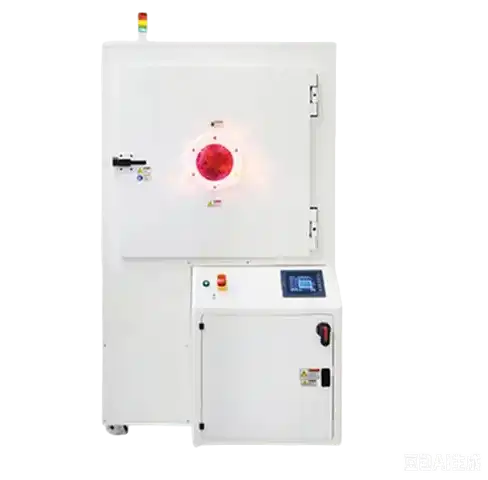
A plasma cleaner is a surface treatment machine that uses plasma energy to remove microscopic contamination, activate material surfaces, and improve adhesion performance. It is widely used before bonding, coating, printing, soldering, encapsulation, and semiconductor packaging processes.
Unlike traditional wet cleaning, plasma cleaning can treat complex surfaces without leaving liquid chemical residues. It is suitable for wafers, PCB boards, MEMS devices, optical parts, medical components, ceramics, glass, polymers, metals, and precision electronic parts.
For manufacturers, the real value of a plasma cleaning machine is not only cleaning. It helps improve process stability, reduce bonding failures, enhance surface energy, and increase production reliability.
Helps remove organic residues, oils, particles, and process contamination from sensitive surfaces.
Enhances surface wettability and prepares the material for bonding, coating, or printing.
Used in semiconductor, PCB, medical, optical, and precision manufacturing applications.
Explore our available plasma cleaner equipment for semiconductor, PCB, MEMS, electronic assembly, and industrial surface treatment applications.
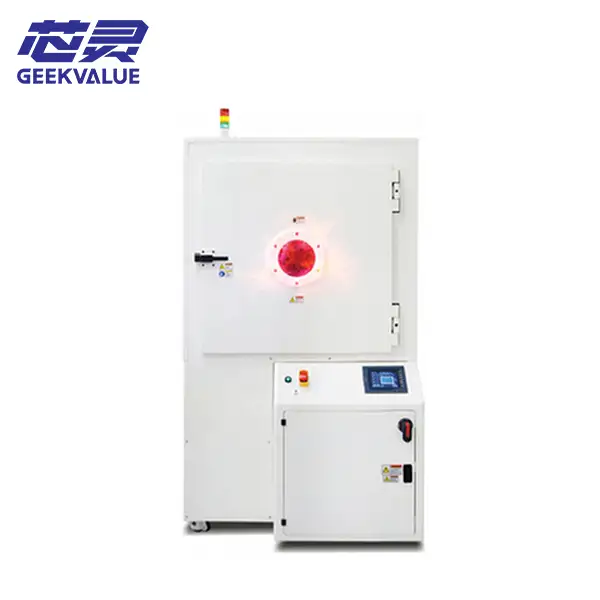
The Nordson MARCH AP-600 is a classic benchtop vacuum plasma treatment system
Check Stock & Quote
The Nordson MARCH AP-300 is fundamentally positioned as a compact, high-precision, research-grade benchtop plasma proces...
Check Stock & Quote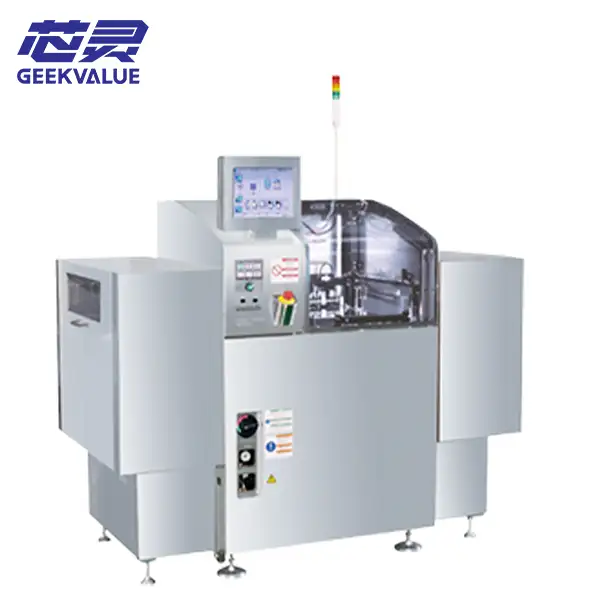
The Panasonic PSX307 is an automated, inline substrate and wafer plasma cleaning machine designed specifically to meet t...
Check Stock & Quote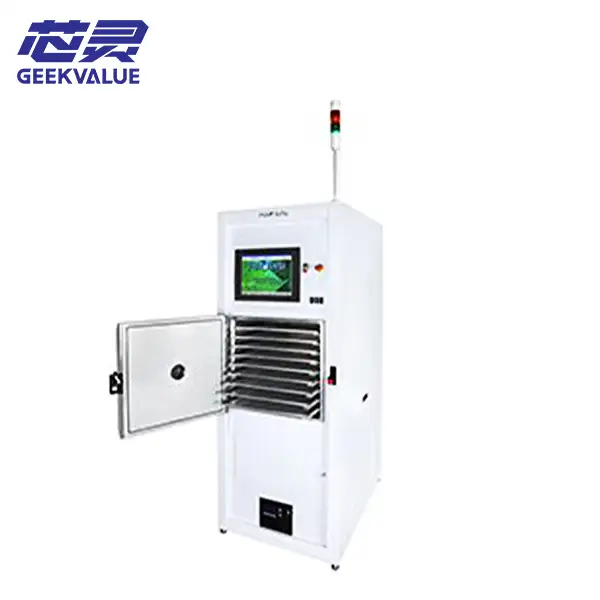
The PVA TePla IoN 200 is a powerful and flexible plasma treatment device
Check Stock & QuoteCustomers searching for a plasma cleaner usually need to solve surface-related process problems. Plasma treatment helps improve surface condition before the next production step.
Surface contamination can reduce adhesive, wire bonding, die bonding, and coating performance.
Plasma cleaning helps remove oils, fingerprints, release agents, and microscopic organic contamination.
Surface activation increases surface energy and improves liquid spreading, coating, and adhesion.
Better surface preparation helps reduce coating peeling, delamination, and long-term reliability issues.
Plasma treatment can improve solderability and reduce failures caused by surface contamination.
Prepare semiconductor wafers and substrates for packaging, bonding, and advanced assembly processes.
Plasma cleaning uses energized gas molecules, ions, and radicals to react with surface contamination and activate the treated material.
Wafers, PCB assemblies, substrates, or precision parts are placed inside the plasma chamber or inline treatment area.
RF or microwave energy ionizes process gases such as oxygen, argon, nitrogen, or mixed gases.
Reactive species break down organic contaminants and remove residues from the material surface.
The treated surface becomes cleaner, higher energy, and ready for bonding, coating, printing, or packaging.
Plasma cleaners are used in many precision industries where surface cleanliness, adhesion, and process consistency are critical.
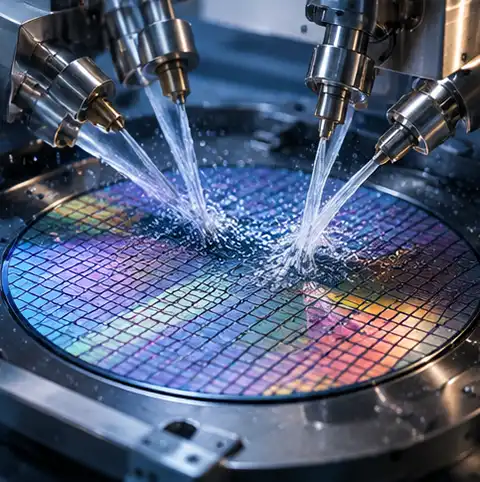
Used before die bonding, wire bonding, flip chip bonding, coating, and advanced packaging to remove contamination and improve bonding reliability.
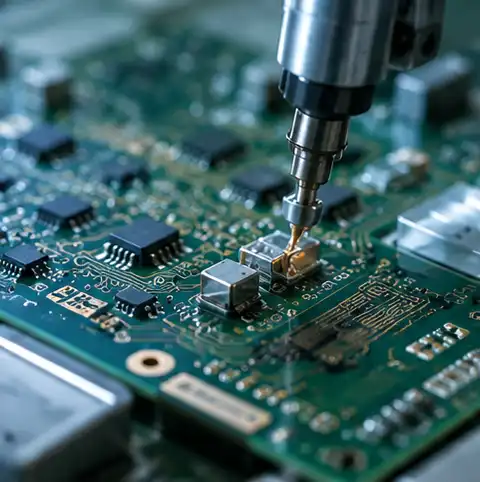
Improves solderability, coating adhesion, conformal coating quality, and reliability of electronic assemblies.
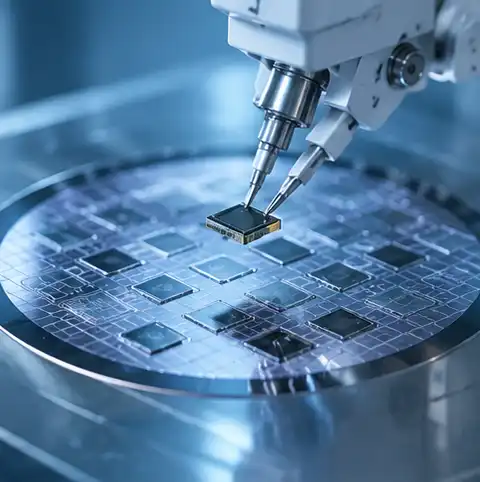
Suitable for micro-scale devices that require clean surfaces, precise treatment, and low-residue processing.
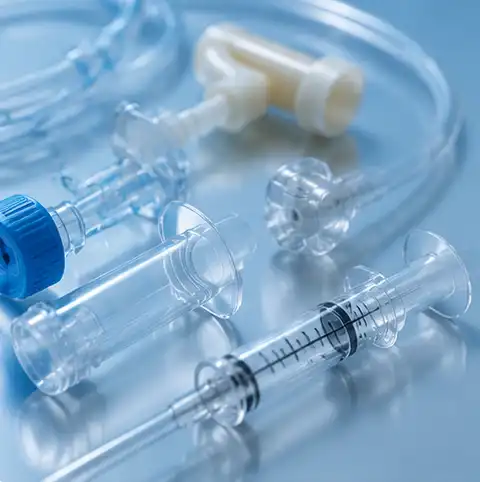
Used to improve surface cleanliness and bonding performance for medical plastics, tubes, sensors, and precision parts.
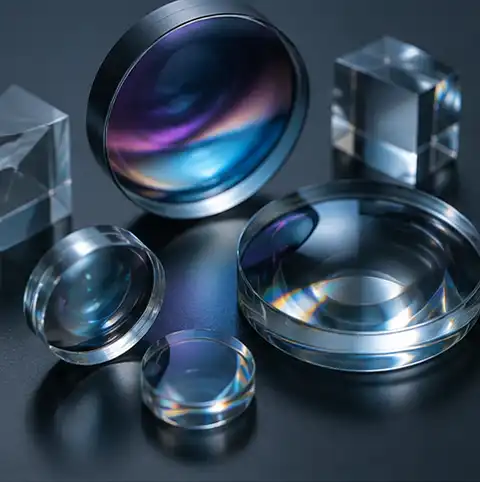
Prepares glass, lenses, coatings, and optical substrates without aggressive wet chemical treatment.
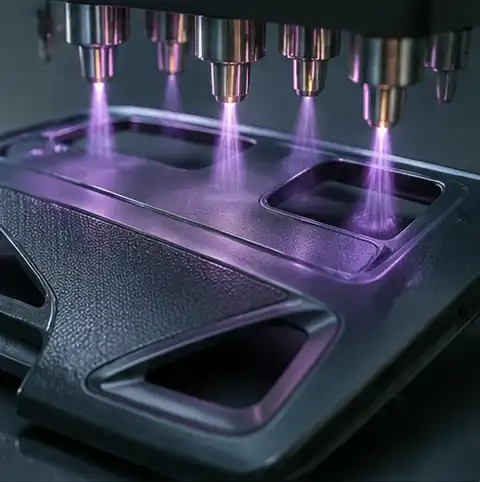
Improves printing, coating, bonding, and adhesive performance on low-surface-energy materials.
Plasma treatment helps transform difficult surfaces into cleaner and more bondable surfaces for stable production.
Choosing a plasma cleaning machine should not only depend on price. The right model depends on your material, process goal, production volume, chamber size, gas type, and required treatment effect.
If you are not sure which plasma cleaner is suitable, send us your substrate type, part size, production process, and target treatment result. We can help you check suitable machine options.
Check Stock & QuoteDifferent materials such as silicon, glass, ceramic, PCB, metal, and polymer require different treatment settings.
Cleaning, activation, etching, bonding preparation, coating preparation, and residue removal may require different plasma systems.
Select a chamber size based on your wafer size, PCB size, batch quantity, and component dimensions.
Common gases include O2, Ar, N2, CF4, and mixed process gases depending on contamination and surface requirements.
Vacuum plasma is often used for uniform batch processing, while atmospheric plasma is suitable for inline treatment.
Batch machines, desktop systems, and inline systems should be selected according to throughput requirements.
We help customers source suitable plasma cleaning equipment for semiconductor, electronics, and precision manufacturing applications.
Flexible equipment supply including available machines, pre-owned systems, and refurbished options according to your budget.
Support for wafer processing, bonding, packaging, inspection, and electronic assembly equipment requirements.
Send your target application or required model, and we help check suitable equipment availability quickly.
Machines can be checked before shipment to help reduce purchasing risk and improve confidence.
Support for international shipping, packing, and export documentation for equipment buyers.
Related semiconductor equipment can also be sourced together for production line support.
Build stronger internal links and help customers find complete semiconductor equipment solutions.
A plasma cleaner is a surface treatment machine that uses plasma energy to remove contamination, activate surfaces, and improve adhesion before bonding, coating, printing, soldering, or packaging.
Plasma cleaning is used for semiconductor wafers, PCB assemblies, MEMS devices, optical components, medical parts, plastics, ceramics, glass, and precision electronic components.
A plasma cleaner uses RF or microwave energy to ionize process gas. The generated plasma reacts with contaminants on the surface and helps improve surface energy.
Yes. Plasma treatment can improve bonding strength by removing contamination and increasing surface energy, which helps adhesives, coatings, and bonding materials attach more reliably.
Common gases include oxygen, argon, nitrogen, CF4, and mixed gases. The best gas depends on the material, contamination type, and treatment goal.
Vacuum plasma is usually used for controlled batch treatment with good uniformity. Atmospheric plasma is often used for inline or localized surface treatment without a vacuum chamber.
Yes. Plasma cleaning is widely used in semiconductor packaging and wafer processing, especially before bonding, coating, inspection, and assembly processes.
You should consider material type, chamber size, gas type, vacuum level, treatment purpose, production volume, and whether you need batch or inline processing.
The cost depends on machine type, chamber size, automation level, vacuum system, process capability, brand, and whether the machine is new, refurbished, or pre-owned.
Tell us your substrate, contamination type, required treatment effect, production capacity, and preferred machine condition. We will help you check suitable plasma cleaner options.
Why do so many people choose to work with GeekValue?
Our brand is spreading from city to city, and countless people have asked me, "What is GeekValue?" It stems from a simple vision: to empower Chinese innovation with cutting-edge technology. This is a brand spirit of continuous improvement, hidden in our relentless pursuit of detail and the delight of exceeding expectations with every delivery. This almost obsessive craftsmanship and dedication is not only the persistence of our founders, but also the essence and warmth of our brand. We hope you will start here and give us an opportunity to create perfection. Let us work together to create the next "zero defect" miracle.
DetailsContact a sales expert
Reach out to our sales team to explore customized solutions that perfectly meet your business needs and address any questions you may have.

© All Rights Reserved. Technical Support:TiaoQingCMS
 EN
EN id
id sk
sk sr
sr sv
sv it
it pt
pt bn
bn ms
ms be
be nl
nl fr
fr th
th vi
vi ru
ru ja
ja ko
ko de
de hy
hy az
az bs
bs bg
bg my
my cs
cs da
da dv
dv el
el et
et fil
fil fi
fi ga
ga gl
gl gn
gn he
he hi
hi km
km hr
hr hu
hu is
is kn
kn rw
rw lo
lo lv
lv lt
lt lb
lb lg
lg mi
mi mt
mt ne
ne no
no ny
ny or
or om
om per
per pl
pl ro
ro sa
sa so
so es
es sw
sw ta
ta tr
tr uk
uk ur
ur cy
cy xh
xh