ave up to 70% on SMT Parts – In Stock & Ready to Ship
Get Quote →High-precision flip chip bonding solutions for die-to-substrate assembly, fine-pitch alignment, thermo-compression bonding, SiP, chiplet integration, MEMS devices, sensors, and advanced semiconductor packaging production.
Vision-assisted die placement for fine-pitch bonding.
A flip chip bonder is semiconductor packaging equipment used to place and bond a die face-down onto a substrate, interposer, package, or carrier. It is commonly used for flip chip packaging, fine-pitch assembly, chiplet integration, SiP modules, MEMS devices, sensors, and advanced semiconductor packaging.
Compared with traditional die attach equipment, flip chip bonding requires higher placement accuracy, vision alignment, bonding force control, and thermal process stability because the electrical connection is made through bumps, pads, or interconnects on the active side of the die.
Flip chip bonding requires accurate die placement, stable bonding force, reliable thermal control, and repeatable process performance. The right flip chip bonder helps improve assembly yield, reduce bonding defects, and support advanced packaging requirements.
For fine-pitch bumps, micro bumps, chiplets, and high-density interconnects.
Helps reduce die damage, poor contact, and process variation.
Important for thermo-compression bonding and solder bump bonding.
Supports SiP, chiplet, MEMS, sensors, and advanced semiconductor packages.
Different flip chip applications need different bonding configurations. We help match equipment based on bonding method, die size, substrate type, placement accuracy, temperature range, pressure control, and production capacity.
Discuss Your Bonding ProcessFor applications requiring accurate force, heat, time, and alignment control.
For flip chip assembly using solder bumps or micro bump interconnects.
For MEMS, sensor devices, modules, and special substrate assembly.
For chiplet, high-density package, and advanced interconnect applications.
This area is reserved for your product category or recommended product calling. Replace the sample product cards with your CMS product loop.
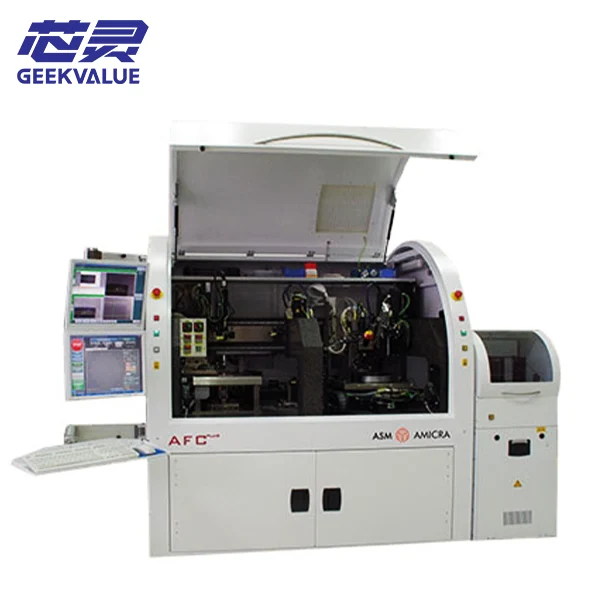
Explore used ASMPT AMICRA AFC Plus die and flip chip bonders. Review availability, machine condition, installed configur...
Check Stock & Quote
Match an ASMPT AMICRA AFC Plus to your die bonding project by reviewing the bonding process, installed modules, tooling,...
Check Stock & Quote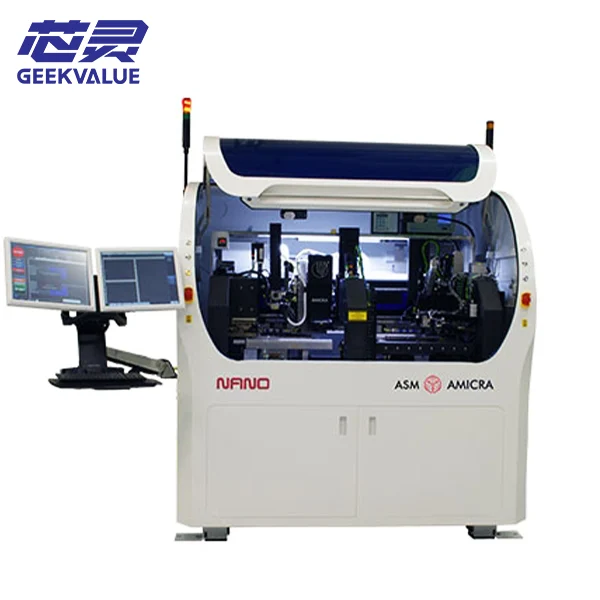
Explore the ASM AMICRA AFC PLUS die and flip chip bonder, including available configuration, placement accuracy, bonding...
Check Stock & Quote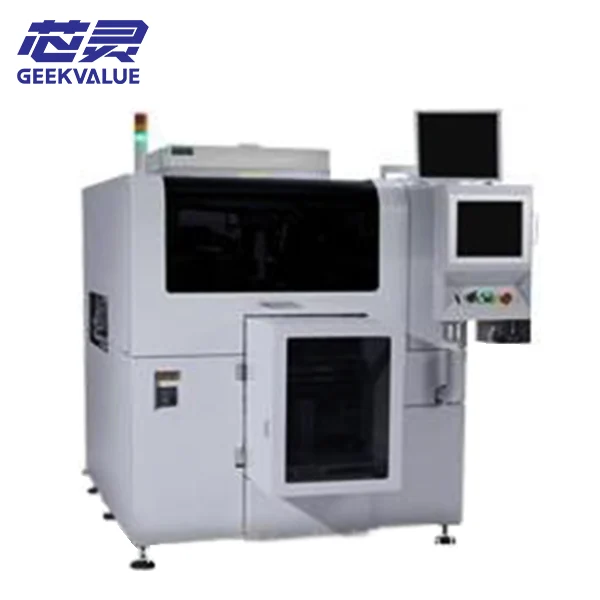
The Shibaura Mechtronics TFC-9000 is a mass-production flip-chip bonding machine designed for advanced packaging process...
Check Stock & Quote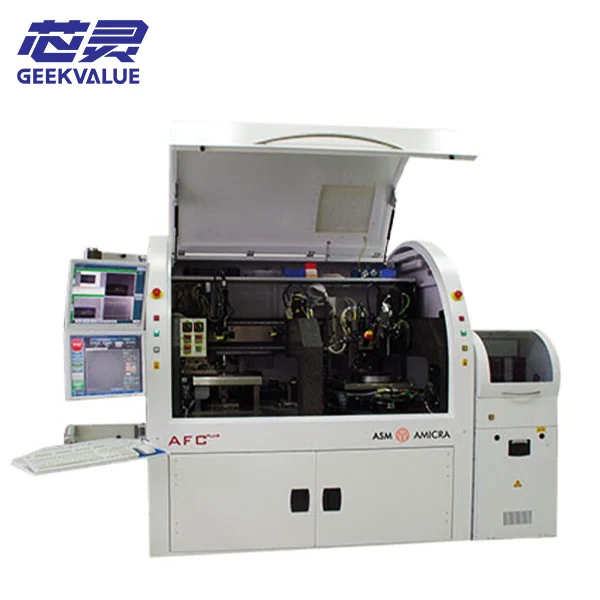
The ASM AFC Plus is a technologically mature, ultra-high-precision flip chip bonder. In fact, it is a flexible dual-purp...
Check Stock & Quote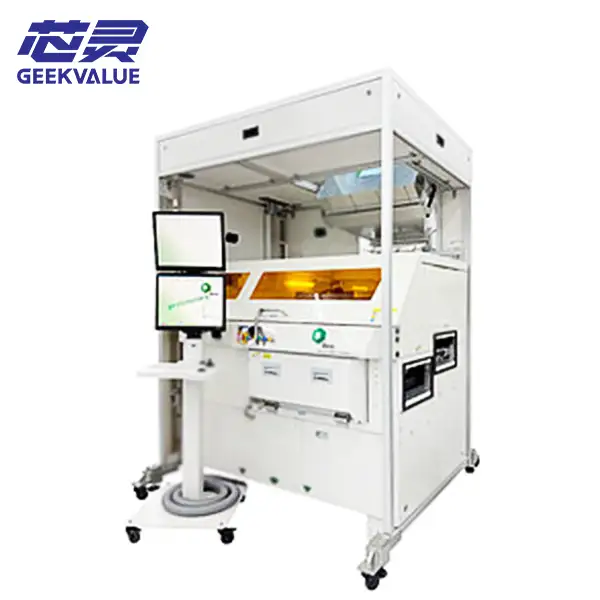
The Besi Datacon 8800 CHAMEO ultra plus AC is the undisputed leader in the global hybrid bonding market.
Check Stock & Quote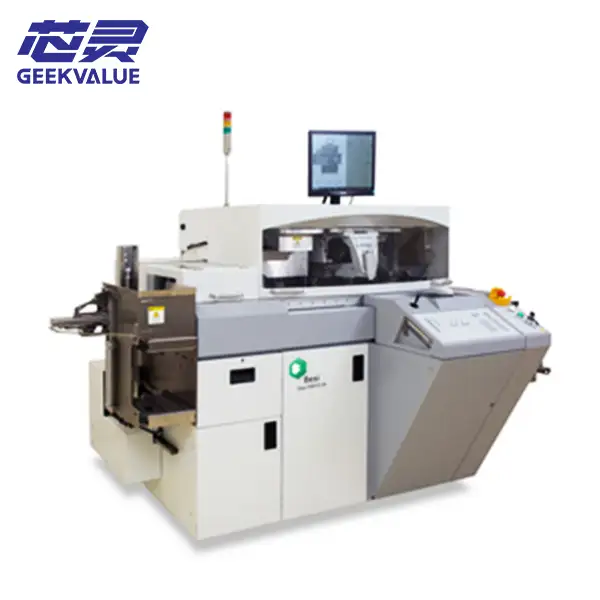
The BESI Esec 2100 FC hS is a mature machine designed for high-speed, high-volume flip-chip bonding production
Check Stock & Quote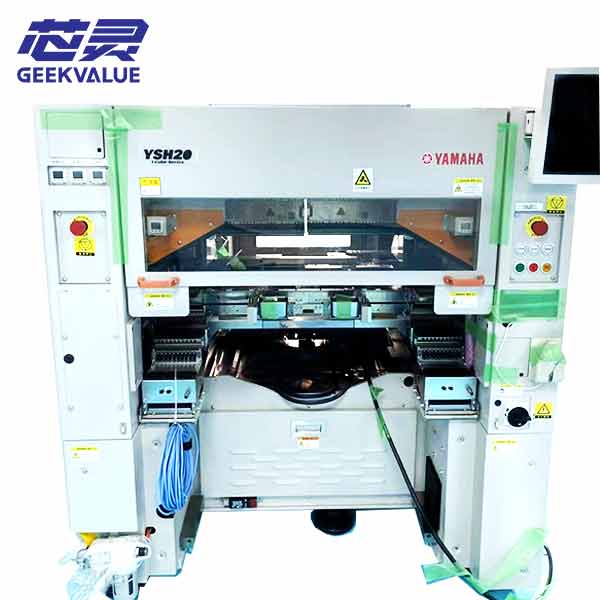
The Yamaha YSH20 flip chip mounter is a high-speed, high-precision mounter suitable for mounting a variety of components...
Check Stock & Quote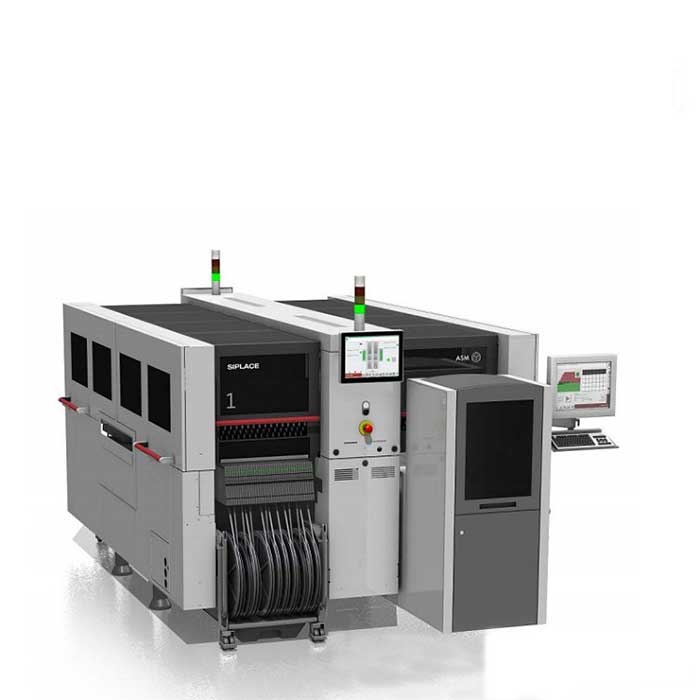
Direct chip placement from the wafer on standard surface mount equipment, combining the speed of surface mount machines ...
Check Stock & Quote
Katalyst™ is an industry-leading Flip Chip equipment launched by Kulicke & Soffa (K&S), mainly used for flip chi...
Check Stock & QuoteFlip chip bonder configuration should be selected according to bonding process, die size, substrate size, alignment accuracy, bonding force, thermal requirement, vision system, and production capacity.
Flip chip bonder price depends on brand, platform, placement accuracy, bonding method, automation level, vision system, thermal module, software configuration, equipment condition, and current availability.
Fine-pitch and micro bump bonding usually require higher precision platforms.
Thermo-compression bonding, solder bump bonding, and adhesive bonding require different modules.
Manual, semi-automatic, and automatic systems have different capacity and cost levels.
Used and refurbished flip chip bonders can reduce investment compared with new systems.
Supports die-to-substrate alignment and fine-pitch placement accuracy.
Important for die protection, interconnect quality, and repeatable bonding results.
Required for thermo-compression bonding, solder bump processes, and thermal stability.
Supports different substrates, interposers, packages, carriers, and module formats.
Choose manual, semi-automatic, or automatic systems based on production demand.
Used and refurbished systems should be checked for configuration, motion, optics, and control status.
A flip chip bonder and a die bonder are both used in semiconductor assembly, but they serve different bonding structures and packaging requirements.
| Item | Flip Chip Bonder | Die Bonder |
|---|---|---|
| Bonding Direction | Die is bonded face-down | Die is usually placed face-up or attached to leadframe/substrate |
| Connection Method | Bumps, pads, micro bumps, interconnects | Adhesive, epoxy, solder, or eutectic attach |
| Accuracy Requirement | Higher alignment accuracy | Depends on package and die attach process |
| Main Applications | Flip chip, SiP, chiplet, 2.5D/3D packaging | Standard IC packaging, LED, sensors, modules |
| Process Control | Requires force, thermal, vision, and placement control | Focuses on die placement and attach material control |
Flip chip bonders are used where high-density interconnects, compact packages, precise alignment, and advanced assembly performance are required.
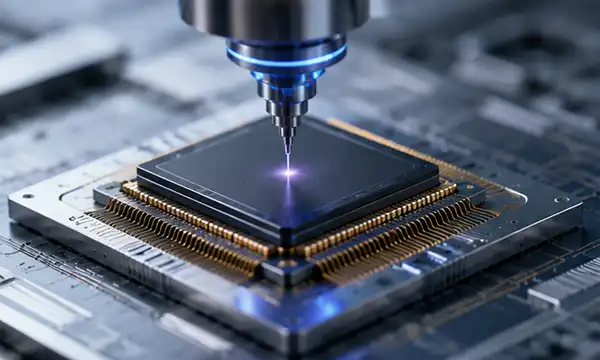
For chip-to-substrate bonding and high-density package assembly.
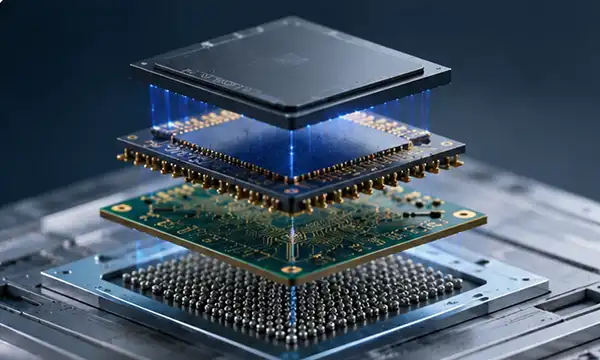
For multi-die integration, heterogeneous packaging, and chiplet assembly.
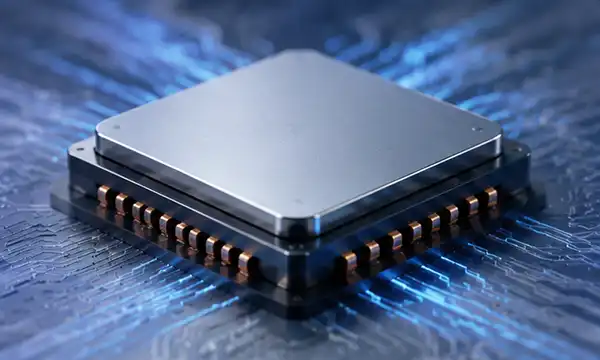
For compact modules, system-in-package, and high-performance devices.
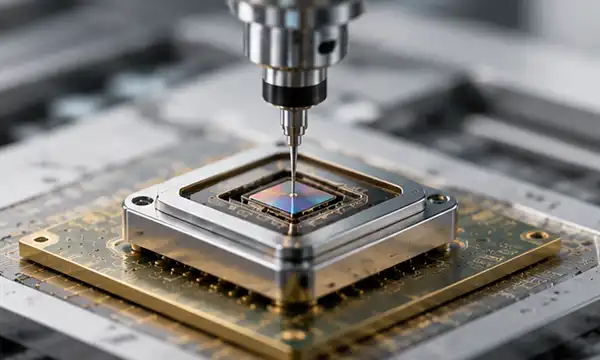
For delicate devices requiring stable placement and bonding control.
For R&D lines, pilot production, capacity expansion, or budget-sensitive projects, used and refurbished flip chip bonders can provide practical bonding capability with shorter lead time and lower equipment cost.
Before buying a used or refurbished flip chip bonder, check the key components that directly affect alignment accuracy, bonding stability, and long-term usability.
We help customers source suitable flip chip bonders based on die size, package type, alignment requirement, bonding process, production capacity, equipment condition, budget, and delivery timeline.
Confirm die, substrate, package type, bonding process, and accuracy requirement.
Recommend suitable platforms based on process and budget.
Confirm machine configuration and basic equipment readiness before shipment.
Support export packaging, logistics coordination, and international shipment.
A flip chip bonder is semiconductor packaging equipment used to place and bond a die face-down onto a substrate, interposer, or package using precise alignment, force, and temperature control.
It is used for flip chip packaging, chip-to-substrate bonding, advanced packaging, SiP, chiplet integration, MEMS devices, sensors, and high-density semiconductor assembly.
A die bonder places a die onto a substrate or leadframe, while a flip chip bonder bonds the die face-down with precise alignment to bumps, pads, or interconnects.
Yes. Used and refurbished flip chip bonders are suitable for customers who need reliable bonding capability with lower investment.
You should consider placement accuracy, bonding method, die size, substrate size, bonding force, temperature control, throughput, equipment condition, budget, and available support.
Tell us your die size, substrate type, bonding method, accuracy requirement, preferred brand, budget, and delivery time. We will help recommend suitable flip chip bonder options.
Why do so many people choose to work with GeekValue?
Our brand is spreading from city to city, and countless people have asked me, "What is GeekValue?" It stems from a simple vision: to empower Chinese innovation with cutting-edge technology. This is a brand spirit of continuous improvement, hidden in our relentless pursuit of detail and the delight of exceeding expectations with every delivery. This almost obsessive craftsmanship and dedication is not only the persistence of our founders, but also the essence and warmth of our brand. We hope you will start here and give us an opportunity to create perfection. Let us work together to create the next "zero defect" miracle.
DetailsContact a sales expert
Reach out to our sales team to explore customized solutions that perfectly meet your business needs and address any questions you may have.

© All Rights Reserved. Technical Support:TiaoQingCMS