ave up to 70% on SMT Parts – In Stock & Ready to Ship
Get Quote →A used BESI DATACON 2200 evo should be evaluated as a complete production system rather than as a machine nameplate. The condition of the mechanical platform, bond heads, vision system, wafer handling, software environment, tooling package and calibration history can materially affect installation readiness and process qualification.
This guide outlines how to review a DATACON 2200 evo before purchase, refurbishment, shipment and production ramp-up. It is designed for engineering and procurement teams evaluating used or refurbished die bonding equipment.
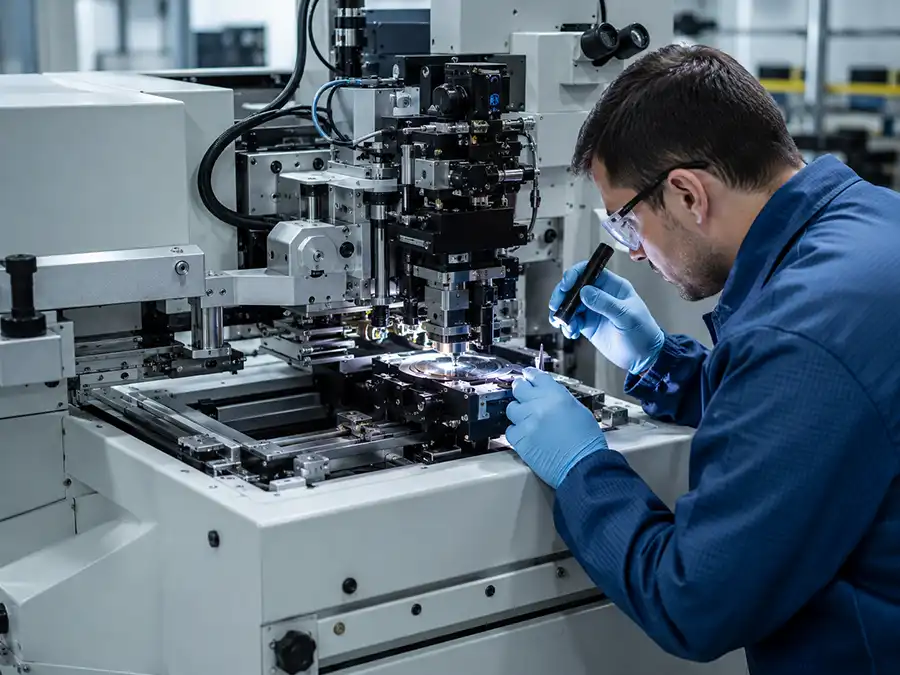
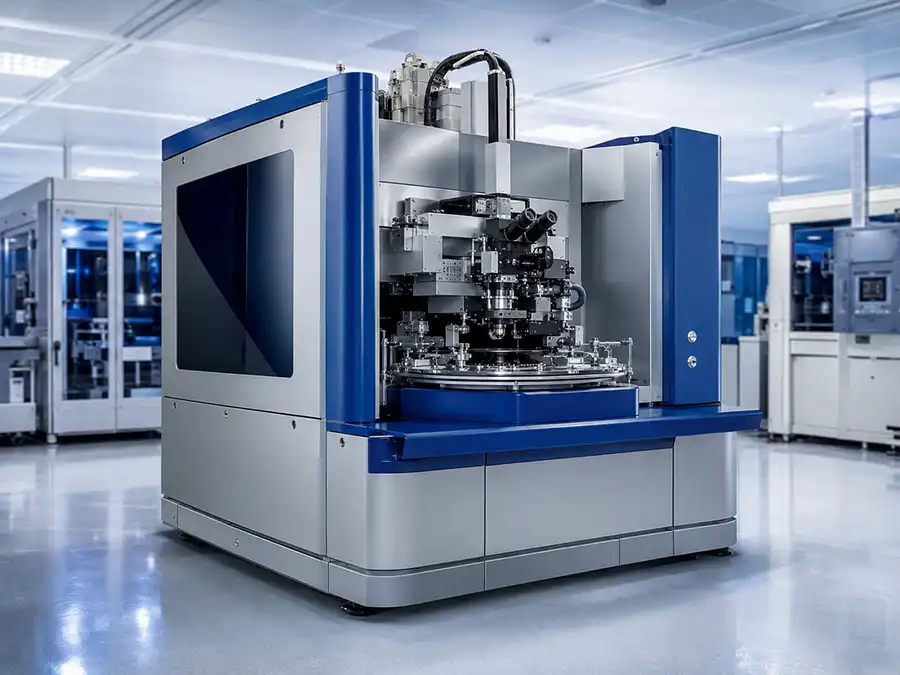
A DATACON 2200 evo may look clean and complete while still requiring work on motion systems, bond heads, camera alignment, tool offsets, wafer handling, controller hardware, software recovery or process-specific accessories.
For used die bonding equipment, the real objective is not simply to power on the machine. It is to confirm that the offered configuration can be restored, verified and qualified for the intended package route under defined production conditions.
Mechanical condition, vision repeatability, tool availability, calibration evidence and a documented acceptance-test scope are more valuable than a general statement that the machine is “working.”
A useful refurbishment plan should define the functional areas being inspected, repaired, calibrated or replaced. Scope should be documented against the actual machine configuration rather than copied from a generic die bonder checklist.
Base evo, evo plus, hF, hS and advanced configurations can use different process modules, force systems, vision packages and handling options.
Inspect the frame, covers, axes, bearings, drive components, cable routing, lubrication condition, fasteners, safety interlocks and access panels.
Verify stage travel, homing, encoder response, repeatability, vibration behaviour, gantry alignment and the condition of precision motion components.
Review bond heads, force systems, rotation capability, heated tooling, nozzles, eject tools, pick-and-place tools, fixtures and tool-change modules.
Check camera condition, optics, illumination, focus, image processing, alignment response, calibration artifacts and any process-inspection modules.
Review the controller, industrial PC, motion cards, I/O, software environment, recovery media, enabled options, communication hardware and backups.
The sequence below separates a practical engineering inspection from a basic visual assessment. Each stage should be documented against the serial-number configuration and installed process modules.
Configuration mismatch is one of the biggest risks in used semiconductor equipment purchasing.
Verify whether the machine is a DATACON 2200 evo, evo plus, hF, hS or advanced configuration, including production generation and serial-number records.
Check frame condition, covers, stage travel, motion rails, bearings, cable chains, access doors, safety hardware and evidence of abnormal wear.
Confirm installed bond heads, force range, heating capability, rotation, tool holder condition, axis movement, tool offsets and available calibration tools.
Review cameras, optics, illumination, focus, image quality, alignment repeatability, camera calibration and any post-placement inspection hardware.
Confirm wafer, tray, Gel-Pak®, feeder, carrier, substrate, leadframe or fixture handling modules required by the intended process route.
Check controller hardware, PC condition, motion cards, I/O, application software, option status, alarms, backup files and recovery media.
Agree on material samples, test sequence, output expectations, placement criteria, visual checks, documentation requirements and shipment release conditions.
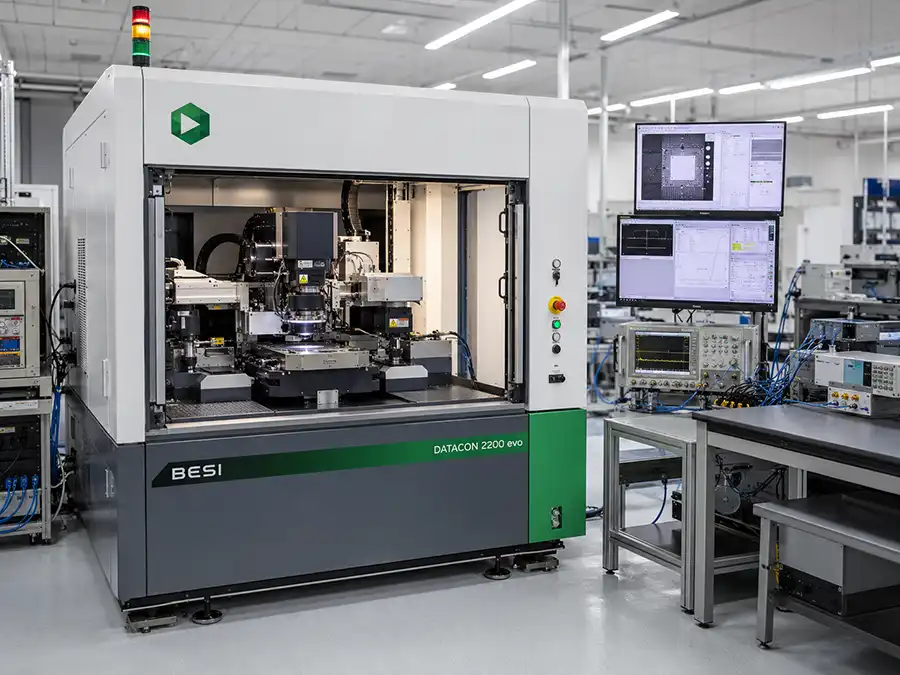
Even when the core DATACON platform is in good condition, missing tooling or unsupported process modules can delay qualification. The production route should be reviewed before shipment, not after installation.
A factory acceptance test should verify the offered machine against an agreed inspection scope. It should not rely only on a video of the machine powering on or moving through an unloaded cycle.
Acceptance criteria should reflect the planned package, material route, available tooling and expected production workflow.
| Power-On and Safety Verification | Check main power, emergency stops, safety doors, interlocks, alarms, utility connections, cabinet condition and machine initialization sequence. |
|---|---|
| Axis Homing and Motion Check | Verify homing, axis travel, movement smoothness, repeatability, abnormal vibration, cable routing and motion response under a defined test routine. |
| Bond Head and Tool Check | Verify installed bond head movement, tool holder condition, pick-and-place tools, eject tools, nozzle mounting, force-control response and tool-change operation where applicable. |
| Vision and Alignment Test | Check camera image quality, illumination, autofocus where installed, alignment functions, calibration status, image processing and repeatability with representative targets. |
| Wafer and Substrate Handling | Verify wafer, tray, carrier, feeder, leadframe, substrate or fixture modules that are included with the offered machine and needed for the planned process. |
| Material and Placement Test | When sample materials and tooling are available, confirm pick-up, alignment, placement, process sequence and basic output behaviour against agreed acceptance conditions. |
| Software Backup and Recovery | Confirm operating software, machine data, enabled options, backups, recovery media, documentation and available access required for future service work. |
| Configuration and Accessory List | Document installed modules, tools, fixtures, nozzles, feeders, process hardware, spare parts, manuals and any excluded equipment before shipment. |
A successful used-equipment project requires planning beyond the machine itself. Installation, utilities, process materials, tooling, documentation and support responsibilities should be clarified before delivery.
Undefined utilities, missing tools or incomplete acceptance criteria can turn a working machine into a delayed production project.
Confirm footprint, floor loading, electrical supply, compressed air, vacuum, exhaust, network access, environmental conditions and cleanroom requirements where relevant.
Prepare dies, wafers, substrates, materials, nozzles, fixtures, calibration references, process consumables and any package-specific tooling required for qualification.
Clarify software backups, key spare parts, available manuals, service ownership, training needs, calibration responsibility and post-installation troubleshooting support.
A refurbished DATACON 2200 evo can be a practical option when the machine identity, process modules, condition and acceptance scope align with the intended die attach or multi-chip production route.
A machine should not be approved solely because it powers on or carries the correct DATACON nameplate. Missing configuration details or unverified process-critical systems can create costly qualification delays.
These questions focus on used equipment inspection, calibration, functional testing and qualification planning rather than general DATACON 2200 evo platform selection.
Start by confirming the exact machine version, serial-number configuration, installed process modules, available tooling, controller condition, vision system, handling setup and any documented maintenance or calibration history.
No. Cosmetic cleaning does not confirm production readiness. A useful refurbishment scope should address mechanical condition, motion systems, bond heads, tooling, vision calibration, controller recovery, safety functions and functional verification.
Review bond head movement, force-control capability, tool holder condition, rotation or heating options where installed, axis response, available tools, nozzle condition and calibration evidence relevant to the intended process.
Vision systems affect die recognition, alignment, placement verification and process repeatability. Cameras, optics, illumination, image processing, calibration references and alignment performance should be checked before qualification.
A useful FAT can include power-on and safety checks, axis homing, bond head movement, camera and alignment verification, handling-module checks, tooling review, controller backup confirmation and a representative placement or process test when materials are available.
It may be possible, but qualification depends on whether compatible nozzles, fixtures, eject tools, substrates, wafer handling and process-specific accessories can be sourced or developed for the required package route.
Request information about controller hardware, industrial PC condition, operating software, enabled options, backup files, recovery media, machine data, alarms, documentation and access needed for future service or restoration.
Provide machine photos, serial information, known configuration, package drawing, die size, material route, wafer or substrate format, target output, available tooling and the intended installation location.
Share available machine photos, serial details, current configuration, requested process route and expected production conditions. This makes it possible to define a more useful inspection, FAT and refurbishment scope before purchase or shipment.
Why do so many people choose to work with GeekValue?
Our brand is spreading from city to city, and countless people have asked me, "What is GeekValue?" It stems from a simple vision: to empower Chinese innovation with cutting-edge technology. This is a brand spirit of continuous improvement, hidden in our relentless pursuit of detail and the delight of exceeding expectations with every delivery. This almost obsessive craftsmanship and dedication is not only the persistence of our founders, but also the essence and warmth of our brand. We hope you will start here and give us an opportunity to create perfection. Let us work together to create the next "zero defect" miracle.
DetailsContact a sales expert
Reach out to our sales team to explore customized solutions that perfectly meet your business needs and address any questions you may have.

© All Rights Reserved. Technical Support:TiaoQingCMS