ave up to 70% on SMT Parts – In Stock & Ready to Ship
Get Quote →BESI flip chip bonder platforms are used for semiconductor assembly workflows that require accurate die placement, controlled material handling, vision alignment and repeatable production performance. Depending on the DATACON or Esec configuration, a BESI flip chip machine may be evaluated for mass-reflow flip chip, multi-chip assembly, wafer-level packaging and selected high-volume chip-to-substrate applications.
The right flip chip bonder depends on the process route, die size, wafer and substrate format, flux or material-preparation method, placement tolerance, inspection requirement, target throughput and the actual configuration of the offered machine.
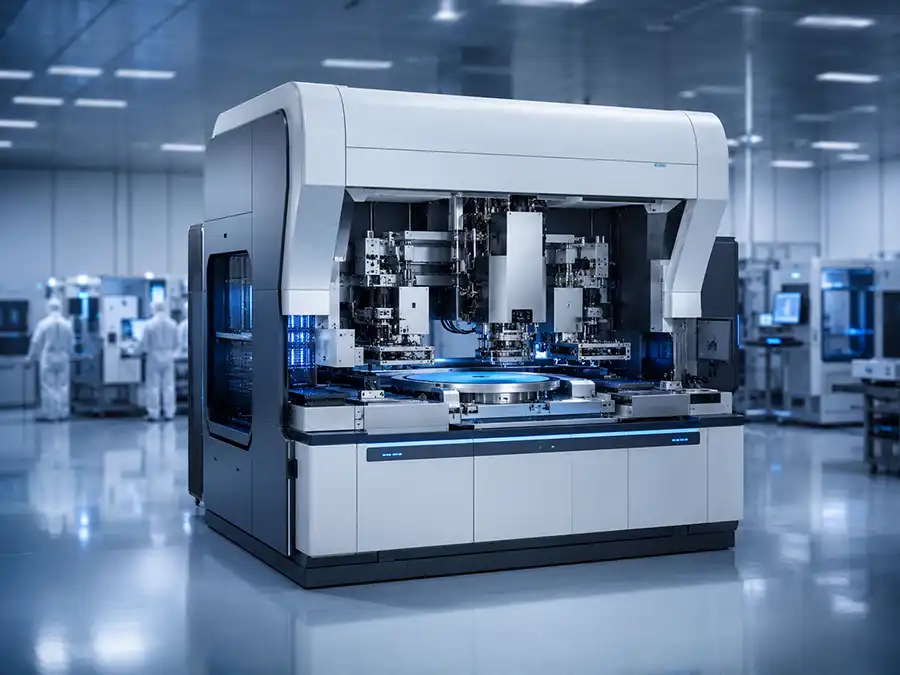
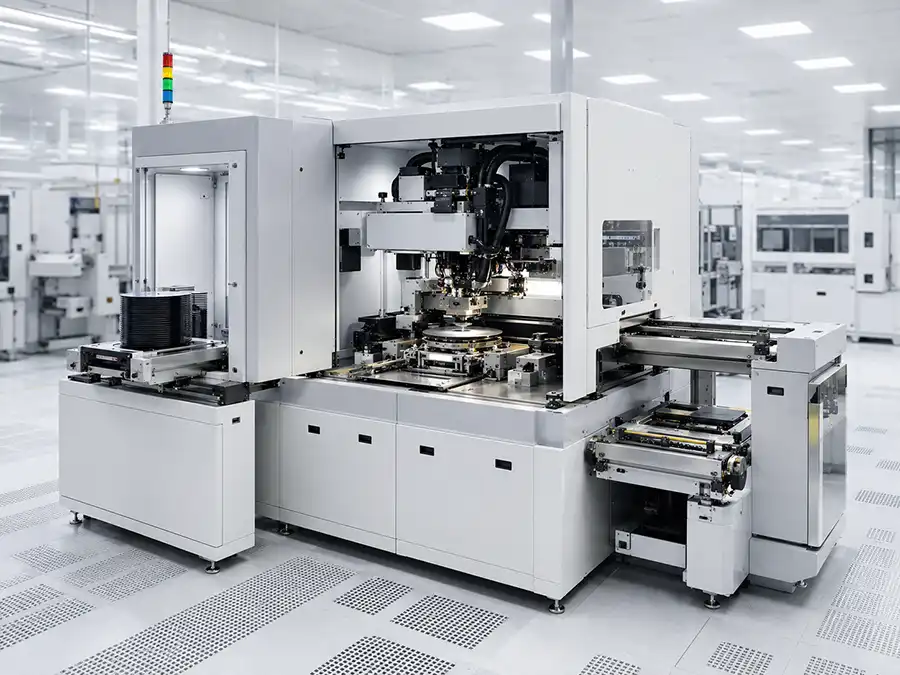
A BESI flip chip bonder is a semiconductor assembly platform that places flipped dies onto substrates, carriers, strips or other package formats with controlled alignment and process handling. In practical production, the machine must be evaluated as a complete system rather than as a simple placement tool.
A DATACON flip chip bonder may include different combinations of pick-and-place heads, flipping tools, vision cameras, flux dipping or fluxing modules, wafer handling, substrate handling, post-bond inspection and recovery functions. These installed modules determine whether the offered machine can support a specific package route.
A platform that can place a die is not automatically qualified for a specific flip chip process. The important question is whether the offered configuration can complete the intended package route consistently at the required output and yield level.
BESI flip chip systems span different process directions. The table below provides a structured way to compare platform families before assessing a specific used or refurbished unit.
Platform family, installed options, process hardware, tooling and machine condition all influence the practical suitability of a proposed system.
| Platform | Typical Evaluation Direction | Process Questions to Confirm | Used Equipment Review Focus |
|---|---|---|---|
| DATACON 8800 FC QUANTUM hSHigh-speed mass-reflow flip chip platform. | High-Volume Flip Chip ProductionReview die size, wafer format, substrate handling, target throughput, post-bond inspection and recovery requirements. | High-Speed Process ControlConfirm multi-nozzle setup, vision system, flux-film process, inspection functions, nozzle condition and substrate flow. | Cycle and Yield ValidationReview motion condition, camera performance, installed tools, calibration status and functional test results with representative materials. |
| DATACON 8800 FC QUANTUM advancedMass-reflow flip chip production platform. | Controlled Chip-to-Substrate AssemblyReview die size, bond-force range, fluxing route, camera configuration, placement requirement and target production profile. | Process and Yield ControlConfirm the CRYSTAL fluxer arrangement, post-bond inspection functions, material flow, substrate carrier format and automation options. | Configuration and Software ReviewConfirm installed option status, calibration data, vision setup, controller condition, available tools and refurbishment scope. |
| DATACON 8800 FC QUANTUM advXBroad mass-reflow chip-to-substrate application range. | Flexible Flip Chip ProductionReview chip-size range, substrate dimensions, production volume, flux dipping arrangement, automation package and yield-control requirements. | Speed and Accuracy BalanceConfirm dual-gantry hardware, vision configuration, dipping capability, handling modules and process compatibility with the intended package. | Installed Module VerificationConfirm which vision modules, carrier tools, nozzles, feeders, fixtures and application accessories are included with the offered unit. |
| DATACON 8800 CHAMEO advancedMulti-chip flip chip and fan-out workflow platform. | Multi-Chip and FO-WLP EvaluationReview face-up or face-down package route, carrier handling, die sequence, package geometry, warpage sensitivity and inspection strategy. | Package-Specific Process FitConfirm carrier format, handling path, vision package, tooling, material presentation and suitability for the intended wafer-level workflow. | Application Match ReviewVerify that the offered CHAMEO configuration was designed for a comparable process route rather than assuming all units are interchangeable. |
| Esec 2100 FC hSHigh-speed flip chip platform for a broad FC application range. | High-Volume FC Package ProductionReview package type, die dimensions, leadframe or substrate route, throughput expectation, line interface and production-yield requirement. | Application and Integration FitConfirm equipment configuration, material flow, process tooling, available inspection, handling modules and compatibility with the existing backend line. | Support and Spare-Part ReadinessCheck controller generation, vision condition, feeder setup, available documentation, support pathway and condition of process-critical components. |
A flip chip mounter is often used as a broad search term for equipment that places bumped dies onto substrates or carriers. In production engineering, a flip chip bonder should be reviewed as a full process platform that controls die pickup, orientation, fluxing or dipping, alignment, placement, inspection, recovery handling and downstream integration.
For this reason, a BESI flip chip mounter or DATACON machine should not be selected only on published placement accuracy or nominal output. The intended package route and the actual installed configuration must be reviewed first.
The key question is not simply whether a machine can mount a die. It is whether the tool, material preparation, vision process and handling sequence can produce the required package reliably under real production conditions.
Different flip chip workflows require different material routes, handling systems, alignment strategies and inspection levels. These process groups help define the correct equipment review before evaluating a specific platform.
Each application must be verified against the exact system configuration, process tooling, material flow and qualification result.
Review die size, bump structure, wafer frame, substrate or strip format, flux dipping, cavity plate, placement tolerance, post-bond inspection and target UPH.
Review die sequence, multiple pick-and-place tools, carrier format, face-up or face-down orientation, package geometry, warpage sensitivity and inspection strategy.
Review carrier handling, wafer-level material flow, face-up or face-down process mode, package format, cleanroom needs, tooling and metrology requirements.
Review automation level, changeover frequency, wafer and substrate flow, material preparation, inspection cycle, recovery handling and line-integration requirements.
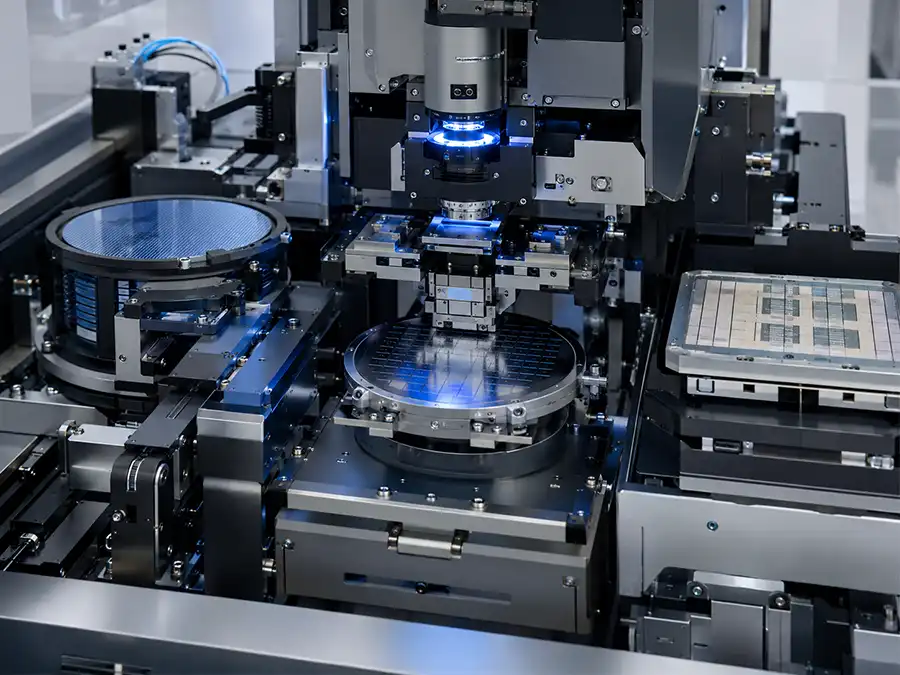
A BESI DATACON flip chip bonder should be assessed as a complete production configuration. The platform name alone does not confirm whether the offered machine has the hardware, software options, tooling and process support needed for a specific package route.
Used flip chip equipment can be commercially practical when the platform version, machine condition, installed tooling, process configuration and support readiness are verified before shipment.
Request current machine photos, installed-option lists, process-tool details, functional test information, calibration status and a defined refurbishment scope.
Confirm whether the machine is FC QUANTUM hS, advanced, advX, CHAMEO advanced, Esec 2100 FC hS or another configuration, then verify serial-number details and major installed modules.
Review pick-and-place tools, eject tools, flip tools, bond heads, nozzles, tool offsets, tool wear and the availability of compatible replacements.
Verify cameras, optics, illumination, alignment functions, post-bond inspection, calibration condition and availability of replacement vision components.
Confirm flux dipping, fluxing, cavity plates, dispensing modules, material presentation, cleaning routines and the condition of process-specific hardware.
Confirm wafer frames, trays, strips, boats, carriers, leadframes, substrate tooling, feeders and all material-transfer modules required by the target process.
Check controller hardware, PC condition, software environment, recovery media, enabled options, process data, barcode or mapping functions and technical documentation.
Define representative materials, test sequence, placement and process criteria, inspection requirements, target output and acceptance conditions before shipment.
Clarify packing method, electrical and utility requirements, installation scope, training, spare-part plan, process support and post-installation response pathway.
Use this matrix to organize the technical questions that should be answered before selecting a DATACON or Esec flip chip system for a specific semiconductor assembly program.
Published platform capability is a starting point. Final suitability requires confirmation of the exact configuration, tooling and production condition.
| Die and Bump Structure | Confirm die size, thickness, bump type, bump pitch, backside condition, fragility, orientation and pickup method. |
|---|---|
| Material Route | Confirm whether the process requires flux dipping, fluxing, adhesive, solder, another material-preparation method or a dedicated cleaning sequence. |
| Wafer and Substrate Flow | Confirm wafer frame, tray, strip, boat, carrier, leadframe, substrate dimensions, loading sequence, unloading path and material-transfer requirement. |
| Placement Requirement | Define X/Y/theta tolerance under actual process conditions, including die geometry, material condition, substrate stability and target production cycle. |
| Output and Changeover | Review target UPH, product mix, changeover frequency, tooling quantity, inspection cycle, recovery handling and line-integration requirement. |
| Yield and Inspection Control | Confirm post-bond inspection, die crack or chipping checks, tool condition, camera capability, calibration approach and acceptance criteria. |
| Used Equipment Readiness | Verify motion, vision, controller, software, process modules, tooling, spare-part access, available documentation and support scope. |
These questions address the practical issues that normally need clarification before comparing, purchasing or refurbishing a BESI DATACON flip chip bonder.
A BESI flip chip bonder is a semiconductor assembly platform used to place and align flipped dies onto substrates, carriers, strips or other package formats. The applicable process route depends on the exact DATACON or Esec configuration, material-preparation method, handling modules and installed tooling.
Flip chip mounter is often used as a general term for die-placement equipment. In production evaluation, a flip chip bonder should be assessed as a complete process platform that includes pickup, flipping, material preparation, alignment, placement, inspection and recovery handling.
A DATACON flip chip bonder refers to a DATACON platform configured for flip chip workflows. Different DATACON systems may be evaluated for mass-reflow flip chip, multi-chip assembly, wafer-level packaging or other chip-to-substrate processes depending on their installed modules and tooling.
BESI lists DATACON 8800 FC QUANTUM hS, FC QUANTUM advanced, FC QUANTUM advX and DATACON 8800 CHAMEO advanced within its flip chip platform group. Suitability depends on the exact process route and offered configuration.
FC QUANTUM configurations are typically evaluated for mass-reflow flip chip production. CHAMEO advanced is typically evaluated for multi-chip and fan-out wafer-level workflows. The correct selection still depends on the package design, material route, handling requirement and installed tooling.
Some DATACON 8800 configurations, particularly CHAMEO advanced, are evaluated for multi-chip workflows. The offered machine must be checked for carrier handling, die sequence, face-up or face-down process mode, package tooling and inspection capability.
Confirm the exact platform version, process modules, pick-and-place tools, vision system, material-preparation hardware, wafer and substrate handling, controller condition, software options, available tooling, calibration records and functional test information.
No. A BESI flip chip mounter should be matched to the exact die dimensions, bump structure, material route, wafer and substrate format, placement requirement, inspection strategy, target output and available process tooling.
Provide the package drawing, die size, die thickness, bump type, material route, wafer or tray format, substrate dimensions, target UPH, placement tolerance, inspection requirement and any existing line constraints.
DATACON 2200 evo is a configurable Multi Module Attach platform that can be evaluated for die attach, multi-chip and selected flip-chip workflows. It should be reviewed separately from DATACON 8800 systems when broader process flexibility or application-specific tooling is required.
Share your package drawing, die and bump structure, material route, wafer or substrate format, target output and any available machine details. This makes it possible to assess whether an offered DATACON or Esec configuration is worth qualifying for your production line.
Why do so many people choose to work with GeekValue?
Our brand is spreading from city to city, and countless people have asked me, "What is GeekValue?" It stems from a simple vision: to empower Chinese innovation with cutting-edge technology. This is a brand spirit of continuous improvement, hidden in our relentless pursuit of detail and the delight of exceeding expectations with every delivery. This almost obsessive craftsmanship and dedication is not only the persistence of our founders, but also the essence and warmth of our brand. We hope you will start here and give us an opportunity to create perfection. Let us work together to create the next "zero defect" miracle.
DetailsContact a sales expert
Reach out to our sales team to explore customized solutions that perfectly meet your business needs and address any questions you may have.

© All Rights Reserved. Technical Support:TiaoQingCMS