Primary production feeders
Feeders assigned to regular component families and recurring production programs.
- Frequently loaded component reels
- Stable line-side configuration
- Repeat production support
ave up to 70% on SMT Parts – In Stock & Ready to Ship
Get Quote →Configure, expand or support an ASM and Siemens SIPLACE production line with feeders selected around the placement platform, carrier-tape width, component mix and changeover strategy. Review feeder groups, machine-series considerations and practical supply routes for ongoing SMT production.
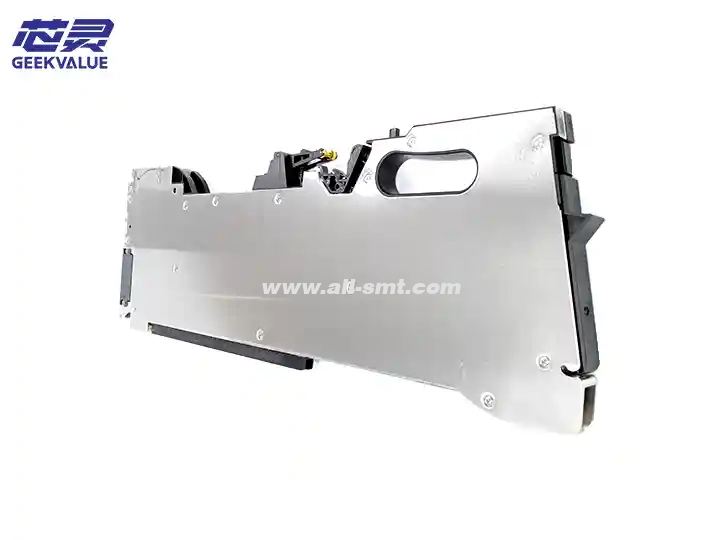
A SIPLACE feeder presents components supplied in carrier tape to the pickup position of a SIPLACE placement machine. The feeder advances the tape, manages the cover tape and supports repeatable component presentation. Selection should consider the feeder family, tape width, machine setup and production process rather than relying only on a general feeder name.
A useful feeder plan groups equipment according to how it supports the production line. This is more practical than treating every feeder as an isolated spare part.
Feeders assigned to regular component families and recurring production programs.
Additional feeders prepared in advance to shorten product change and line setup time.
Spare feeders held for commonly used widths or production-critical positions.
Feeders allocated to trial runs, new-product introduction and process engineering activity.
Start with the production requirement and machine environment. The feeder part number is confirmed later, after the required width, quantity and operating role have been defined.
Record the complete SIPLACE machine model, the number of placement machines on the line and the current feeder setup. Different production lines may use different feeder generations or configurations.
Review the component list and calculate how many positions are required for 8mm, 12mm, 16mm, 24mm and wider carrier tapes. Include duplicate feeder positions used for high-consumption components.
The number of feeders installed on the line is not necessarily the complete requirement. Add feeders needed for changeover preparation, maintenance rotation and emergency replacement.
Reducing unnecessary variation across feeder types can simplify storage, operator training and maintenance. Standardization should still respect the actual machine and component requirements.
Once the operational requirement is clear, confirm the complete feeder labels, versions and physical configuration before issuing the purchase order.
The machine series provides important context, but it does not replace feeder-level verification. Use the table to define the production environment and then confirm the exact feeder configuration.
| Production environment | Typical feeder-planning priority | Information to collect | Recommended approach | Related support |
|---|---|---|---|---|
|
SIPLACE TX production line High-density placement setup |
Compact feeder allocation, high-use component duplication and rapid feeder replacement planning. | Complete machine configuration, feeder labels, tape-width distribution and required backup quantities. | Build a standardized feeder pool around recurring production programs and critical component positions. | Check ASM feeder references |
|
SIPLACE X or SX line Flexible production platform |
Mixed-width coverage, changeover preparation and feeder standardization across multiple products. | Machine model, product mix, changeover frequency and existing feeder family. | Separate line-side feeders from offline setup and backup feeder quantities. | Browse ASM SMT feeders |
|
SIPLACE D or HS equipment Established production lines |
Existing feeder continuity, legacy references and maintenance spare availability. | Original feeder labels, current machine setup and unavailable or damaged feeder references. | Preserve known working configurations and verify replacements from physical feeder evidence. | Review feeder supply options |
|
Mixed SIPLACE equipment fleet Multi-line factory |
Common spare pools, feeder movement control and clear line assignment. | Machine list, feeder inventory, part-number records and production-critical widths. | Create a feeder register showing machine use, width, condition and backup status. | Request feeder planning support |
Feeder availability affects more than component loading. It can influence changeover preparation, maintenance scheduling and the ability to respond to unexpected line interruptions.
Load and verify the next feeder set away from the active line where the production process allows.
Identify feeder widths and positions where a failure would have a greater effect on production continuity.
Track feeders that move between machines, production lines and maintenance areas.
Use backup feeders to support scheduled inspection without reducing production capacity.
Use consistent naming and identification fields across purchasing, engineering and maintenance records.
Compare the new component list with the feeder pool before the next product enters production.
A high-volume line, a high-mix line and a factory expansion project do not require the same feeder strategy. Define the operating scenario before determining quantity.
Focus on dependable feeder allocation for recurring components and sufficient backup for production-critical positions.
Increase the number of setup feeders and organize feeder sets around product families or scheduled production programs.
Calculate feeder demand from the expected product mix rather than copying quantities from an existing line without review.
Preserve known feeder configurations and create a replacement plan for models that may be difficult to source quickly.
Carrier-tape width helps organize feeder demand across the production program. Final selection must still be confirmed against the complete feeder reference and machine configuration.
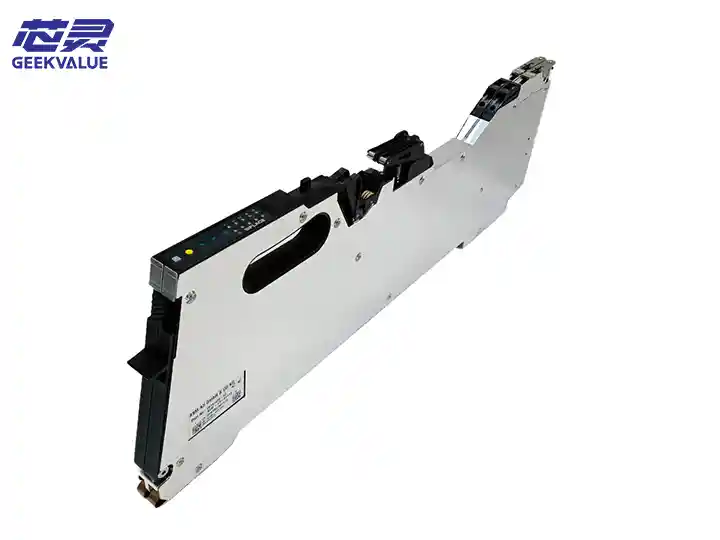
Feeder options for commonly used small-component carrier tapes, including compact and multi-lane configurations.
View 8mm feeder range
Review feeder options for 12mm carrier tape and related production or backup requirements.
View 12mm feeder range
Support wider component packages after confirming the feeder version and machine environment.
View 16mm feeder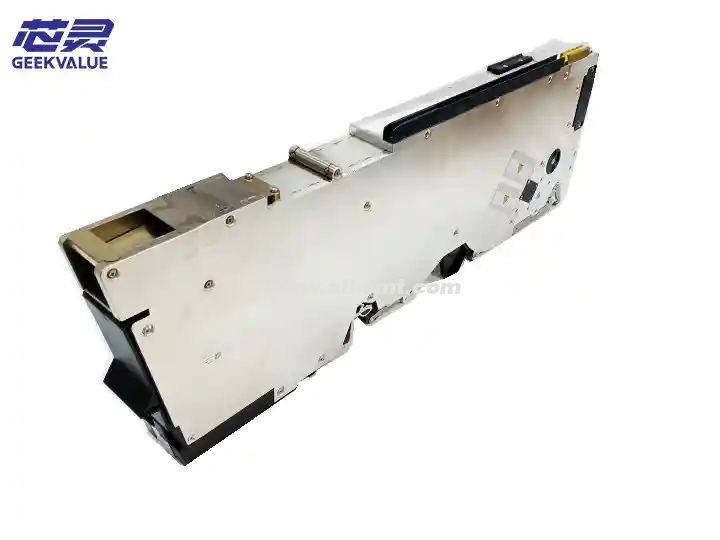
Review wide-tape feeder requirements for larger component packages and application-specific setups.
View 24mm feeder
A feeder inventory should help production, maintenance and procurement work from the same information. Standard records reduce confusion between broad feeder names, internal descriptions and physical part-number labels.
Record the full part number and suffix instead of a shortened internal name.
Show which SIPLACE platform or line currently uses the feeder.
Identify whether the feeder is active, prepared, spare, under service or unavailable.
Use tape width as an inventory field while retaining the complete feeder reference.
Track inspection, repair and recurring operating issues for production-critical feeders.
Each related page has a separate purpose. Use the model page for feeder identification, the supply page for condition and testing, and the product catalog for individual listings.
Provide the machine model, feeder widths, quantities and current references. We can then review the requirement as a complete feeder plan rather than an isolated product request.
List the complete SIPLACE placement-machine model.
Provide the required carrier-tape widths and quantities.
Separate production, changeover and backup feeder demand.
Add current feeder labels, delivery country and project timing.
Include the production-line context for a more useful feeder recommendation.
These questions focus on line configuration, feeder quantities, production planning and feeder-pool management.
Provide the complete SIPLACE machine model, required carrier-tape width, existing feeder label, component or production requirement, quantity and whether the feeder is intended for production, changeover preparation or backup stock.
SIPLACE refers to the placement-machine platform and related feeder ecosystem, while ASM is a brand name commonly associated with the equipment. The actual feeder must still be identified by its complete label, version and machine application.
The quantity depends on the number of machines, tape-width mix, changeover frequency, feeder usage and production risk. Critical feeder widths and high-consumption component positions normally require greater backup coverage.
Separate changeover feeder sets allow the next production program to be prepared without removing feeders from the active line. This can reduce loading activity and shorten the interruption between products.
A shared feeder pool may be practical when the machines and feeder configurations are confirmed to support the same units. Each feeder should still have a clear machine assignment, location and condition record.
No. Slot quantity does not include feeders required for duplicate components, offline changeover preparation, maintenance rotation, backup stock or future product programs.
Review the machine fleet, component tape-width demand and existing feeder inventory. Standardize feeder references where the machine and production requirements allow, while keeping complete identification records.
Yes. An order can combine different feeder widths and references when each item, quantity, condition and required machine application is clearly listed.
Send the machine model, tape-width demand, existing feeder references and required quantities. Use that information to plan production, changeover and backup feeders as one coordinated system.
Why do so many people choose to work with GeekValue?
Our brand is spreading from city to city, and countless people have asked me, "What is GeekValue?" It stems from a simple vision: to empower Chinese innovation with cutting-edge technology. This is a brand spirit of continuous improvement, hidden in our relentless pursuit of detail and the delight of exceeding expectations with every delivery. This almost obsessive craftsmanship and dedication is not only the persistence of our founders, but also the essence and warmth of our brand. We hope you will start here and give us an opportunity to create perfection. Let us work together to create the next "zero defect" miracle.
DetailsContact a sales expert
Reach out to our sales team to explore customized solutions that perfectly meet your business needs and address any questions you may have.

© All Rights Reserved. Technical Support:TiaoQingCMS