Unused or surplus stock
A feeder that has not entered normal production use or comes from unused project inventory.
- Label and packaging review
- Storage-condition inspection
- Quantity and identity confirmation
ave up to 70% on SMT Parts – In Stock & Ready to Ship
Get Quote →Source ASM feeders for SIPLACE SMT placement machines with clearly defined condition, identification checks, available functional inspection and protective delivery support. Compare used, serviced and replacement options based on your production requirement.
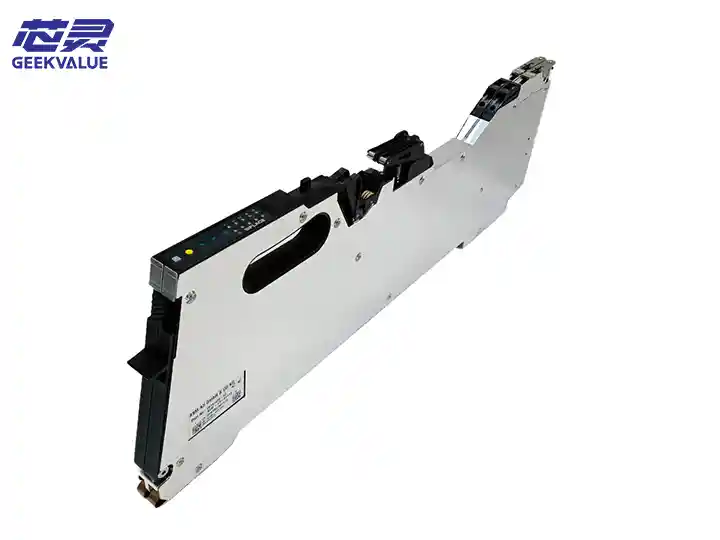
A useful feeder offer should identify the exact unit, state its condition and explain the inspection or functional checks included before shipment. The scope should be based on the agreed requirement rather than using a general “tested” description without supporting details.
The same feeder model may be available in several conditions. These terms should describe the actual work completed rather than being used interchangeably.
A feeder that has not entered normal production use or comes from unused project inventory.
A feeder that has previously operated in production and is offered in its current used condition.
A feeder that has received cleaning, adjustment, component repair or fault-related technical work.
A feeder that has received a broader inspection and restoration process according to the agreed refurbishment scope.
A structured process helps prevent an order from being based only on a broad description such as “ASM 8mm feeder.” The required feeder identity, condition and checking scope should be established before shipment.
The complete label, tape width, feeder family and machine information are reviewed. A shortened number or tape width alone should not be treated as the complete ordering specification.
Available units are separated by condition. The quotation should state whether the feeder is surplus stock, used, serviced, repaired or refurbished.
The required checks are selected according to the feeder condition and project requirement. Not every feeder or order requires the same inspection procedure.
Part-number details, quantity and actual feeder photos can be compared with the approved order before packing.
Moving areas, feeder interfaces and exposed components should be protected against impact, contamination and uncontrolled movement during transportation.
The exact test scope should be agreed according to the feeder type, condition and available equipment. The following checks form a practical inspection framework.
Confirm that the offered feeder corresponds with the required model and inspect its visible condition.
Check accessible movement and feeder mechanisms for binding, irregular resistance or obvious wear.
Where applicable, review feeding response and operation according to the agreed testing setup.
Evaluate contamination, tape residue and areas that may require cleaning or technical attention.
A repaired feeder should be checked again after technical work rather than being shipped immediately after component replacement.
Record the supplied identity and agreed evidence before the feeder leaves the warehouse.
Condition grades can make quotations easier to compare, but the written description remains more important than the grade letter itself.
| Condition level | Typical description | Recommended checks | Suitable situation | Important note |
|---|---|---|---|---|
| Grade A | Very clean condition with limited visible wear and a clear, readable identification label. | Identity, external condition, movement and applicable functional response. | Projects requiring a cleaner replacement feeder with lower visible wear. | Grade A does not automatically mean unused or factory-new. |
| Grade B | Normal production-use marks with acceptable overall physical condition. | Label, wear areas, mechanical movement and feeding-related inspection. | Routine maintenance stock and standard replacement projects. | Specific wear areas should be shown in actual product photos. |
| Service required | Visible wear, contamination or operating concerns that require technical attention before use. | Fault evaluation, cleaning, repair decision and post-service confirmation. | Repairable stock, workshop projects or feeder refurbishment. | Should not be presented as ready for production before service. |
| Parts unit | Incomplete, heavily worn or faulty feeder primarily intended for component recovery. | Identity and available-part inspection only unless otherwise agreed. | Parts harvesting, workshop reference or component replacement. | Not suitable for direct production use without evaluation. |
These symptoms do not identify a specific failed component by themselves. They provide a starting point for feeder inspection and service planning.
The carrier tape does not advance consistently, advances by an unexpected amount or requires repeated operator intervention.
Components are not presented consistently at the expected pickup position, affecting placement reliability.
Cover tape does not peel, guide or collect correctly and may interfere with the component presentation area.
The feeder is not recognized as expected or does not respond correctly in the installed production setup.
Moving parts feel tight, bind during operation or show abnormal resistance compared with a known working feeder.
The feeder body, guides, covers, connectors or mounting areas show damage that may affect reliable use.
Select the relevant feeder group by tape width, then confirm the exact part number, suffix, configuration and SIPLACE machine application.
Browse compact 8mm and multi-lane feeder configurations for SIPLACE SMT placement systems.
View ASM 8mm feeders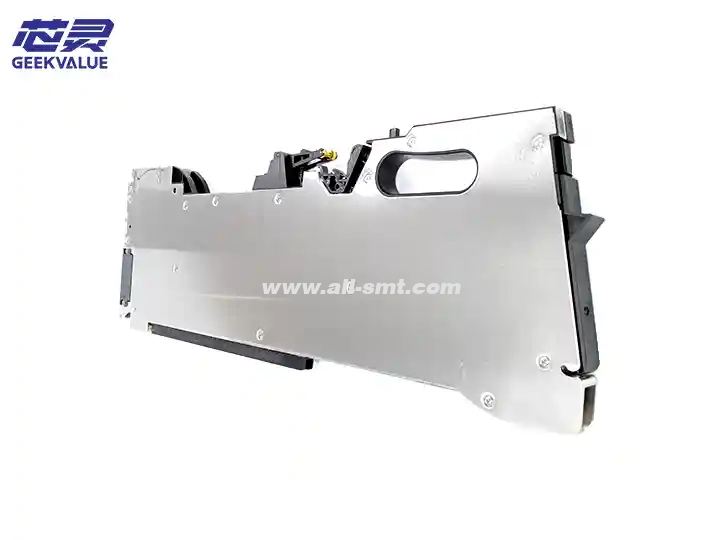
Review ASM 12mm feeder models, available conditions and replacement requirements.
View ASM 12mm feeders
Check the complete feeder number and physical configuration for wider carrier-tape applications.
View ASM 16mm feeder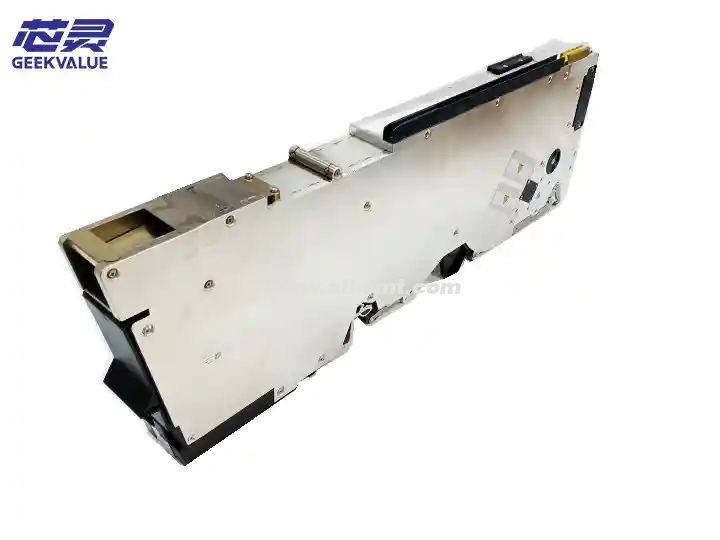
Review wide-tape feeder options and confirm whether the requested configuration matches the existing unit.
View ASM 24mm feeder
Inspection has limited value if the feeder is exposed to uncontrolled movement, impact or contamination during shipment. Packing should protect the areas that were checked before delivery.
Prevent levers, guides and exposed feeder mechanisms from moving freely inside the package.
Use suitable cushioning around connectors, mounting areas and exposed interface components.
Avoid metal-to-metal contact by packing each feeder individually before placing it in the outer carton.
Confirm the part number and quantity against the approved order before final sealing.
Send the complete feeder number, machine model, required quantity and preferred condition. Add the reported fault when requesting repair or refurbishment evaluation.
Provide the complete ASM feeder label and suffix.
State the SIPLACE machine model and carrier-tape width.
Choose used, serviced, repaired or refurbished condition.
Add quantity, delivery country and required project timing.
Include the feeder identification and required condition for a more accurate response.
These questions focus on feeder condition, inspection, repair, refurbishment and delivery.
A used feeder has previously operated in production and may be offered in its existing condition. A refurbished feeder should have received a broader cleaning, inspection, service and post-work checking process according to the stated refurbishment scope.
No. Testing may range from visual inspection and mechanical movement checks to feeding, sensor or communication-related checks. The exact scope should be stated in the quotation.
Provide the complete feeder part number and suffix, label photo, tape width, SIPLACE machine model, required quantity, preferred condition and delivery country.
Actual product photos can be used to confirm visible condition, part-number labels and quantity before shipment when included in the agreed order process.
Some feeders may be suitable for evaluation and repair depending on the fault, physical condition, available parts and technical scope. Send the label, fault description, photos and operating video for review.
Record irregular tape advancement, cover-tape problems, recognition issues, abnormal movement or the exact error condition visible during operation. Also show the feeder label at the beginning of the video.
Each feeder should be individually protected to prevent movement and metal-to-metal contact. Machine interfaces, moving areas and exposed components should receive additional cushioning.
Different feeder widths and part numbers can be combined in one order when each model, quantity, condition and inspection scope is clearly listed before shipment.
Send the complete feeder label, required quantity and expected condition. The supplied unit, checking scope and delivery details can then be defined before order confirmation.
Why do so many people choose to work with GeekValue?
Our brand is spreading from city to city, and countless people have asked me, "What is GeekValue?" It stems from a simple vision: to empower Chinese innovation with cutting-edge technology. This is a brand spirit of continuous improvement, hidden in our relentless pursuit of detail and the delight of exceeding expectations with every delivery. This almost obsessive craftsmanship and dedication is not only the persistence of our founders, but also the essence and warmth of our brand. We hope you will start here and give us an opportunity to create perfection. Let us work together to create the next "zero defect" miracle.
DetailsContact a sales expert
Reach out to our sales team to explore customized solutions that perfectly meet your business needs and address any questions you may have.

© All Rights Reserved. Technical Support:TiaoQingCMS