 EN
EN id
id sk
sk sr
sr sv
sv it
it pt
pt bn
bn ms
ms be
be nl
nl fr
fr th
th vi
vi ru
ru ja
ja ko
ko de
de hy
hy az
az bs
bs bg
bg my
my cs
cs da
da dv
dv el
el et
et fil
fil fi
fi ga
ga gl
gl gn
gn he
he hi
hi km
km hr
hr hu
hu is
is kn
kn rw
rw lo
lo lv
lv lt
lt lb
lb lg
lg mi
mi mt
mt ne
ne no
no ny
ny or
or om
om per
per pl
pl ro
ro sa
sa so
so es
es sw
sw ta
ta tr
tr uk
uk ur
ur cy
cy xh
xh
Siemens pick-and-place machines are among the most advanced SMT production systems in the world, known for their precision, efficiency, and reliability. However, when these machines encounter faults—especially in critical components such as vacuum pumps, motors, sensors, or feeders—the way they are repaired can directly impact overall performance and production stability. Choosing a professional supplier for Siemens pick-and-place machine parts repair is not just about fixing a problem quickly; it’s about maintaining long-term operational integrity and protecting your investment.
Professional suppliers bring deep technical knowledge, access to genuine parts, and diagnostic expertise that general repair shops simply can’t match. They understand the exact calibration, software compatibility, and quality control that Siemens equipment requires. Working with uncertified or inexperienced repair providers may lead to minor short-term savings, but it often results in long-term costs due to recurring failures, reduced precision, and shortened equipment lifespan.
The Importance of Professional Repair Services
Siemens pick-and-place systems are built with tight tolerances and advanced automation features. Every part, from the feeder to the vacuum pump, must operate in perfect harmony. Even the slightest deviation in suction pressure, timing, or motion control can lead to costly placement errors or line stoppages.
Precision and Calibration
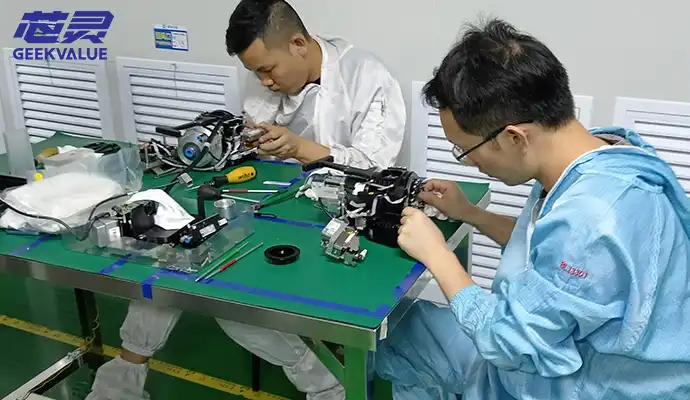
Professional suppliers use factory-grade tools and calibration equipment to restore each part’s performance to its original specifications. For example, a vacuum pump that isn’t properly calibrated can cause inconsistent suction, leading to parts being mispicked or dropped during placement. Over time, such inaccuracies accumulate, lowering yield rates and causing production delays.
Access to Genuine Replacement Parts
Authorized suppliers maintain strong relationships with Siemens or certified OEM manufacturers. This ensures that every replacement component — whether it’s a pump valve, motor driver, or vision sensor — matches the machine’s original specifications. Non-genuine parts may look identical but can fail prematurely, leading to instability or even safety risks.
Common Problems Caused by Unqualified Repairs
While using a general repair shop might seem like a way to reduce costs, the reality is often the opposite. Poor-quality repairs can introduce more issues, resulting in lower production efficiency and higher maintenance expenses.
Reduced Efficiency
Improper repairs can lead to slower placement speeds, misalignment, or increased reject rates. The machine may require constant adjustment, wasting both time and materials.
Frequent Component Failures
When parts are not repaired using proper techniques or calibrated tools, the failure rate increases. A poorly rebuilt vacuum pump, for example, might work temporarily but lose suction strength over time, causing repeated stoppages.
Escalating Maintenance Costs
Cheap repairs often come with hidden expenses. Since non-professionally serviced parts tend to fail sooner, companies end up spending more on repeated maintenance, spare parts, and unplanned downtime. Professional suppliers, on the other hand, provide lasting solutions that minimize total cost of ownership.
Why Siemens Machines Require Expert Handling
Siemens pick-and-place machines are not like standard SMT equipment. They feature advanced automation, proprietary firmware, and high-speed motion control systems that require precise synchronization between hardware and software.
Proprietary Technology and Software Updates
Only professional repair centers with access to Siemens-compatible diagnostic software can correctly update, configure, and calibrate system components after repair. Unauthorized repairs often skip this step, leaving mismatched firmware versions or communication errors that degrade performance.
Cleanroom and ESD-Safe Workmanship
Electronic components used in Siemens systems are sensitive to dust and static electricity. Professional suppliers adhere to ESD-safe procedures and work in cleanroom environments, ensuring every component is handled safely and meets industrial standards.
Key Benefits of Choosing Professional Suppliers
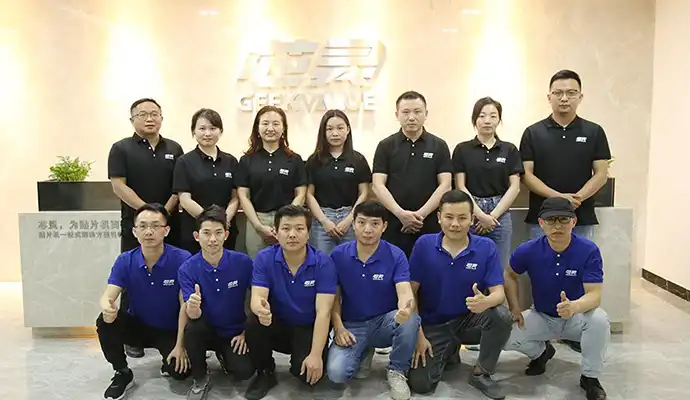
Partnering with a trusted Siemens repair supplier offers numerous operational and financial benefits.
Extended Equipment Lifespan
Professionally repaired parts restore your machine to near-new condition, reducing wear and extending operational life.
Minimized Downtime
Authorized repair centers provide faster diagnostics and maintain an inventory of spare parts, allowing them to resolve issues quickly and keep production lines running smoothly.
Quality Assurance and Warranty
Reputable suppliers offer service warranties, performance testing reports, and traceable maintenance records. This not only builds confidence but also ensures consistent quality control.
Cost Efficiency
Although professional repairs might have higher upfront costs, they save significant money in the long run by preventing repetitive breakdowns and optimizing machine uptime.
Selecting the Right Professional Supplier
When choosing a repair partner, it’s essential to evaluate several key factors:
Technical Expertise – The supplier should have proven experience with Siemens SMT systems.
Diagnostic Equipment – Ensure they use factory-level testing tools and calibration systems.
Parts Authenticity – Only genuine or OEM-certified parts should be used in repairs.
After-Sales Support – Look for warranty coverage and post-repair technical assistance.
Customer Reputation – Choose suppliers with verified reviews and long-term client relationships.
Working with a professional supplier transforms maintenance from a reactive process into a strategic investment. Instead of constantly fixing failures, you ensure consistent performance, lower operating costs, and higher production quality.
Frequently Asked Questions
Q1: Can I use non-original parts for Siemens pick-and-place machines?
Using non-original parts may seem cheaper initially, but they often cause compatibility issues and premature failure, leading to greater long-term costs.
Q2: How often should Siemens machine components be serviced?
It depends on production intensity, but professional preventive maintenance every 6–12 months is recommended to ensure stability and avoid unplanned downtime.
Q3: What is the risk of using non-professional repair shops?
Non-professional repairs can lead to miscalibration, inconsistent suction pressure, increased scrap rates, and ultimately, expensive line interruptions.
Q4: Do professional suppliers provide warranties?
Yes, reputable Siemens service suppliers typically provide warranties on parts and workmanship, giving manufacturers peace of mind and consistent performance.
Q5: Why is calibration so important in Siemens pick-and-place machines?
Calibration ensures accurate component placement, stable suction, and synchronized motion control — all critical for high-speed SMT production quality.
Choosing a professional Siemens pick-and-place parts repair supplier is an investment in precision, reliability, and long-term efficiency. Machines that receive expert attention perform better, last longer, and require fewer unplanned repairs. By relying on certified professionals, manufacturers not only protect their equipment but also maintain consistent production quality and maximize profitability.