 EN
EN id
id sk
sk sr
sr sv
sv it
it pt
pt bn
bn ms
ms be
be nl
nl fr
fr th
th vi
vi ru
ru ja
ja ko
ko de
de hy
hy az
az bs
bs bg
bg my
my cs
cs da
da dv
dv el
el et
et fil
fil fi
fi ga
ga gl
gl gn
gn he
he hi
hi km
km hr
hr hu
hu is
is kn
kn rw
rw lo
lo lv
lv lt
lt lb
lb lg
lg mi
mi mt
mt ne
ne no
no ny
ny or
or om
om per
per pl
pl ro
ro sa
sa so
so es
es sw
sw ta
ta tr
tr uk
uk ur
ur cy
cy xh
xh
Surface-Mount Technology (SMT) plays a crucial role in modern electronics manufacturing, enabling efficient production of compact, high-performance electronic devices. As technology advances, understanding the various SMT components and their functions is essential for engineers and manufacturers. This article delves into the key categories of surface-mount technology parts, explaining their roles in circuit design and assembly, and highlighting their contributions to the overall functionality of electronic devices.
What Are SMT Components?
SMT components refer to electronic parts designed specifically for use with surface-mount technology, where components are mounted directly onto the surface of a printed circuit board (PCB). Unlike traditional through-hole technology, where components are inserted into holes in the PCB, SMT allows for faster assembly, smaller components, and more reliable performance in modern devices.
Key Categories of SMT Components
Understanding the different categories of surface-mount technology parts is essential for creating efficient, reliable, and high-performing electronic devices. These components can be divided into five primary categories: passive elements, active parts, connectors, sensors and actuators, and power management components.
1. Passive SMT Components
Passive components are vital for controlling and regulating electrical signals in a circuit without generating power. These components include:
1.1 SMT Resistors
Resistors are one of the most common SMT components. Their primary function is to limit the flow of electrical current, protecting other circuit elements from excess current. Surface-mount resistors come in various sizes, with 0805 and 0603 being the most common for compact devices. They play a crucial role in current management and ensuring the safety of electronic devices.
1.2 SMT Capacitors
Capacitors store and release electrical energy, providing critical functions such as smoothing voltage fluctuations, coupling signals, and filtering noise. SMT capacitors are available in various types, including ceramic, tantalum, and aluminum electrolytic capacitors, each selected for specific device requirements.
1.3 SMT Inductors
Inductors store energy in a magnetic field when an electrical current flows through them. These surface-mount components are used for energy storage, filtering, and power supplies, ensuring that current is stable and voltage is consistent across the system.
2. Active SMT Components
Active components require an external power source to operate and can amplify or switch electrical signals. These parts include:
2.1 SMT Transistors
Transistors are essential electronic components that can amplify electrical signals or act as switches. They are widely used in signal processing, logic circuits, and amplification stages. SMT transistors are vital to the functioning of modern electronics, such as smartphones, laptops, and other consumer electronics.
2.2 SMT Diodes
Diodes allow electrical current to flow in only one direction, making them useful for power rectification and protection. SMT diodes, including light-emitting diodes (LEDs), Zener diodes, and Schottky diodes, have numerous applications in modern electronics, such as voltage regulation, signal modulation, and display systems.
2.3 SMT Integrated Circuits (ICs)
Integrated circuits (ICs) are a collection of active and passive components integrated into a single chip. Surface-mount ICs are widely used for various functions such as amplification, data processing, memory storage, and power management, making them indispensable in most modern devices.
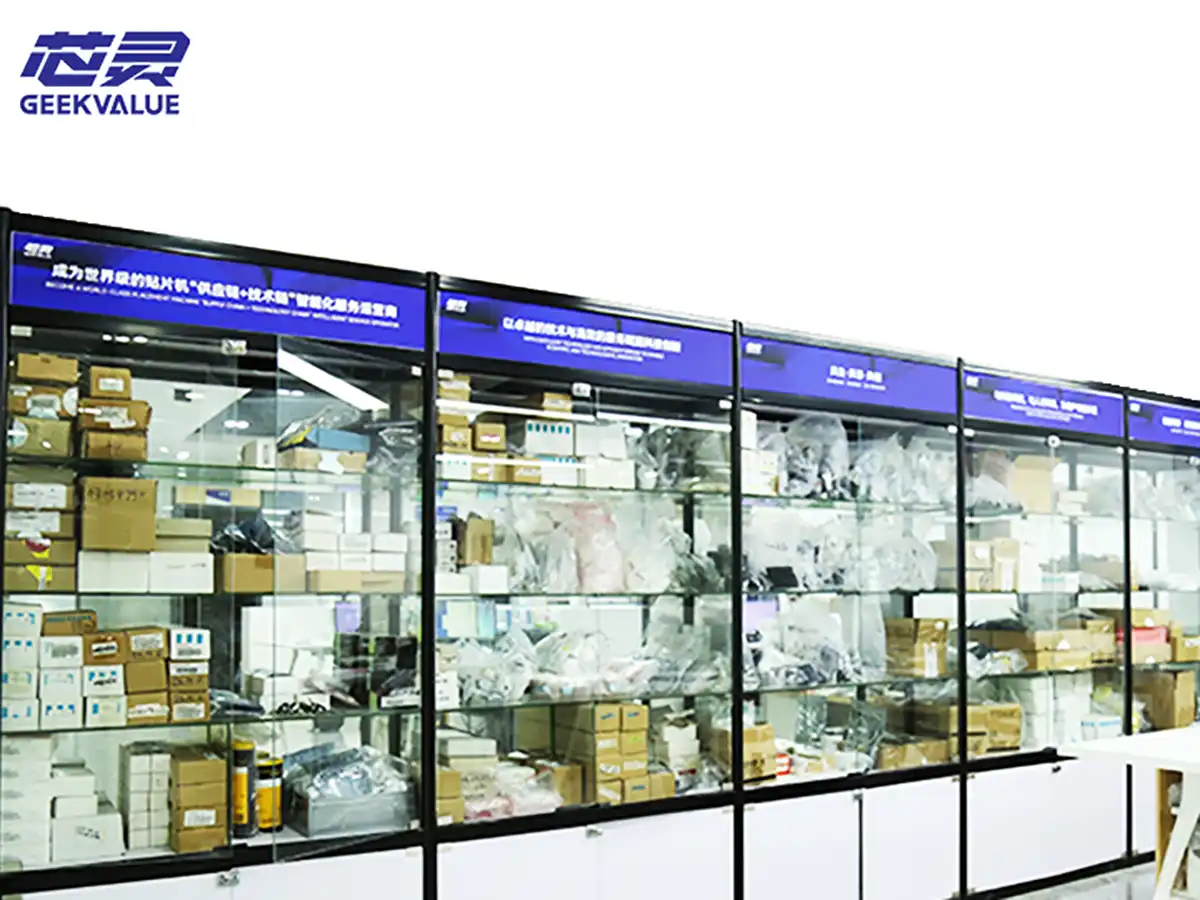
3. Connectors and Terminals in SMT Assemblies
Connectors and terminals ensure reliable communication between different circuit elements or external devices. These SMT components are crucial for maintaining stable data and power flow throughout the device.
3.1 SMT PCB Connectors
SMT connectors come in many forms, including pin headers, board-to-board connectors, and flexible connectors. These parts enable the transfer of signals or power between different sections of a circuit board and are essential for multi-board systems or external connections.
3.2 SMT Terminals
SMT terminals serve as the interface between the circuit board and external components, such as power supplies or communication systems. These connectors ensure the device can interact with its environment reliably.
4. Sensors and Actuators in SMT Designs
Sensors and actuators enable devices to interact with the physical world by detecting and responding to changes in their environment. These include:
4.1 SMT Temperature Sensors
SMT temperature sensors monitor and regulate the internal temperature of devices to prevent overheating and maintain optimal performance. They are used in a variety of electronics, from consumer gadgets to automotive and industrial applications.
4.2 SMT Pressure Sensors
Pressure sensors are used to detect changes in pressure within a system, which is crucial for applications such as medical devices, fuel systems, and environmental monitoring. These sensors provide important data to keep systems operating safely.
4.3 SMT Motion Sensors
SMT motion sensors detect changes in movement, position, acceleration, or rotation. These sensors are commonly found in security systems, mobile devices, and gaming consoles, enabling features like motion detection and gesture-based controls.
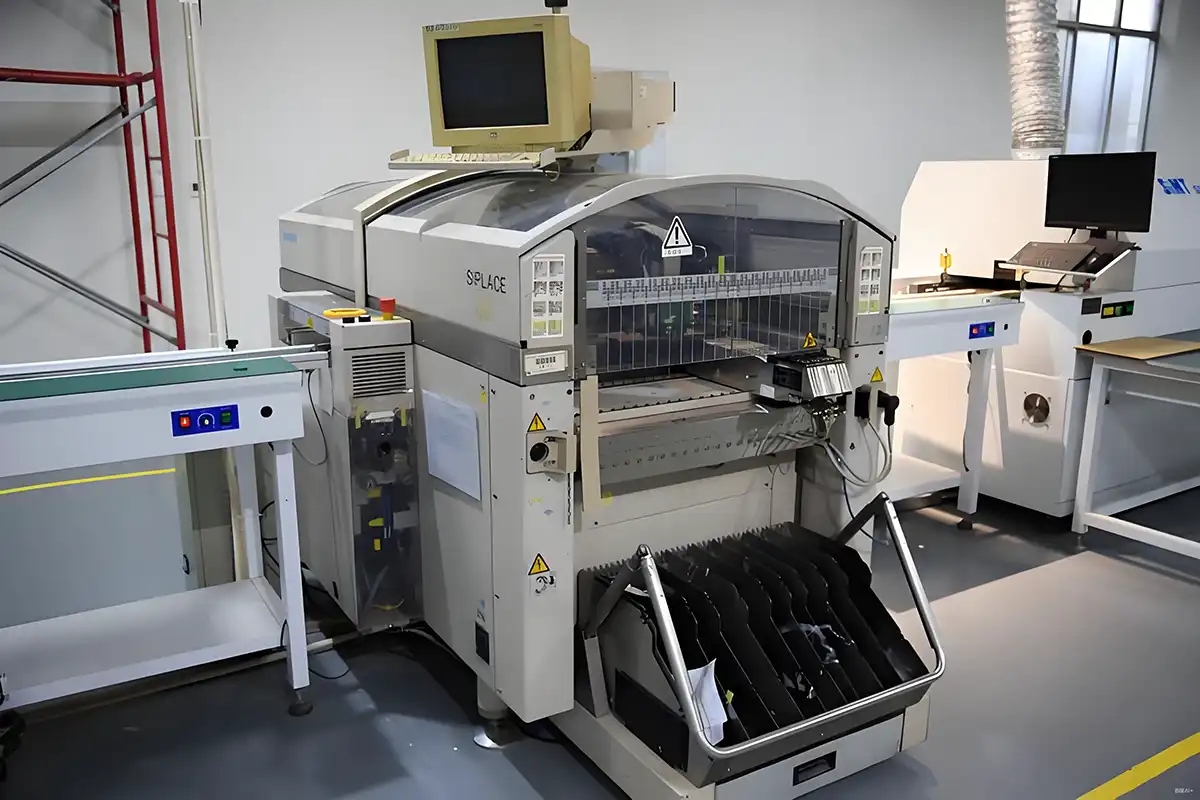
5. Power Management SMT Components
Power management is crucial to ensure that electronic devices operate efficiently and consume power responsibly. These SMT components regulate voltage, current, and power distribution within circuits:
5.1 SMT Voltage Regulators
SMT voltage regulators ensure that a consistent voltage is supplied to the circuit, regardless of fluctuations in the input or load conditions. These components are essential for protecting sensitive electronics from voltage spikes or drops.
5.2 SMT Power MOSFETs
SMT power MOSFETs are used in power management circuits to control large currents with minimal energy loss. These parts are integral in applications like power supplies, motor controllers, and high-power devices.
How to Choose the Right SMT Components for Your Project
When selecting SMT components for your project, it's essential to consider several factors, such as size, voltage, current ratings, tolerance, and operating temperature range. Ensuring the compatibility of the components with one another and their suitability for the application is critical for the reliability of the final product. Using high-quality electronic components from reputable manufacturers can enhance the overall performance and durability of your device.
Frequently Asked Questions (FAQ)
What is the difference between SMT and traditional through-hole technology?
SMT components are mounted directly onto the surface of a PCB, whereas through-hole components are inserted into holes in the board. SMT allows for smaller components, faster assembly, and greater circuit density.
What types of electronic devices use SMT components?
SMT components are used in a wide range of devices, including smartphones, computers, automotive systems, medical devices, and consumer electronics. Virtually all modern electronics incorporate surface-mount components in their designs.
How do I choose the right SMT components for my design?
When choosing SMT components, consider the device’s size, power requirements, and the environment in which it will operate. It's important to ensure that the components are compatible with each other and suitable for the specific requirements of your project.
Can SMT components be used in high-power applications?
Yes, SMT components are available for both low and high-power applications. Power components like voltage regulators and power MOSFETs are designed to handle higher currents and voltages, making them suitable for high-power electronics.
How do SMT components improve the performance of electronic devices?
By enabling smaller, more efficient circuit designs, SMT components improve the performance of electronic devices. They allow for higher circuit density, increased reliability, and faster production speeds, resulting in better overall device performance.
Conclusion
Understanding the various categories of SMT components is crucial for anyone involved in electronics design or manufacturing. Whether designing a consumer gadget, an automotive system, or a medical device, selecting the right surface-mount technology parts ensures that the product performs reliably and efficiently. By keeping up with the latest developments in SMT components, manufacturers can continue to innovate and deliver high-quality electronic devices.