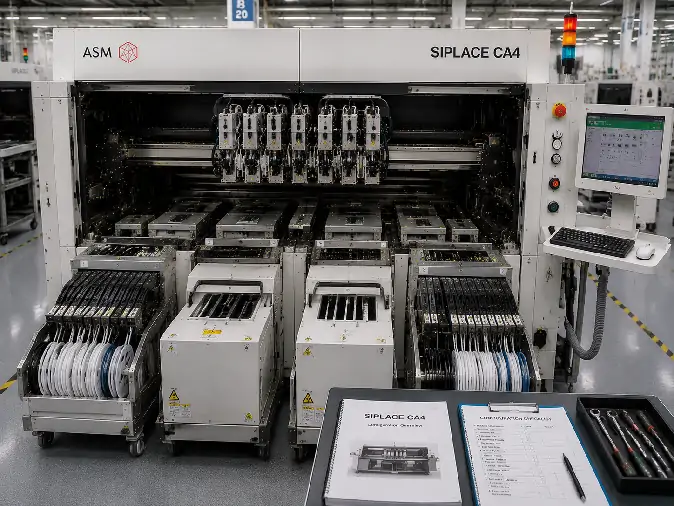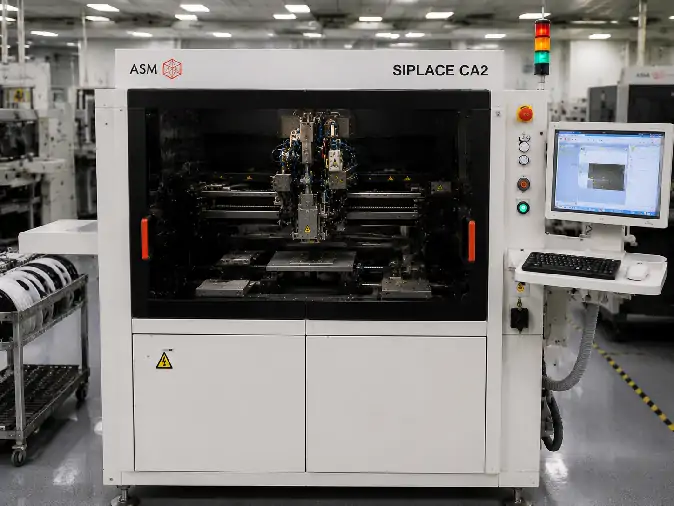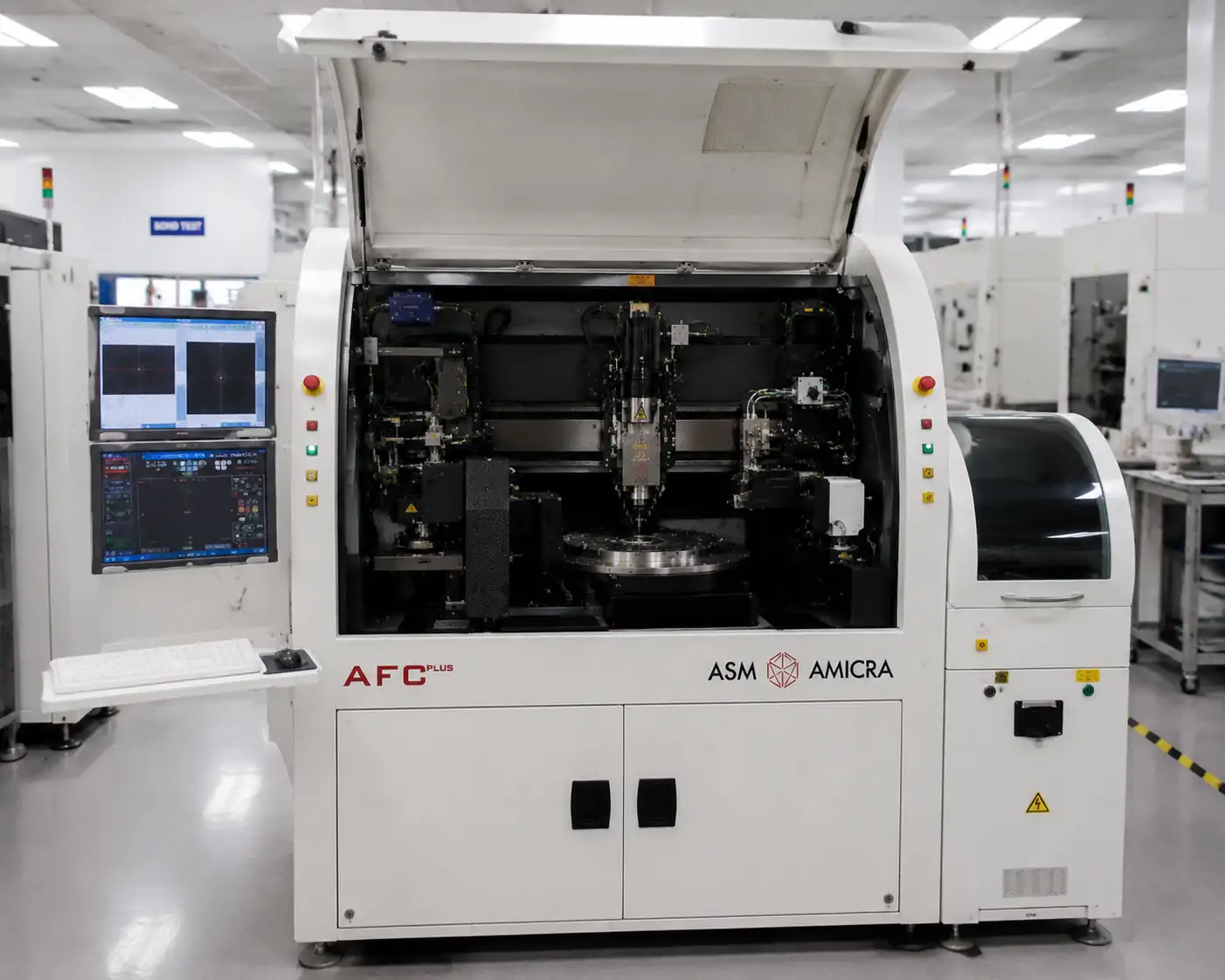

In SMT manufacturing, accurate component feeding is essential for maintaining stable PCB assembly production. An ASM SMT Feeder is a component supply unit used with ASM SMT placement systems to deliver electronic components to placement heads during automated assembly processes.
The feeder works as the connection point between component storage and the placement machine. It prepares components in a controlled position so that ASM placement systems can accurately pick and place them onto printed circuit boards.
An ASM SMT Feeder is not a standalone SMT machine. It is part of a larger automated assembly system where ASM placement equipment, component packaging methods, and production workflows work together to support reliable PCB manufacturing.
This article explains what ASM SMT Feeder is, where it fits within ASM placement systems, how it supports component supply, and why feeder operation matters in automated PCB assembly.
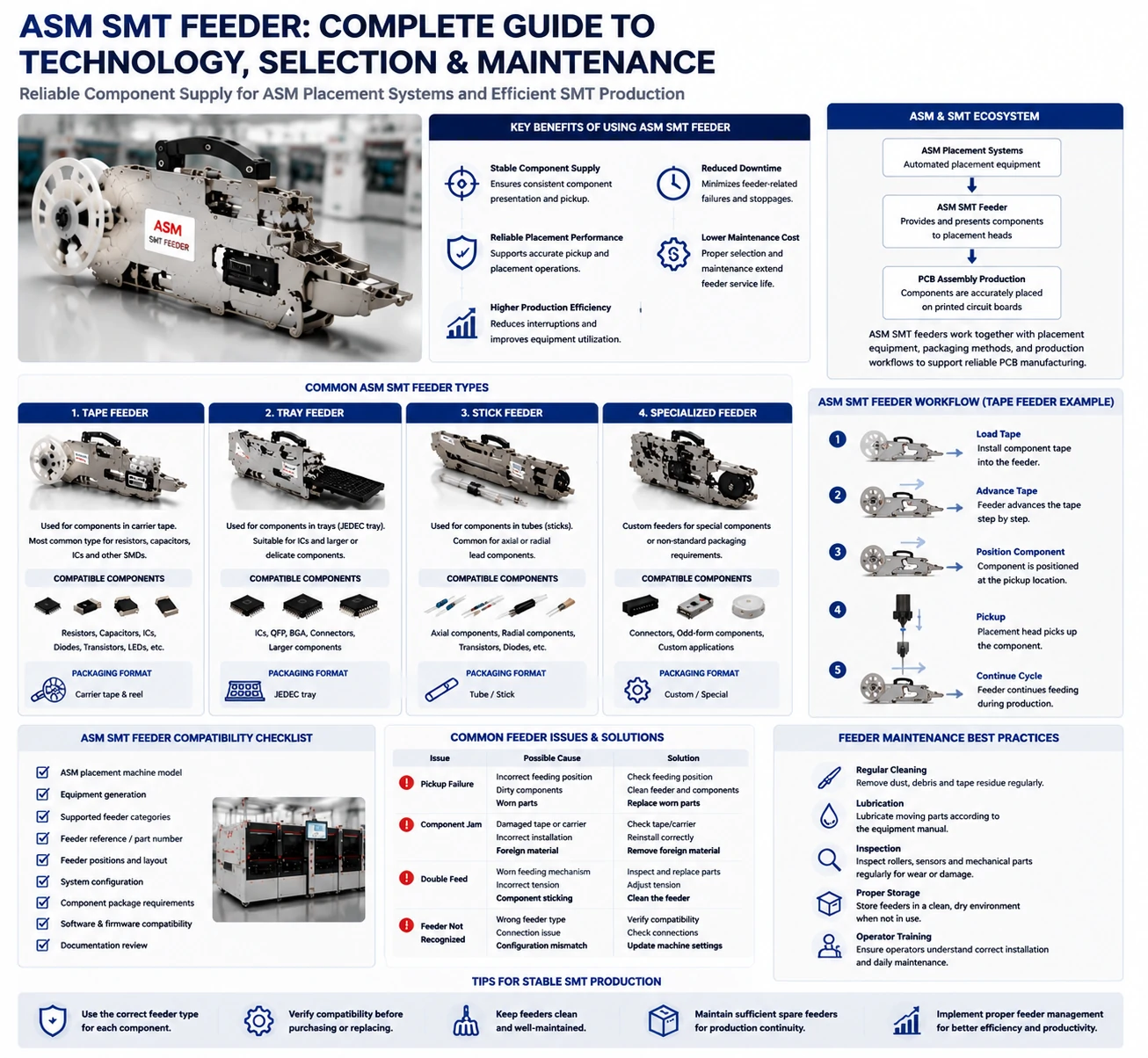
What Is an ASM SMT Feeder?
An ASM SMT Feeder is an SMT machine component designed to supply electronic components to ASM placement systems during automated PCB assembly.
Its primary function is to prepare components from their storage format and present them at a controlled pickup location where placement heads can collect them.
In an SMT production workflow, the feeder connects:
Component storage
Component feeding process
Placement machine operation
PCB assembly production
By providing a stable component supply process, ASM SMT Feeders help placement systems maintain consistent automated assembly operations.
The Role of Feeders in SMT Manufacturing
SMT placement machines require a reliable component supply process because placement heads depend on accurately presented components during production.
The main roles of ASM SMT Feeders include:
Holding electronic components in suitable packaging formats
Moving components into the pickup position
Supporting automated component supply
Preparing components for placement operations
Maintaining consistent component presentation
Without a stable feeding process, even advanced placement machines cannot maintain consistent component pickup and assembly performance.
Why Placement Machines Need Reliable Feeding Systems
Placement accuracy depends not only on the placement head but also on how consistently components are supplied.
A reliable ASM SMT Feeder helps support:
Stable component presentation
Consistent pickup operations
Continuous SMT production
Reduced feeding-related interruptions
Improved assembly workflow stability
In automated PCB assembly, feeder performance is an important factor affecting the overall placement process.
How ASM SMT Feeder Fits Into ASM Placement Systems
The main value of an ASM SMT Feeder comes from its relationship with ASM placement systems. The feeder is one part of a complete production workflow that moves components from supply to final placement.
The basic system relationship can be understood as:
ASM placement system provides automated placement capability
Feeder supplies and presents electronic components
Placement head collects components from the feeder
Components are placed onto the PCB
This relationship allows ASM placement systems to perform automated component placement with a continuous and organized production flow.
ASM Placement Machine and Feeder Relationship
The feeder acts as the connection point between component preparation and the placement process.
Within an ASM SMT system, the workflow generally includes:
Components stored in feeder-compatible packaging
Feeder prepares components for pickup
Placement head collects components
Machine places components according to the assembly program
This system relationship is what makes ASM SMT Feeder different from a generic component supply device. Its purpose is to support the operation of an automated placement environment.
Component Supply Workflow
The component supply process is a continuous workflow connecting component storage with PCB assembly.
The general process includes:
Components are loaded into the feeder.
The feeder advances components into position.
Components are presented for pickup.
The placement head collects components.
The machine completes component placement on the PCB.
A stable component supply workflow helps maintain consistent production performance in automated SMT manufacturing.
How ASM SMT Feeder Works
An ASM SMT Feeder works by moving components from their original packaging format into a controlled pickup location where the ASM placement machine can collect them.
Although different feeder categories may use different mechanisms, the overall purpose remains the same: providing accurate and repeatable component supply for automated placement operations.
The basic operating concept includes:
Component storage
Feeding movement
Component presentation
Pickup preparation
Component Feeding Process
Electronic components used in SMT production are supplied in different packaging formats. The feeder manages these components and prepares them for automated placement.
The general feeding process includes:
Loading components into the feeder
Advancing components through the feeding mechanism
Moving components into the pickup position
Preparing components for placement head pickup
This process allows ASM placement systems to continuously receive components during PCB assembly operations.
Component Positioning Before Pickup
Before a placement head collects a component, the feeder must present the component in a suitable and repeatable position.
Accurate component presentation helps support:
Pickup consistency
Component handling stability
Reliable placement preparation
Stable SMT production workflow
Feeder operation, component packaging, mechanical accuracy, and correct setup all influence how effectively components are presented to the placement system.
Interaction With ASM Placement Machines
The ASM SMT Feeder and placement machine operate together as part of an automated PCB assembly system.
The interaction includes:
Feeder component supply
Component presentation at the pickup location
Placement head pickup operation
Automated component placement on the PCB
This coordination allows ASM placement systems to maintain continuous production workflows and consistent component placement processes.
Common Types of ASM SMT Feeders
ASM SMT Feeders can be grouped according to how components are supplied to the placement system.
Different feeder categories support different component packaging methods and production requirements.
| Feeder Category | Typical Application |
|---|---|
| Tape Feeders | Components supplied in carrier tape formats for automated placement. |
| Tray Feeders | Larger components or packages requiring tray-based handling. |
| Other Feeding Solutions | Special component formats requiring different supply methods. |
Tape Feeders
Tape feeders are one of the most common feeder categories used in SMT production because many electronic components are supplied in carrier tape formats.
They support:
Continuous component supply
Automated pickup operations
High-volume PCB assembly
Stable component presentation
Tape feeders help connect component packaging with automated placement workflows.
Tray Feeders
Tray feeders support components that require tray-based handling instead of tape feeding.
They are commonly used for:
Larger components
Special semiconductor packages
Components requiring individual positioning
The suitable feeding method depends on component format and production requirements.
Other Component Feeding Solutions
Some SMT production environments may require additional feeding approaches for components with unique packaging or handling requirements.
The appropriate solution depends on:
Component format
Production requirements
Equipment configuration
Why ASM SMT Feeder Performance Matters
Feeder performance affects SMT production because placement machines depend on stable component supply and accurate component presentation.
A reliable feeder helps connect:
Stable Feeding → Accurate Component Presentation → Reliable Pickup → Consistent Placement
Supporting Stable Component Pickup
Consistent component presentation helps placement heads collect components more reliably.
Stable feeder operation supports:
Pickup stability
Placement preparation
Reduced handling variation
Continuous production workflow
Reducing Production Errors
Feeding problems can interrupt SMT production by affecting component availability or presentation quality.
Potential impacts include:
Pickup interruptions
Placement delays
Reduced production stability
Additional production troubleshooting
Maintaining reliable feeder operation helps support more stable PCB assembly processes.
ASM SMT Feeder in PCB Assembly Production
ASM SMT Feeders play an important role in automated PCB assembly by supporting the connection between component preparation and high-speed placement workflows.
The feeder is not an isolated component. It works as part of a larger SMT production system where component supply, placement equipment, and manufacturing processes operate together.
High-Speed SMT Manufacturing
High-volume PCB assembly requires continuous component supply and stable automation processes.
ASM SMT Feeders support production requirements through:
Continuous component availability
Automated feeding operations
Stable placement workflows
Reduced supply interruptions
Reliable feeder operation helps ASM placement systems maintain consistent production flow during automated assembly.
Automated Component Placement
In automated SMT production, the feeder provides the connection between electronic components and placement equipment.
The overall workflow includes:
Component preparation
Feeder component supply
Placement head pickup
PCB component placement
Understanding the role of ASM SMT Feeder helps equipment users better understand how automated placement systems operate.
SMT Production Workflow Example
A typical ASM-based SMT production workflow can be understood as:
Electronic components are prepared in suitable packaging formats.
ASM SMT Feeder supplies components to the pickup position.
The placement machine collects components through the placement head.
Components are placed onto the PCB according to the production program.
The assembly process continues through the SMT manufacturing workflow.
This workflow shows why feeder operation is an important part of reliable automated PCB assembly.
ASM SMT Feeder and Equipment Understanding
Understanding ASM SMT Feeder technology helps SMT professionals better evaluate how individual equipment components contribute to overall production performance.
The feeder is an important connection point between:
Component supply
ASM placement equipment
Automated production workflows
PCB assembly results
A clear understanding of this relationship helps engineers and equipment users better manage SMT production processes.
Frequently Asked Questions
What is ASM SMT Feeder?
ASM SMT Feeder is a component supply unit used with ASM SMT placement systems to present electronic components for automated PCB assembly.
How does ASM SMT Feeder work?
ASM SMT Feeder works by moving components from their packaging format into a controlled pickup position where the placement machine can collect them.
How does ASM feeder connect with ASM placement machines?
ASM feeders connect with placement systems by supplying components to the pickup area, allowing placement heads to collect and place components during automated assembly.
What machines use ASM Feeders?
ASM Feeders are used with ASM SMT placement systems. Specific feeder usage depends on the placement machine configuration and equipment requirements.
Are ASM feeders compatible with all ASM SMT systems?
Compatibility depends on machine model, feeder type, and equipment configuration. Specific compatibility should be verified according to the actual ASM system requirements.
Why is feeder performance important in SMT production?
Feeder performance affects component presentation and pickup stability, which are important factors in maintaining reliable SMT placement operations.
Conclusion
ASM SMT Feeder is an important component within ASM placement systems, connecting component supply with automated PCB assembly workflows.
Understanding where the feeder fits, how it works, and why its operation matters helps SMT professionals better understand the relationship between equipment operation and production stability.
For users researching ASM feeder solutions, understanding feeder technology provides a foundation for exploring more specific topics such as compatibility, maintenance, and replacement considerations.