EN
EN id
id sk
sk sr
sr sv
sv it
it pt
pt bn
bn ms
ms be
be nl
nl fr
fr th
th vi
vi ru
ru ja
ja ko
ko de
de hy
hy az
az bs
bs bg
bg my
my cs
cs da
da dv
dv el
el et
et fil
fil fi
fi ga
ga gl
gl gn
gn he
he hi
hi km
km hr
hr hu
hu is
is kn
kn rw
rw lo
lo lv
lv lt
lt lb
lb lg
lg mi
mi mt
mt ne
ne no
no ny
ny or
or om
om per
per pl
pl ro
ro sa
sa so
so es
es sw
sw ta
ta tr
tr uk
uk ur
ur cy
cy xh
xh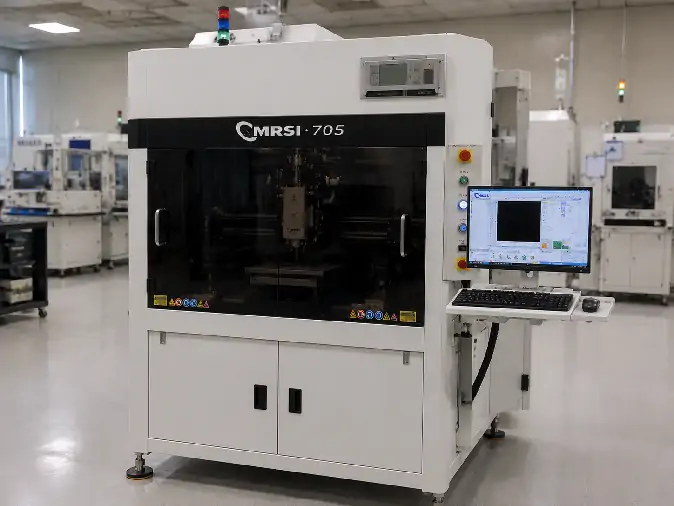
Individual Equipment Record
MRSI-705 5-Micron Die Bonder
Review MRSI-705 die bonder specifications, including ±5 µm placement accuracy, a 700-square-inch work area, force control, material handling and tooling.
ave up to 70% on SMT Parts – In Stock & Ready to Ship
Get Quote →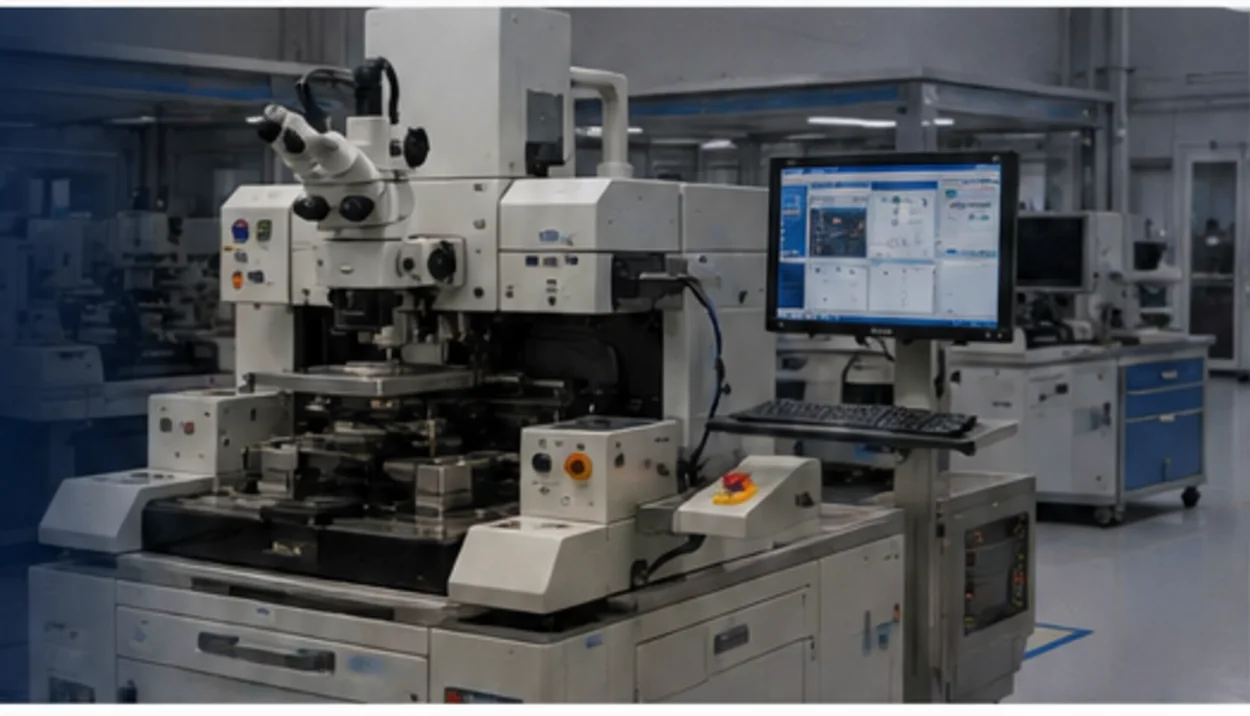
Review the actual machine before pricing the platform name.
A used MRSI-705 can be a strong option when the installed material handling, process modules, tooling and software match the application. This page helps you move from a seller listing to a machine record, an agreed evidence level and a quotation tied to one documented unit.
Reference image only. It identifies the platform and does not represent confirmed stock, installed options or the condition of any offered machine. Availability and configuration must be checked against the individual equipment record.
Start with the actual listing, photographs and machine record. Those details show which unit is available for a deeper configuration and evidence review.
Review MRSI-705 die bonder specifications, including ±5 µm placement accuracy, a 700-square-inch work area, force control, material handling and tooling.
A published listing is the starting point, not the final purchase record. Model identity, installed modules, software, tooling, condition evidence and delivery scope still need to be tied to the physical machine.
Use these published values for early screening. They do not prove the measured performance or installed options of a used unit.
Start with the listing, then separate what is documented, what can be demonstrated and what still needs a commercial decision. Each step helps the buyer decide whether to continue, request more evidence or define a test and quotation scope.
Establish which physical unit is being discussed.
Identify what the candidate machine actually contains.
Show whether the installed hardware can be meaningfully evaluated.
Identify the level of demonstration that matches the remaining purchase risk.
Tie the price to the identified machine, included equipment and agreed responsibilities.
Define wafer, Gel-Pak, waffle pack, tray or tape input, together with die size, mapping, ejector and handling needs.
Review FocusInstalled feeder, wafer system, ejector hardware, mapping capability and required change parts.
Describe epoxy attach, stamping, eutectic, UV, flip-chip, thermal or another application-specific route.
Review FocusBond head, heated stage, dispenser, scrub, gas, UV, flip and process-control hardware on the candidate unit.
Identify collets, nozzles, stamping tools, fixtures, workholders, carriers, conveyors and changeover expectations.
Review FocusActual tool bank or turret, included tools and accessories, transport layout and compatibility with the product.
A power-on check, dry cycle, representative test and defined FAT provide different levels of confidence. The useful choice depends on what still needs to be proven before purchase.
Confirms that the system can start and provides an initial view of controller, computer and alarm status.
Shows coordinated motion or a basic sequence without proving the intended material or bonding process.
Uses agreed tooling and material to demonstrate selected handling, placement or process functions.
Records the sample, setup, functions, acceptance criteria and limits agreed for the purchase decision.
A useful test record should state what was demonstrated, which samples and tooling were used, and which acceptance criteria were agreed. Production qualification remains a separate project unless it is explicitly included.
A useful first discussion does not require a complete specification sheet. Share the intended application and any machine record already available; the missing questions can be organized from there.
No. Material input, bond heads, tool changing, transport, dispensing, eutectic, UV, flip-chip, vision, software and included accessories can differ between units. The machine record should identify what is installed on the individual unit.
No. Mycronic describes the integrated 12-tool turret as an optional higher-volume configuration. It should only be attributed to a used machine when the hardware is visible and documented.
No. The published value identifies the platform class. Current performance depends on machine condition, calibration, installed configuration, tooling, product and the agreed test method.
Begin with machine identity, installed configuration, photographs, software and condition information. Then define which remaining questions require inspection, dry cycle, representative testing or a formal FAT.
Share the application and any available machine record. We will use that information to clarify the candidate, the missing evidence, the test direction and the equipment scope that can be priced.
Why do so many people choose to work with GeekValue?
Our brand is spreading from city to city, and countless people have asked me, "What is GeekValue?" It stems from a simple vision: to empower Chinese innovation with cutting-edge technology. This is a brand spirit of continuous improvement, hidden in our relentless pursuit of detail and the delight of exceeding expectations with every delivery. This almost obsessive craftsmanship and dedication is not only the persistence of our founders, but also the essence and warmth of our brand. We hope you will start here and give us an opportunity to create perfection. Let us work together to create the next "zero defect" miracle.
DetailsContact a sales expert
Reach out to our sales team to explore customized solutions that perfectly meet your business needs and address any questions you may have.

© All Rights Reserved. Technical Support:TiaoQingCMS