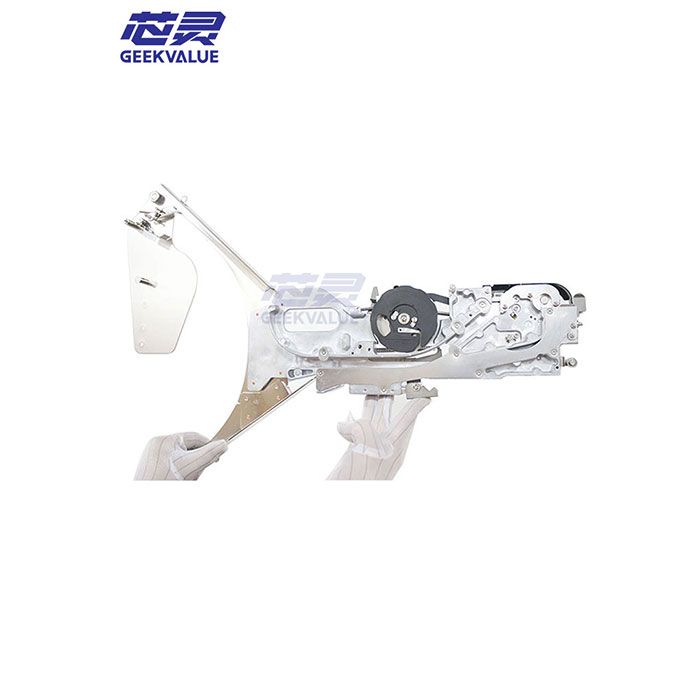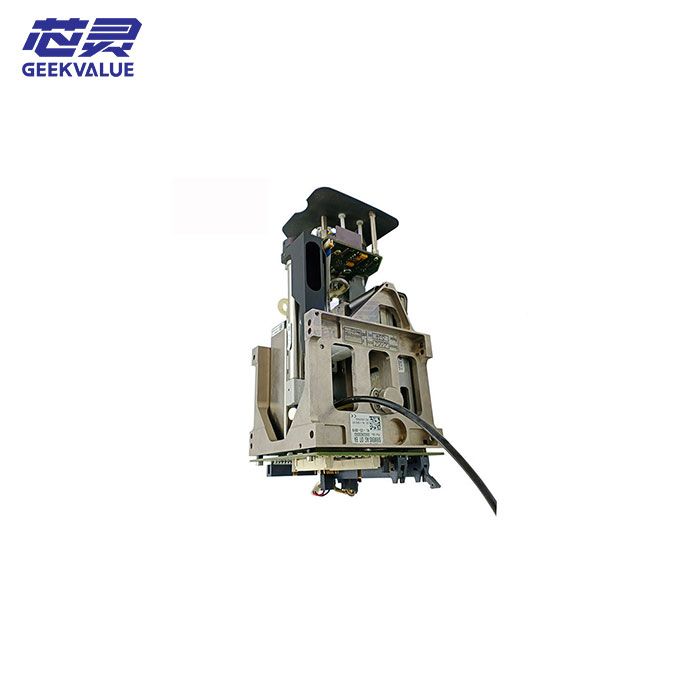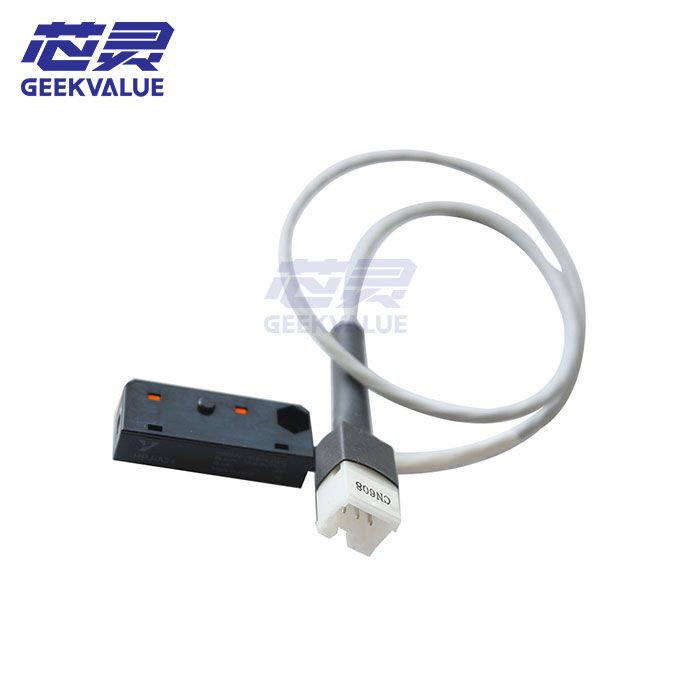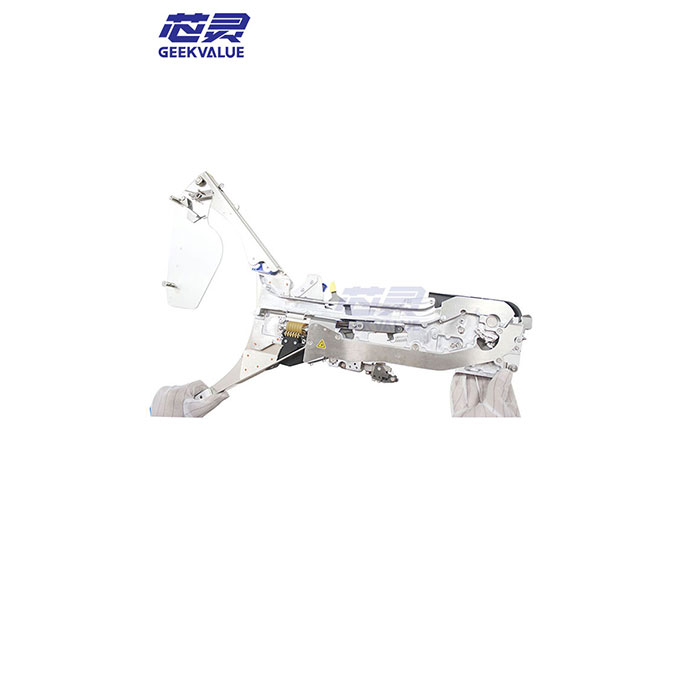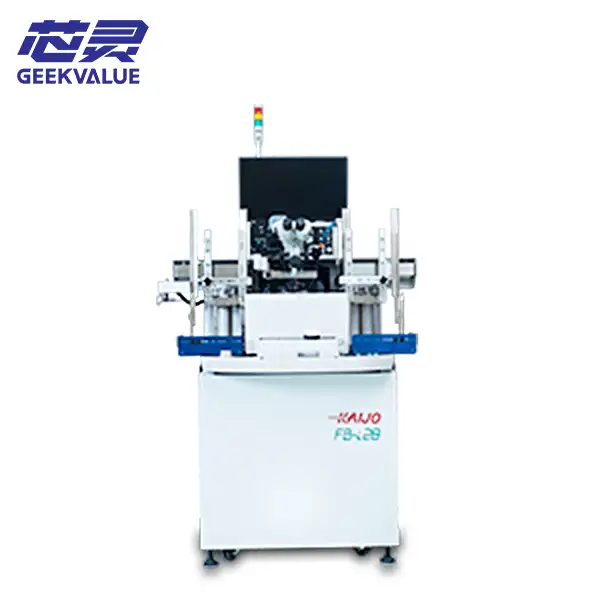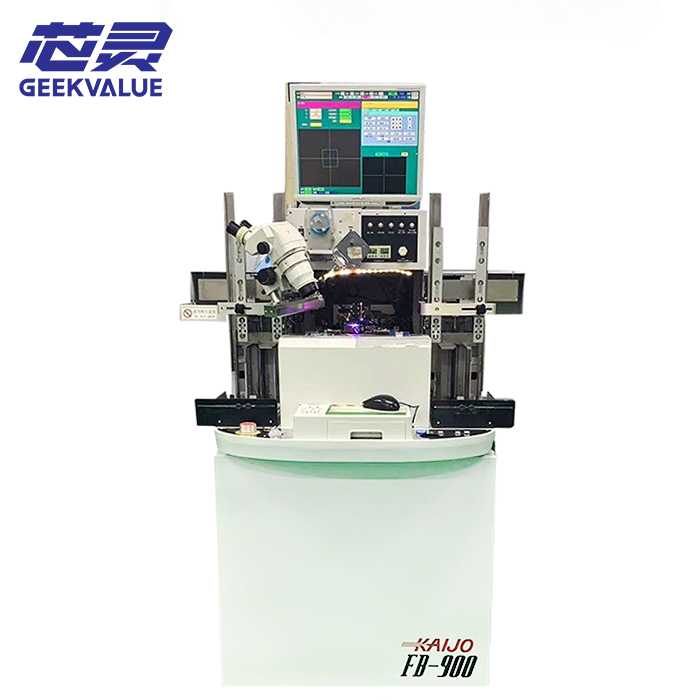
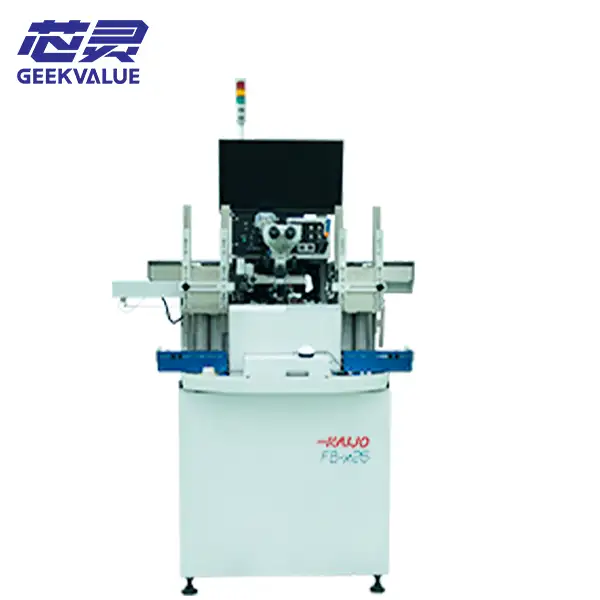
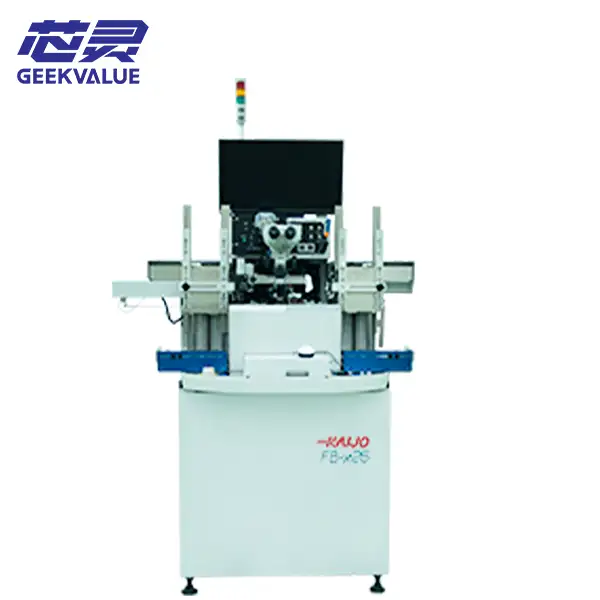
 The KAIJO FB-x26 is a wide-area, high-precision fully automatic thermo-ultrasonic wire bonding machine from KAIJO Japan. It is primarily designed for high-power modules, automotive electronics, large ICs, and long-distance wire bonding applications. Its core advantages include a 95mm ultra-large Y-axis bonding area, a high-rigidity, lightweight Z-arm, low impact pressure, and long-arc stability. It can also be directly derived into the FB-x26 BUMP wafer bumping machine, making it a mainstay device for power and advanced packaging.
I. Positioning and Core Applications
Positioning: Fully automatic thermo-ultrasonic ball bonding/wedge bonding machine, wide-area, long-arc, high-precision dedicated model.
Typical Applications:
Power Semiconductors: IGBTs, MOSFETs, SiC/GaN power modules (long leads, large frame).
Automotive Electronics: Automotive MCUs, power management ICs, automotive lighting/sensor packaging.
Large ICs: Memory, SoCs, high-pin-count ASICs (frame width up to 105mm).
Advanced Packaging: Stud Bump, Multi-chip Stacking, Long-Distance Arc (up to 12mm).
Compatible Wires: Gold wire (Φ15–30μm), Copper wire (Φ20–30μm), Silver alloy wire (optional).
II. Core Specifications (2026 Mainstream Configuration)
Bonding Area: 56mm (X) × 95mm (Y); Maximum frame width 105mm.
Working Area: 295mm × 105mm (for large substrates/trays).
Bonding Speed: Typical 0.045–0.055 sec/line (1090–1333 lines/min).
Repeatability: ±2.5μm (3σ); Minimum pad spacing 35μm.
Line Length/Arc Height: Maximum line length 12mm; Arc height 0.5–5mm (controllable). Welding methods: Thermo-sonic ball bonding/wedge bonding; dual-frequency ultrasonic (standard).
Body dimensions (W×D×H): Approx. 1200×800×1600mm; Weight approx. 850kg.
III. Structure and Key Technologies
1. High-rigidity lightweight welding head (core selling point)
Composite material swing arm: High rigidity + low inertia, minimal vibration during high-speed movement, 40% improvement in long-arc stability.
Type 1701 ultra-miniature resonator: Stable output, low thermal drift, compatible with copper/silver alloy wires, low-pressure welding (≤1.5N), protecting thin chips/brittle substrates.
High-speed contact detection: Real-time pressure feedback, bonding pressure control accuracy ±0.1N, reducing the risk of chip cracking.
2. α-Eye vision system
Next-generation recognition algorithm: Anti-reflective, anti-color difference, recognition accuracy ±1μm, low-contrast/dirty substrate recognition rate ≥99.9%.
Multi-template learning: Supports complex pins, irregularly shaped pads, and dense arrays, automatically correcting offset/rotation.
3. Step Bond Sequence (Visualized Step-by-Step Bonding): Full-process parameter visualization: Segmented adjustable ultrasonic power, pressure, time, and temperature for precise control of ball diameter, wedge width, and wire arc shape.
Dedicated long/high arc process library: Stable wire bonding over ultra-long distances of 10–12mm, without wire collapse/breakage.
4. Automation and Connectivity: Fully automatic loading and unloading: 25-piece material boxes × 2, automatic wire threading, automatic pin cleaning, and automatic capillary cleaning.
Industry 4.0 standard features: SECS/GEM, KISS (KAIJO Equipment Management System), real-time monitoring, traceability, and remote diagnostics.
Windows 10 touch interface: 15-inch large screen, icon-based operation, one-click parameter recall, yield statistics, and anomaly alarms.
IV. FB-x26 BUMP Derivative Series
FB-x26 BUMP1: Fully automated 6-inch wafer bumping (Stud Bump), automatic loading and unloading, bump height 5–50μm, accuracy ±1μm.
FB-x26 BUMP2/BUMP3: Semi-automatic 8-inch wafer bumping, compatible with advanced packaging (WLCSP, Fan-out).
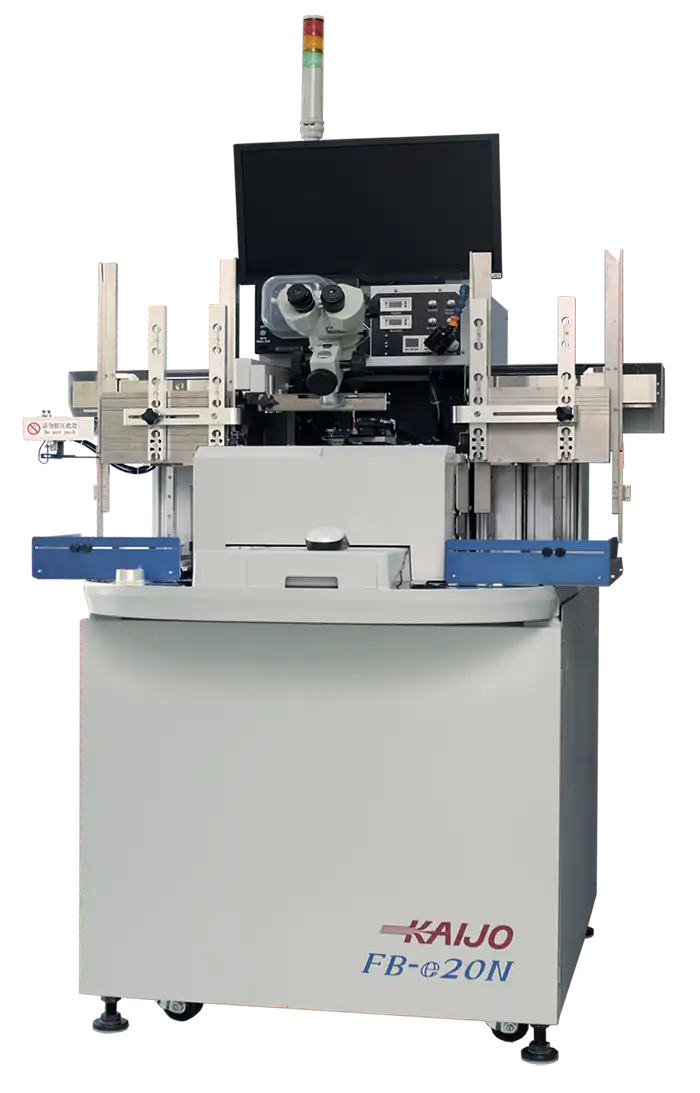
V. Advantages Comparison (vs. Mainstream General-Purpose Machine FB-e20N)
Soldering Area: x26 95mm (Y) vs e20N 80mm (Y) → Preferred for large frames/long arcs.
Soldering Head: x26 high rigidity and lightweight + low impact vs e20N standard rigidity → More stable for thin chips/power modules.
Wire Length: x26 12mm vs e20N 8mm → The only choice for long-distance wire bonding.
Accuracy: x26 ±2.5μm vs e20N ±3.0μm → Higher yield.
Speed: x26 slightly slower (suitable for long arcs) vs e20N faster (for short-arc mass production).
VI. Summary and Selection Recommendations
Core Values: Wide area, long arc, low impact, high precision, solving the pain points of wire bonding in power modules/large ICs, yield ≥99.5%.
Selection Recommendations:
Power modules, automotive electronics, long-distance wire bonding → FB-x26
6–8 inch wafer bumping → FB-x26 BUMP1/2/3
High-speed short-arc mass production (LEDs/discrete devices) → Choose FB-e20N