ave up to 70% on SMT Parts – In Stock & Ready to Ship

Get Quote →
Die Bonding Process and Equipment Matching

Die Bonding Process Selection

Not sure which die attach process fits your product? Start with epoxy, soft solder or eutectic bonding, then compare machines configured for that process.

Process Route Selection

Choose the Attach Process Before Comparing Machines

Epoxy routes depend on dispensing and bond-line control, while soft solder and eutectic routes place more weight on solder presentation, thermal control and atmosphere. These differences determine which installed process package is worth reviewing.

01 / Adhesive Route

Epoxy and Adhesive Die Attach

Epoxy and silver-filled adhesive routes are common where material must be dispensed before placement. The practical question is not only whether a machine can place the die, but whether its dispensing, workholding and curing setup can maintain the bond line your product needs.

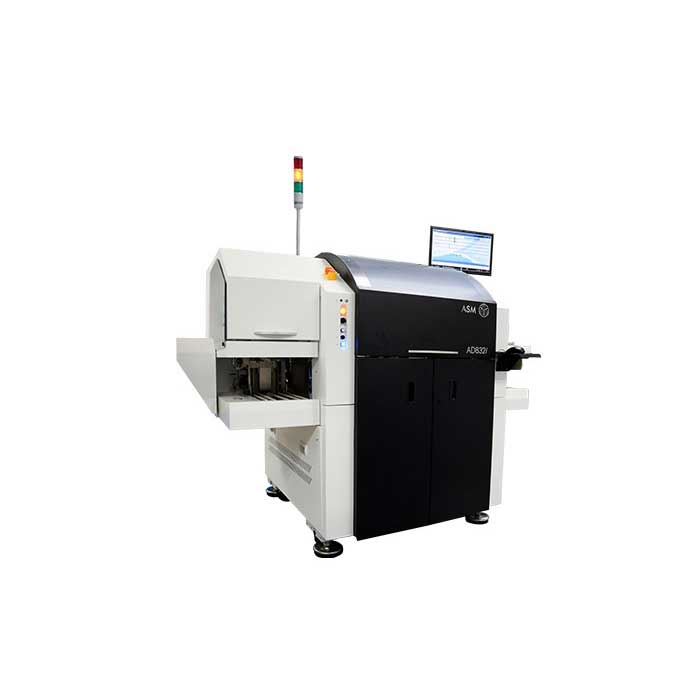
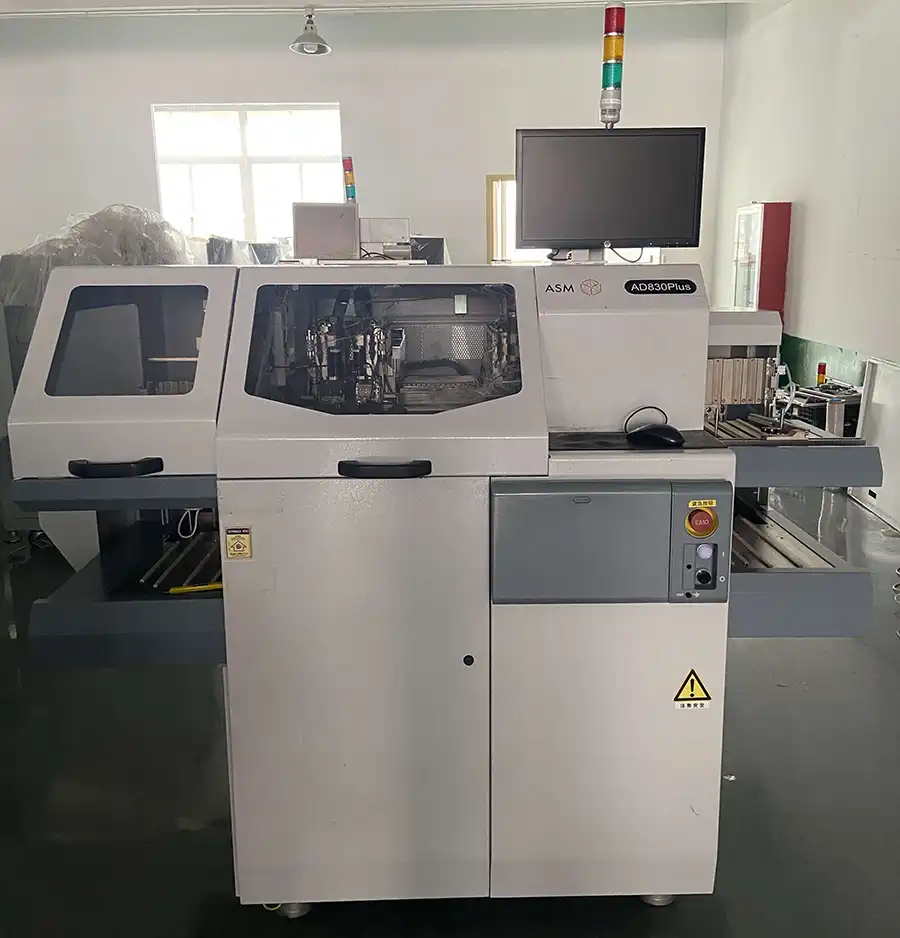
See a representative epoxy die bonder: ASMPT AD832i
02 / Solder Route

Soft Solder Die Attach

Soft solder projects depend on more than a heated bond stage. The machine must present the solder consistently, control the thermal profile and handle the substrate without disrupting the joint or introducing contamination.

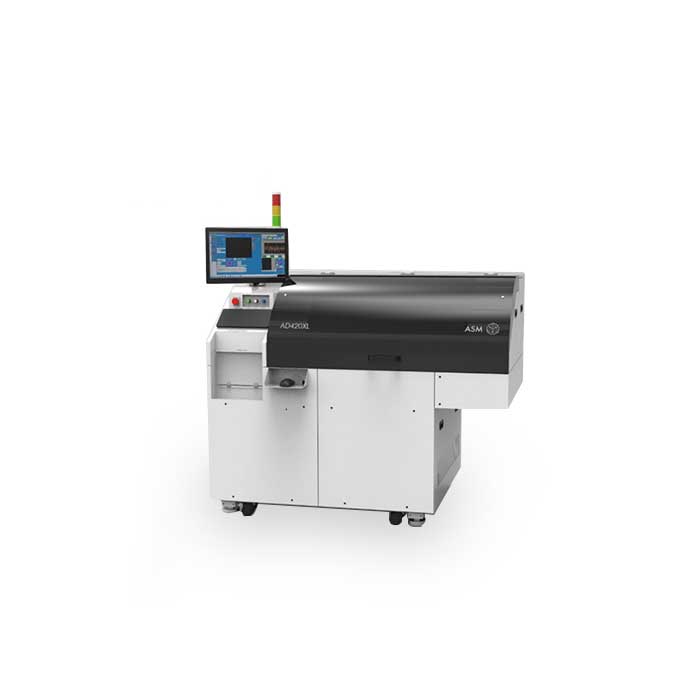
See a representative soft solder die bonder: ASMPT SD8312
03 / Eutectic Route

Eutectic Die Bonding

Eutectic bonding brings temperature, force, atmosphere and alignment into the same controlled cycle. It is usually the installed process package, rather than the platform name alone, that determines whether the machine is a realistic candidate.

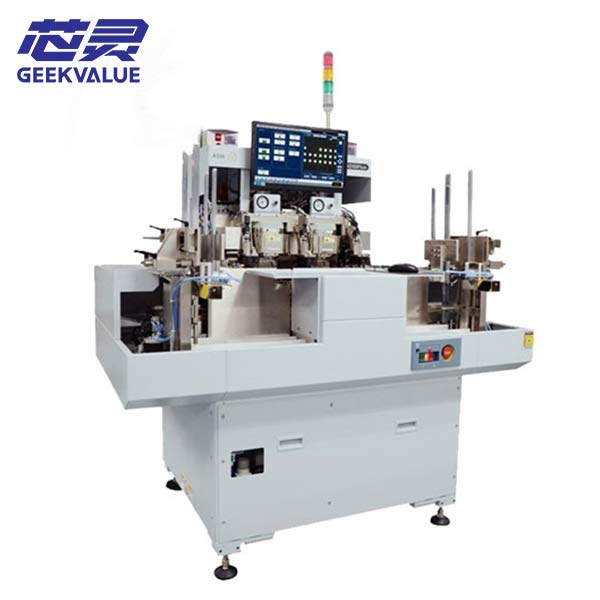
See a representative eutectic die bonder: ASMPT AD211 Plus
Current Equipment

Current Die Bonding Machines

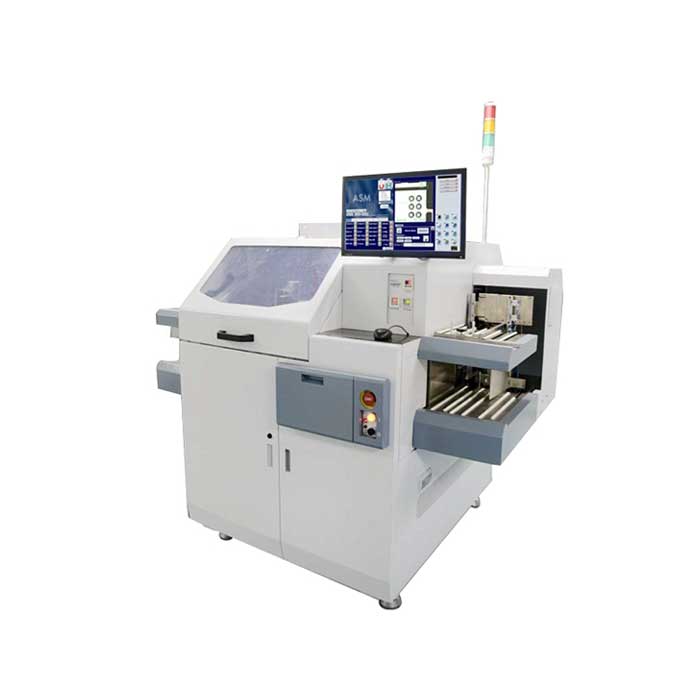
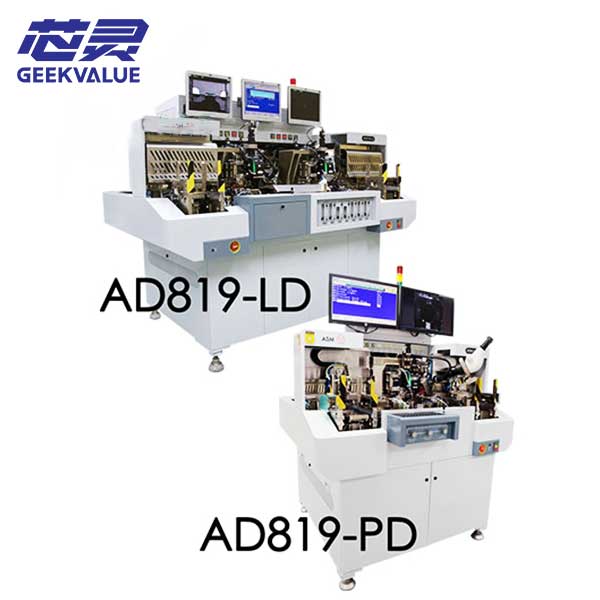
Start with the machines currently listed by All-SMT, then open the relevant model pages for photos, available information and enquiry details.

Current listings are starting points, not automatic matches. Once the attach route is clear, the next task is to compare the installed material system, handling, software, tooling and delivery scope on each actual unit. Compare actual machine configurations
Project Conditions After Process Selection

Confirm the Product Conditions After Choosing the Attach Route

Epoxy, soft solder or eutectic selection sets the process direction. These product and production conditions then define what the machine-matching step must verify on the actual equipment.

01 / Placement

Die Size and Alignment Target

Smaller die, tighter placement tolerance and more demanding orientation control refine the placement and vision requirements within the chosen attach route.

02 / Vision

Recognition and Process Control

Fiducials, die presentation, substrate variation and inspection needs define the recognition and process-control questions for the machine review.

03 / Handling

Wafer, Tray and Carrier Format

The way die and substrates enter the process defines the loading, indexing, workholding and tooling that must be present on the quoted unit.

04 / Production

Throughput and Automation Level

Prototype, mixed-product and volume production environments set different expectations for flexibility, cycle evidence and integrated handling.

Adjacent Advanced Packaging Route

Does the Project Use Face-Down Interconnects?

Flip chip uses a different equipment route with bump alignment, force, temperature and interconnect control. Review it through the dedicated category rather than treating it as conventional die attach.

Explore Flip Chip Bonders
Die Bonding Questions

Questions That Still Matter at Machine Level

The terms are often used for attaching a semiconductor die to a substrate, lead frame, carrier or package. The correct equipment route still depends on the attach process and the configuration required for the product.

Some platforms can support more than one process family, but that does not mean every machine is configured for all three. Check the installed bonding head, material and thermal system, together with the related tooling, software and handling setup.

The decision depends on product mix, expected volume, changeover frequency, handling format and integration needs. A high-volume platform may prioritize cycle time and dedicated automation, while a flexible platform may be better for mixed products, development or frequent setup changes.

Do not stop at the model name or bonding head. Confirm the installed process package, software, handling, tooling, machine condition and delivery scope, because a suitable platform may still need reconfiguration before it can run your product.

Move from Process to Machine

Turn the Attach Process into a More Relevant Machine Shortlist

Share your die size, carrier or substrate, attach material, handling method and target output. We will review the available machines, identify the closest candidates and highlight the configuration points that still need confirmation.

Why do so many people choose to work with GeekValue?

Our brand is spreading from city to city, and countless people have asked me, "What is GeekValue?" It stems from a simple vision: to empower Chinese innovation with cutting-edge technology. This is a brand spirit of continuous improvement, hidden in our relentless pursuit of detail and the delight of exceeding expectations with every delivery. This almost obsessive craftsmanship and dedication is not only the persistence of our founders, but also the essence and warmth of our brand. We hope you will start here and give us an opportunity to create perfection. Let us work together to create the next "zero defect" miracle.

Details

Contact a sales expert

Reach out to our sales team to explore customized solutions that perfectly meet your business needs and address any questions you may have.

Sales Request

Follow Us

Stay connected with us to discover the latest innovations, exclusive offers, and insights that will elevate your business to the next level.

kfweixin

Scan to add WeChat

Request Quote