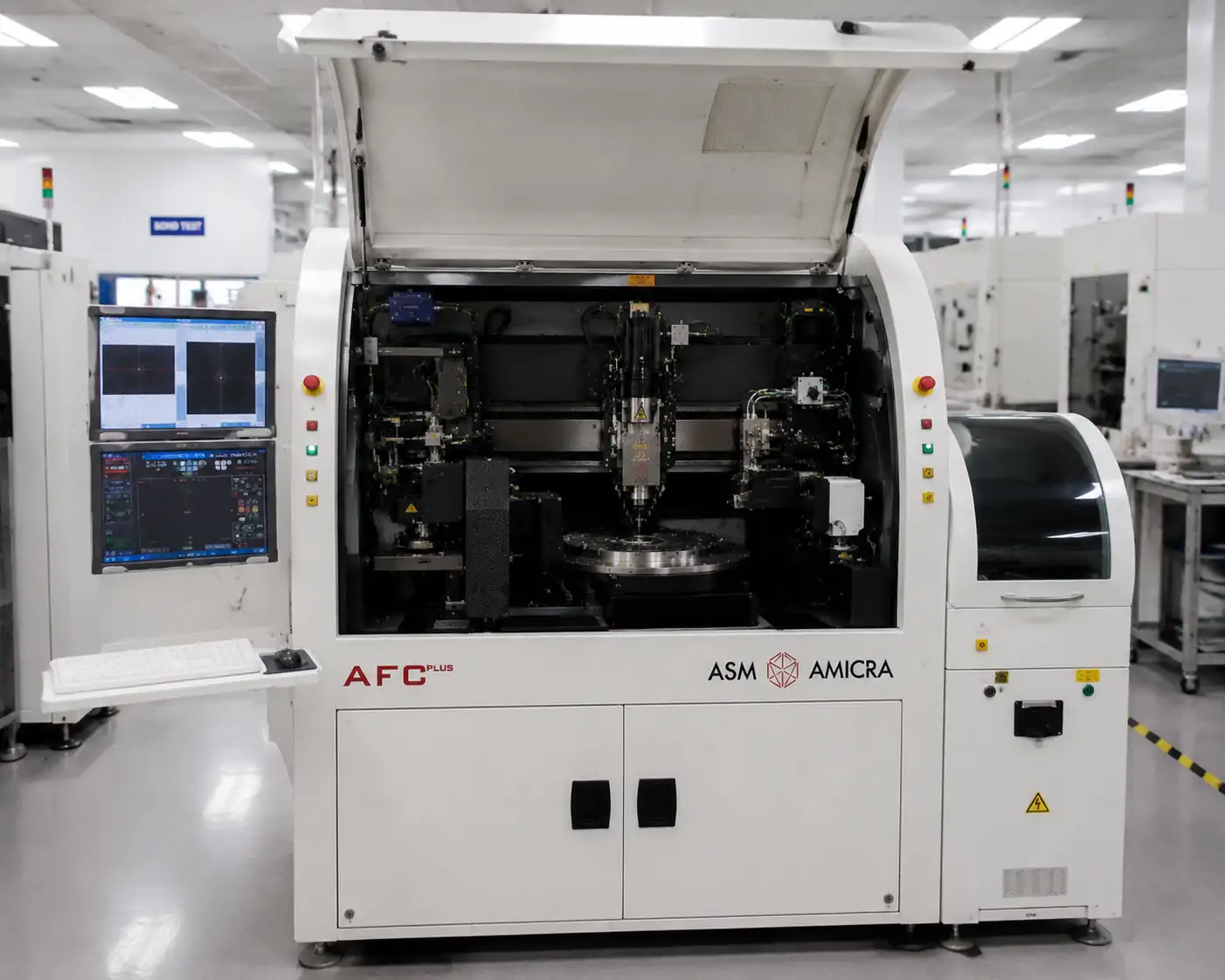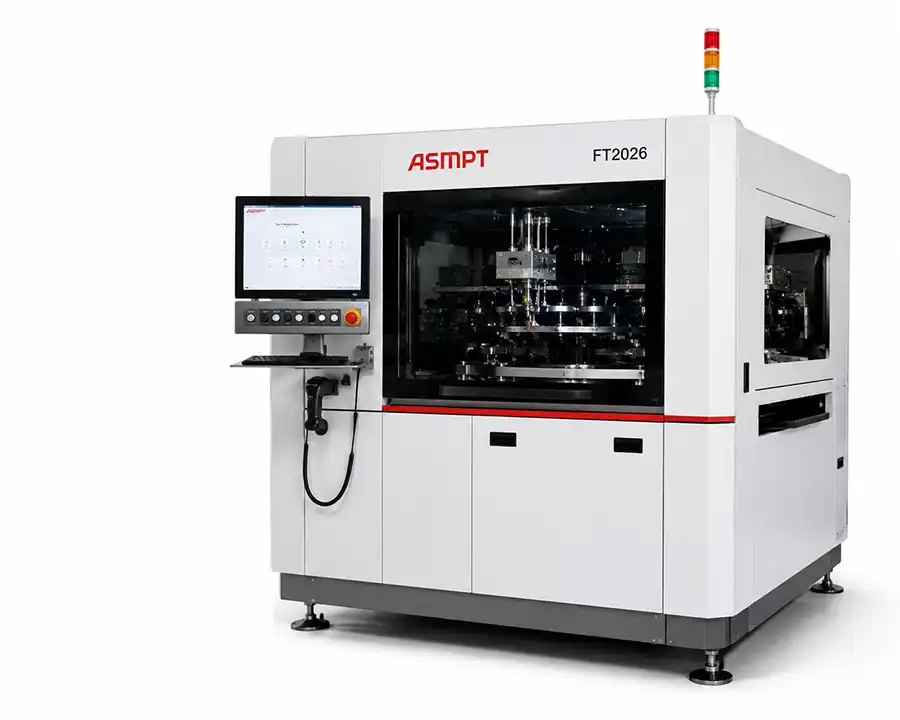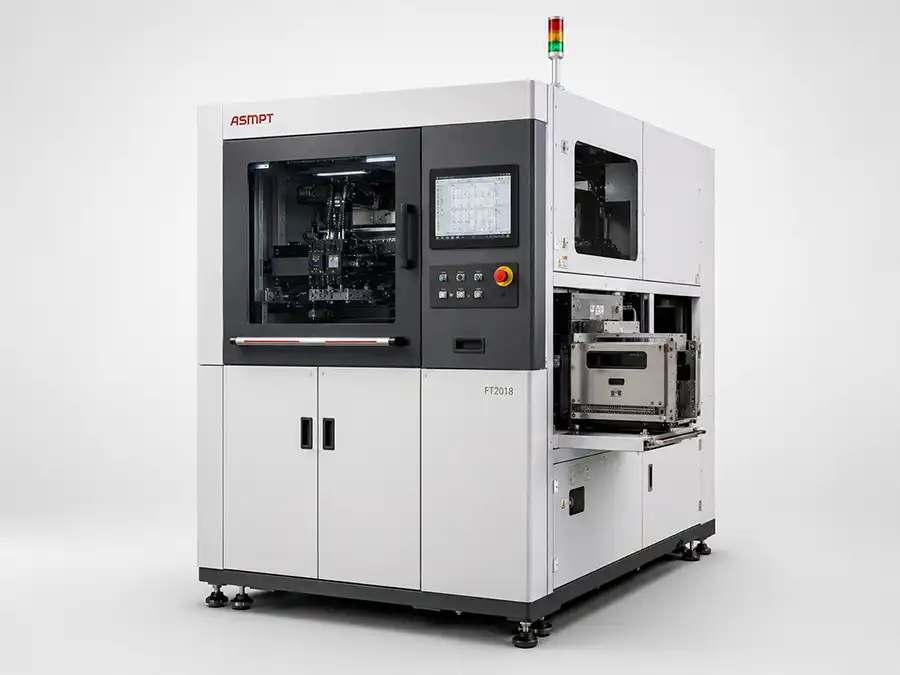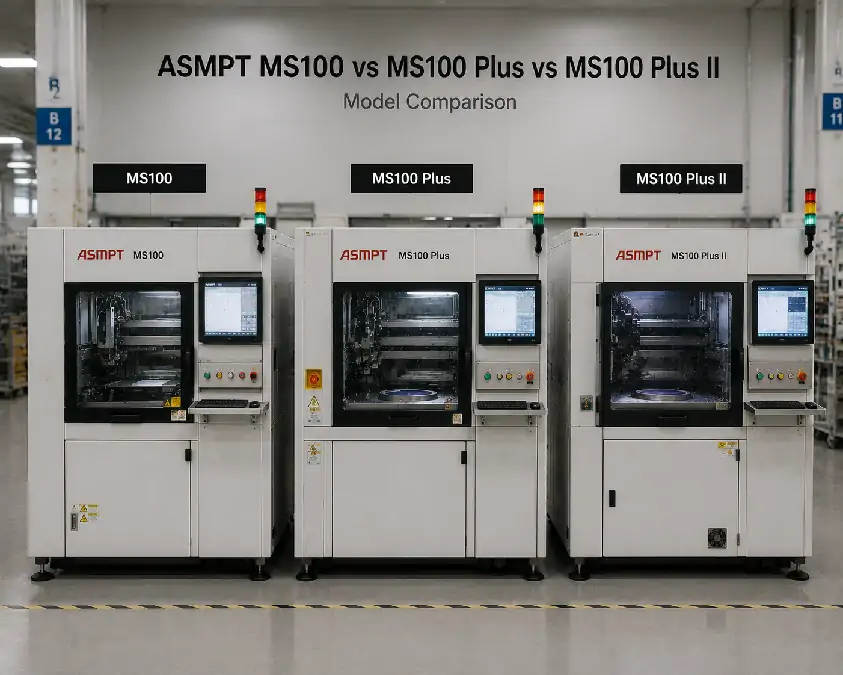
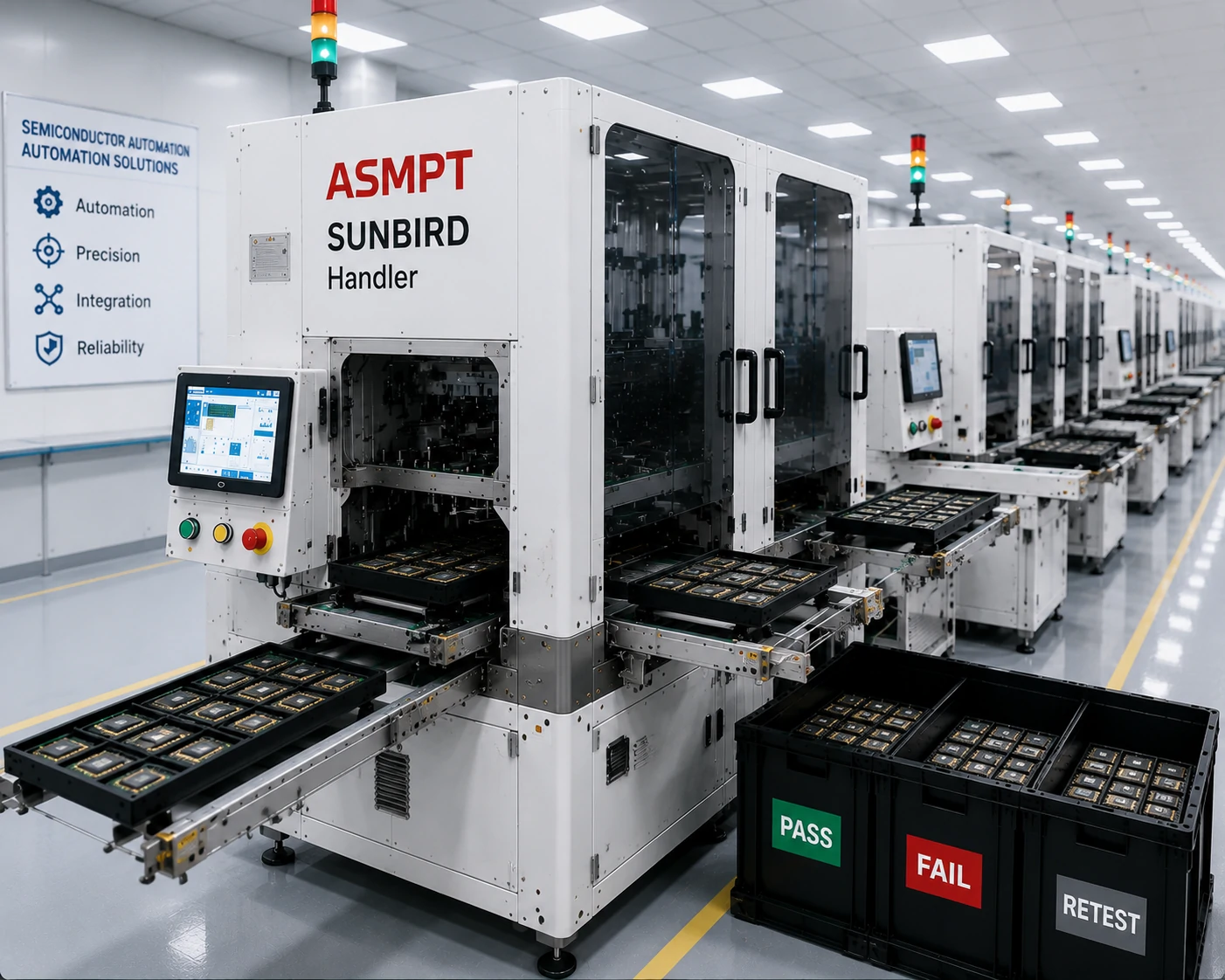
As semiconductor manufacturing continues to move toward higher levels of automation, efficient device handling has become an essential part of modern production workflows. The ASMPT Sunbird Handler is a semiconductor automation solution designed to support automated device movement, testing processes, and manufacturing operations.
Semiconductor handlers serve as an important connection point between device production processes and testing systems. They help manufacturers manage semiconductor device transportation, positioning, sorting, and workflow coordination while maintaining consistent production conditions.
Unlike simple material transportation systems, modern semiconductor handlers are integrated automation solutions that support testing efficiency, production stability, and manufacturing scalability.
This article explains ASMPT Sunbird Handler technology, how semiconductor handlers operate, the key capabilities of automated handling systems, application scenarios, and important factors engineers should consider when evaluating semiconductor automation equipment.
What Is ASMPT Sunbird Handler?
ASMPT Sunbird Handler is an automated semiconductor handling system designed to manage semiconductor devices during production and testing workflows. The system supports controlled device movement, accurate positioning, and workflow coordination between semiconductor processes and testing equipment.
In semiconductor manufacturing, devices must pass through multiple stages after fabrication and packaging. These stages require reliable movement and positioning because even small variations can influence testing consistency and production efficiency.
A semiconductor handler helps manufacturers automate critical operations including:
Device loading and transportation
Precise device positioning
Connection with testing systems
Sorting and output management
Production workflow coordination
For semiconductor factories, handling equipment is not only a transportation solution. It is an important part of overall manufacturing automation that helps improve process control, reduce manual operations, and support stable production environments.
The Purpose of Semiconductor Handlers
A semiconductor handler is designed to automate the movement and management of semiconductor devices during manufacturing and testing processes.
The main purposes of semiconductor handlers include:
Automated device transportation:Moving semiconductor devices between different production stages with controlled operation.
Positioning control:Ensuring devices are accurately aligned for testing or processing operations.
Workflow integration:Connecting handling processes with semiconductor testing and factory systems.
Production consistency:Supporting repeatable manufacturing processes through automation.
By providing controlled material movement, semiconductor handlers help manufacturers create more organized and reliable production environments.
The Role of Automated Handling in Testing Processes
Testing is a critical stage in semiconductor manufacturing because devices must be evaluated for electrical performance, functionality, and quality before final production release.
Automated handlers support testing processes by transferring devices between handling stations and semiconductor testing equipment.
In testing environments, automated handling helps with:
Device transfer and positioning
Coordination between handling systems and testing equipment
Reduction of manual operation requirements
Maintaining stable testing workflows
Supporting continuous production processes
The relationship between handling accuracy and testing consistency makes semiconductor handlers an important component of modern IC testing equipment systems.
How ASMPT Sunbird Handler Works
The operation of ASMPT Sunbird Handler can be understood as a sequence of automated material handling processes. The system manages semiconductor devices from input through processing and final output organization.
Although different semiconductor automation solutions may use different architectures, automated handlers generally include several core processes:
Device loading
Controlled transportation
Positioning and alignment
Testing process coordination
Sorting and output handling
Device Loading and Transportation
The first stage of semiconductor handling is introducing devices into the automated workflow.
ASMPT Sunbird Handler manages device loading and transportation through controlled movement processes, helping ensure semiconductor products are transferred consistently between different production stages.
Important engineering considerations include:
Stable device input processes
Controlled material movement
Compatibility with semiconductor packages
Protection of devices during transportation
Efficient transportation is important because inconsistent movement may affect production organization and downstream manufacturing processes.
Testing Position Control
Precise positioning is one of the most important requirements in semiconductor handling operations. Devices must be accurately aligned when interacting with testing systems or other manufacturing equipment.
Position control affects:
Device alignment accuracy
Repeatability between operations
Testing process consistency
Production stability
Reliable positioning helps semiconductor manufacturers maintain controlled production conditions and support consistent testing performance.
Sorting and Output Handling
After processing or testing operations, semiconductor devices need to be organized for the next manufacturing stage.
Automated output handling supports:
Device classification and organization
Efficient material flow management
Continuation of automated production workflows
Improved factory process coordination
This allows semiconductor factories to maintain smoother connections between testing operations and downstream manufacturing activities.
ASMPT Sunbird Handler Technology Architecture
Understanding the technology architecture behind ASMPT Sunbird Handler helps engineers evaluate how semiconductor automation systems support production requirements.
A modern semiconductor handler typically combines multiple technology areas, including mechanical handling systems, automation control, testing integration, and production workflow management.
Automated Handling Mechanism
The handling mechanism controls semiconductor device movement throughout production and testing processes.
Its performance influences:
Device transfer accuracy
Movement stability
Repeatability during production cycles
Device protection
A stable handling mechanism helps manufacturers maintain consistent device flow and reduce operational variation.
Automation Control System
The automation control system coordinates device movement, process timing, and workflow execution.
Important capabilities include:
Process coordination
Workflow control
Production monitoring
System communication
Effective automation control allows semiconductor manufacturers to operate more organized and predictable production workflows.
Testing and Manufacturing Integration
Semiconductor handlers operate as part of a larger manufacturing environment. Integration with testing systems and factory automation platforms is an important consideration.
Integration requirements may include:
Automated Test Equipment (ATE) compatibility
Factory automation connection
Manufacturing workflow coordination
Production data management
This integration enables manufacturers to build more efficient semiconductor automation systems.
Key Features of ASMPT Sunbird Handler
When evaluating ASMPT Sunbird Handler technology, semiconductor manufacturers typically focus on capabilities that influence production efficiency, automation performance, handling reliability, and long-term manufacturing value.
The most important evaluation areas include automation capability, handling accuracy, production stability, workflow integration, and adaptability to different semiconductor manufacturing requirements.
Automation Capability
Automation capability is one of the most important factors in modern semiconductor manufacturing. Automated handling systems reduce dependence on manual operations and help manufacturers establish more consistent production workflows.
Important automation capabilities include:
Automated device movement:Supporting continuous semiconductor device transfer between production stages.
Workflow coordination:Managing device movement sequences and production operations.
System integration:Connecting handling operations with testing equipment and factory automation systems.
Reduced manual intervention:Improving process consistency by reducing repetitive manual tasks.
For semiconductor factories processing large quantities of devices, automation capability supports production scalability and more predictable manufacturing performance.
Handling Accuracy and Stability
Semiconductor devices often require precise handling because package structures, device sizes, and testing requirements can vary significantly.
Handling accuracy affects:
Device positioning performance
Testing alignment accuracy
Repeatability between operations
Production process stability
Device protection during movement
Stable handling performance helps manufacturers maintain consistent workflows and reduce variation throughout semiconductor production processes.
Production Efficiency Improvement
Automated handlers support production efficiency by organizing device movement and reducing unnecessary workflow interruptions.
Manufacturing benefits may include:
Improved workflow coordination
More efficient material movement
Support for continuous production processes
Better utilization of automation systems
Reduced dependency on manual operations
Efficiency improvements depend on production requirements, equipment integration, and the overall manufacturing environment.
Performance Evaluation Factors for ASMPT Sunbird Handler
Evaluating semiconductor handling equipment requires more than understanding general features. Engineers should consider measurable performance factors that influence manufacturing efficiency and equipment value.
Throughput (UPH)
Throughput, commonly measured as Units Per Hour (UPH), represents the number of semiconductor devices that can be processed within a specific production period.
Throughput evaluation should consider:
Production volume requirements
Testing cycle time
Factory output targets
Future capacity expansion plans
High-volume semiconductor manufacturers often prioritize throughput because production capacity directly affects overall manufacturing efficiency.
Repeatability
Repeatability refers to the ability of a semiconductor handler to perform consistent movement and positioning operations across repeated production cycles.
High repeatability supports:
Stable device positioning
Consistent testing conditions
Reduced process variation
Improved quality management
For semiconductor production, repeatable handling performance helps manufacturers maintain predictable processes.
Equipment Availability
Equipment availability indicates how consistently a semiconductor handler can remain operational during scheduled production periods.
Important evaluation factors include:
System reliability
Preventive maintenance strategy
Technical support capability
Downtime management
Operational stability
High equipment availability helps manufacturers reduce production interruptions and maintain stable output.
Test Parallelism
Test parallelism refers to the ability of semiconductor testing systems to evaluate multiple devices simultaneously.
Manufacturers should evaluate whether the handler can support required testing capacity while maintaining stable handling performance.
Higher test parallelism can improve production efficiency in applications where large quantities of semiconductor devices require testing within limited production cycles.
Changeover Efficiency
Manufacturers producing multiple semiconductor products may require handling systems that can adapt efficiently between different device configurations.
Changeover efficiency influences:
Production flexibility
Equipment utilization
Product transition speed
Manufacturing responsiveness
Flexible production environments often evaluate changeover capability together with throughput and automation performance.
Applications of ASMPT Sunbird Handler
ASMPT Sunbird Handler applications are closely connected with semiconductor manufacturing requirements. Different device categories may require different handling capabilities depending on package structure, production scale, and testing complexity.
Memory Semiconductor Production
Memory semiconductor manufacturing is one of the major application areas for automated semiconductor handling systems. Because memory devices are often produced in large quantities, manufacturers require stable and efficient production workflows.
Important considerations include:
High-volume device processing
Continuous automated operation
Stable device transportation
Consistent production workflows
Automated handlers help memory manufacturers organize large-scale production activities while reducing manual movement requirements.
Logic IC Manufacturing
Logic IC production may involve different device structures, package types, and testing requirements. This creates demand for flexible handling solutions that can support changing production conditions.
Manufacturers should consider:
Device compatibility
Package diversity
Testing workflow requirements
Handling precision
Production flexibility
A suitable semiconductor handler helps logic IC manufacturers maintain efficient testing workflows while supporting product variation.
Automotive Semiconductor Applications
Automotive semiconductor production requires reliable testing processes because electronic components used in vehicles often require strict quality and reliability standards.
Important considerations include:
Long-term production stability
Consistent handling performance
Device protection
Production traceability
Automated handling systems support automotive semiconductor manufacturers by helping maintain controlled and repeatable production processes.
Consumer Electronics Semiconductor Production
Consumer electronics manufacturing requires semiconductor production systems that can support large volumes while adapting to changing product cycles.
Automated handlers help manufacturers improve:
Production throughput
Workflow efficiency
Device handling consistency
Manufacturing scalability
In these environments, flexibility and changeover efficiency may also become important selection considerations.
Advanced Package Handling
Advanced semiconductor packaging introduces new challenges for automated handling because devices may require higher precision and stronger process control.
Manufacturers should evaluate:
Package complexity
Handling accuracy requirements
Testing environment conditions
Future production scalability
Package Compatibility Considerations
Package structure is an important factor when evaluating semiconductor handling equipment. Different semiconductor packages may require different approaches to device movement, positioning accuracy, and testing integration.
Common semiconductor package types include:
QFN:Compact semiconductor packages requiring accurate positioning and controlled handling conditions.
BGA:Packages where alignment accuracy and reliable testing connections are important.
CSP:Small form-factor packages requiring careful device management and precise movement.
LGA:Packages with specific contact and handling requirements during testing processes.
Manufacturers should evaluate package compatibility together with testing requirements, production volume, and device characteristics to determine whether a semiconductor handler is suitable for their manufacturing environment.
Application Matching Framework for ASMPT Sunbird Handler Selection
Selecting the right semiconductor handler requires matching equipment capabilities with actual manufacturing requirements. A suitable solution should support current production needs while providing flexibility for future semiconductor technology development.
Step 1: Identify Device Requirements
The first step is understanding the semiconductor devices that will be processed.
Manufacturers should evaluate:
Device category
Package structure
Testing requirements
Mechanical handling conditions
Future product plans
Step 2: Evaluate Production Scale
Production volume strongly influences semiconductor equipment selection.
High-volume manufacturing environments usually prioritize:
High throughput
Stable automation
Continuous operation
Equipment availability
Flexible production environments may place more importance on:
Changeover efficiency
Device compatibility
Production adaptability
Step 3: Review Testing Workflow Requirements
A semiconductor handler should be evaluated as part of a complete testing workflow rather than as an independent machine.
Important considerations include:
Testing process stages
Integration with semiconductor testing equipment
Required handling accuracy
Automation level
Production workflow compatibility
Step 4: Consider Long-Term Operation
Long-term equipment value depends on more than initial capability. Manufacturers should also consider maintenance, support, and lifecycle requirements.
Important factors include:
Maintenance strategy
Spare parts availability
Technical support
Future production flexibility
Integration With Semiconductor Manufacturing Systems
Modern semiconductor factories rely on connected automation systems. ASMPT Sunbird Handler should be evaluated as part of a larger semiconductor manufacturing environment.
Automated Test Equipment (ATE) Integration
A semiconductor handler works together with Automated Test Equipment (ATE) to support electrical and functional testing operations.
ATE integration supports:
Coordinated device transfer
Stable testing workflows
Improved production efficiency
Reduced manual intervention
Effective communication between handling systems and testing equipment helps manufacturers maintain smoother production processes.
MES and Factory Automation Integration
Manufacturing Execution Systems (MES) and factory automation platforms play an important role in modern semiconductor production management.
Integration with manufacturing systems can support:
Production data tracking
Process monitoring
Manufacturing traceability
Workflow optimization
Production management improvement
For advanced semiconductor manufacturing environments, automation integration capability is an important consideration when selecting handling equipment.
Long-Term Operation and Maintenance Considerations
Equipment selection should consider not only current production requirements but also long-term operational stability. Semiconductor manufacturers need solutions that can maintain reliable performance throughout the equipment lifecycle.
Preventive Maintenance
Preventive maintenance helps manufacturers maintain equipment performance and reduce unexpected production interruptions.
Important maintenance activities include:
Equipment inspection
Cleaning procedures
Calibration management
Performance monitoring
Maintenance scheduling
Spare Parts and Technical Support
Spare parts availability and technical support are important factors because semiconductor production environments require high equipment availability.
Manufacturers should evaluate:
Critical component availability
Supplier support capability
Maintenance response process
Long-term service planning
Total Cost of Ownership (TCO)
The value of ASMPT Sunbird Handler should be evaluated beyond initial equipment cost. Long-term operating factors can significantly influence the overall value of semiconductor automation equipment.
A complete TCO evaluation may include:
Initial equipment investment
Maintenance requirements
Spare parts costs
Downtime impact
Operational lifetime
Future upgrade possibilities
Considering total lifecycle value helps manufacturers make more informed semiconductor equipment investment decisions.
Frequently Asked Questions
What is ASMPT Sunbird Handler?
ASMPT Sunbird Handler is an automated semiconductor handling system designed to support device movement, positioning, workflow coordination, and manufacturing automation processes.
What processes does ASMPT Sunbird Handler automate?
ASMPT Sunbird Handler can support automated device transportation, positioning, testing workflow coordination, sorting, and output management within semiconductor manufacturing environments.
What applications use ASMPT Sunbird Handler?
ASMPT Sunbird Handler applications may include memory semiconductor production, logic IC manufacturing, automotive semiconductor applications, consumer electronics semiconductor production, and advanced package handling environments.
What factors should engineers evaluate when selecting a semiconductor handler?
Important evaluation factors include device compatibility, package requirements, production volume, throughput, repeatability, equipment availability, testing workflow integration, maintenance requirements, and long-term operational goals.
How does automation improve semiconductor manufacturing?
Automation improves semiconductor manufacturing by reducing manual operations, improving device handling consistency, supporting stable workflows, and helping manufacturers build scalable production systems.
How does ASMPT Sunbird Handler integrate with semiconductor factories?
ASMPT Sunbird Handler can be evaluated for integration with semiconductor testing equipment, Automated Test Equipment (ATE), Manufacturing Execution Systems (MES), and factory automation platforms.
Conclusion
The ASMPT Sunbird Handler represents an important part of semiconductor automation by supporting device handling, workflow coordination, and production process optimization.
Understanding semiconductor handler technology, application scenarios, performance evaluation factors, and selection considerations helps engineers and manufacturers better evaluate automation solutions for their production environments.
From memory semiconductor production and logic IC manufacturing to automotive applications, consumer electronics, and advanced package handling, automated semiconductor handlers provide important support for improving production consistency, efficiency, and operational stability.
A structured evaluation approach that considers device requirements, production goals, testing workflows, automation integration, maintenance planning, and lifecycle value enables semiconductor manufacturers to make more informed equipment decisions.