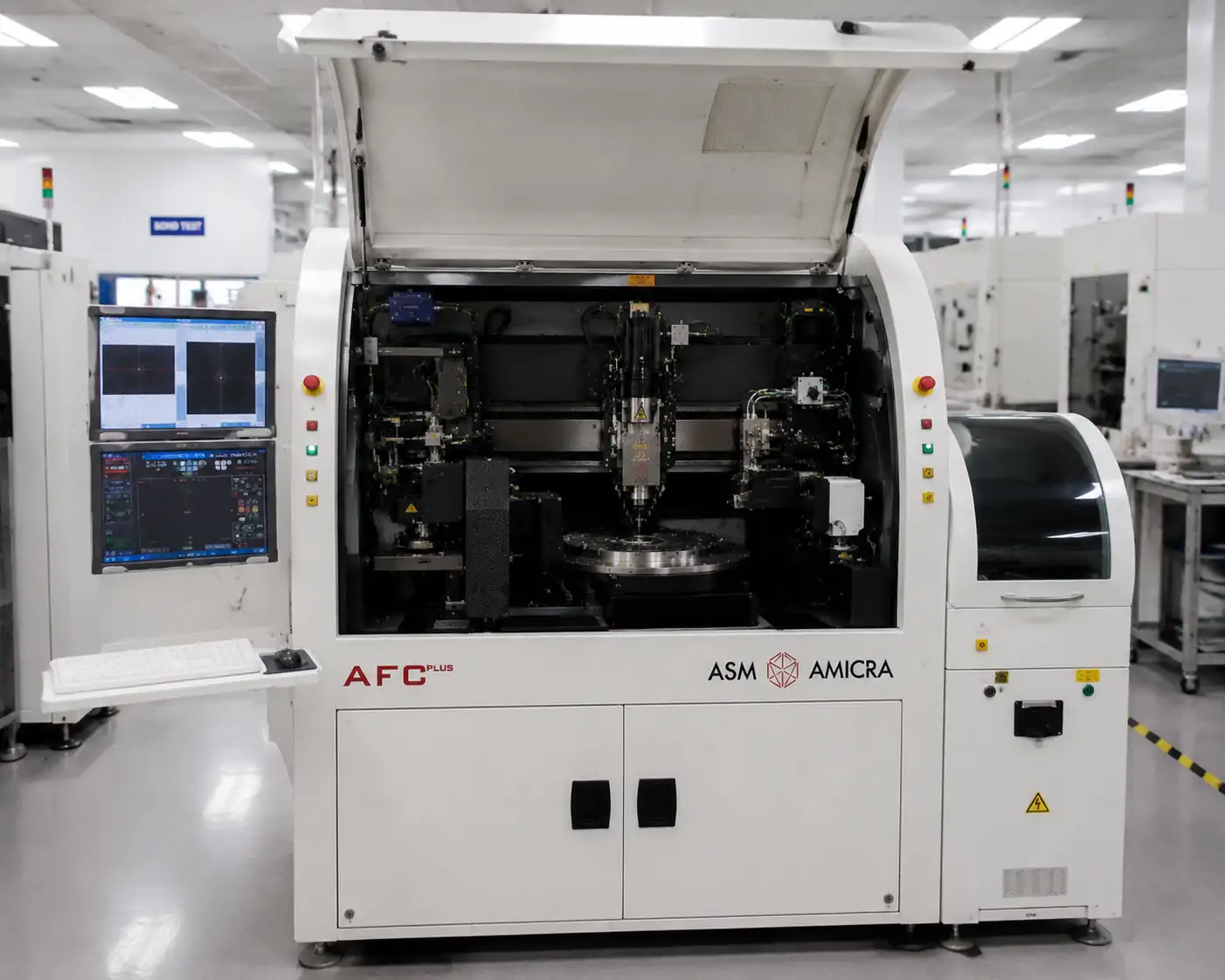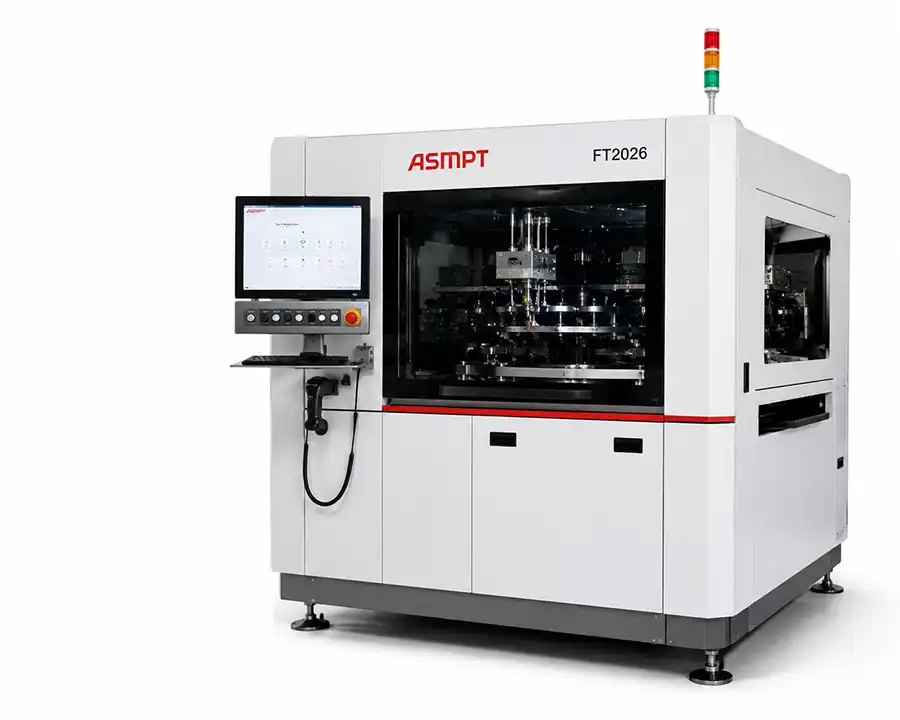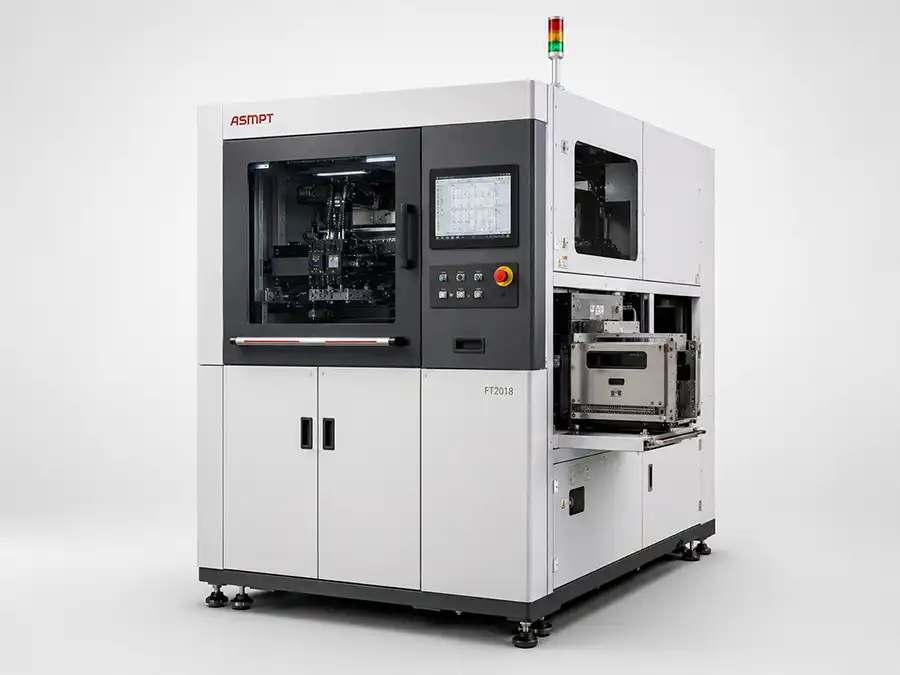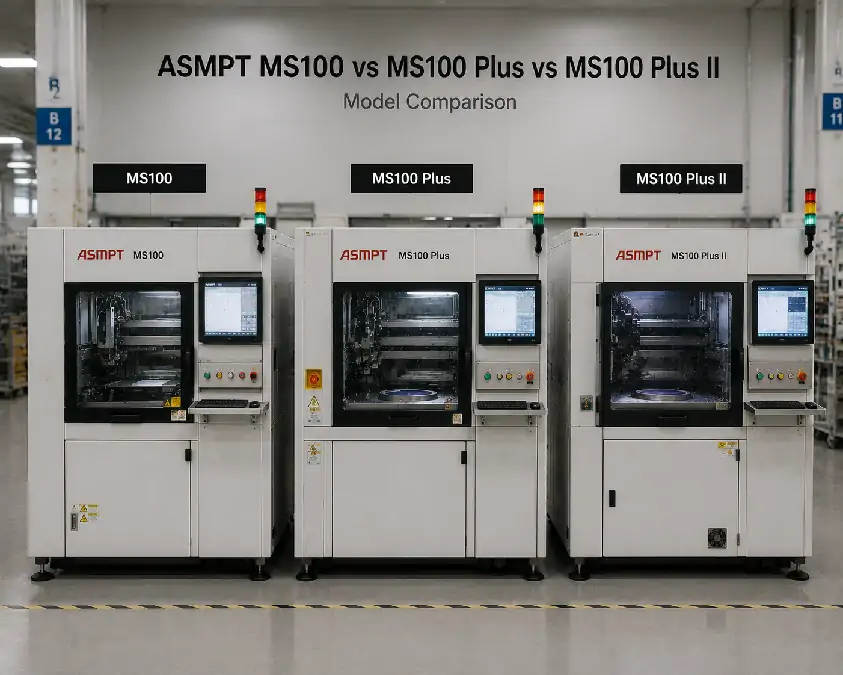
The semiconductor industry increasingly depends on advanced automation equipment to improve production consistency, testing efficiency, and manufacturing scalability. The keyword ASMPT Sunbird is commonly associated with ASMPT semiconductor equipment used in automated handling and testing environments.
For engineers, procurement teams, and maintenance professionals, understanding ASMPT Sunbird requires looking beyond a single machine function. Sunbird-related systems involve semiconductor handling technology, automation workflows, motion control components, testing processes, and equipment maintenance considerations.
This guide explains what ASMPT Sunbird represents, how it fits into semiconductor manufacturing, the role of handler technology, system architecture, common applications, related components, and important maintenance considerations.
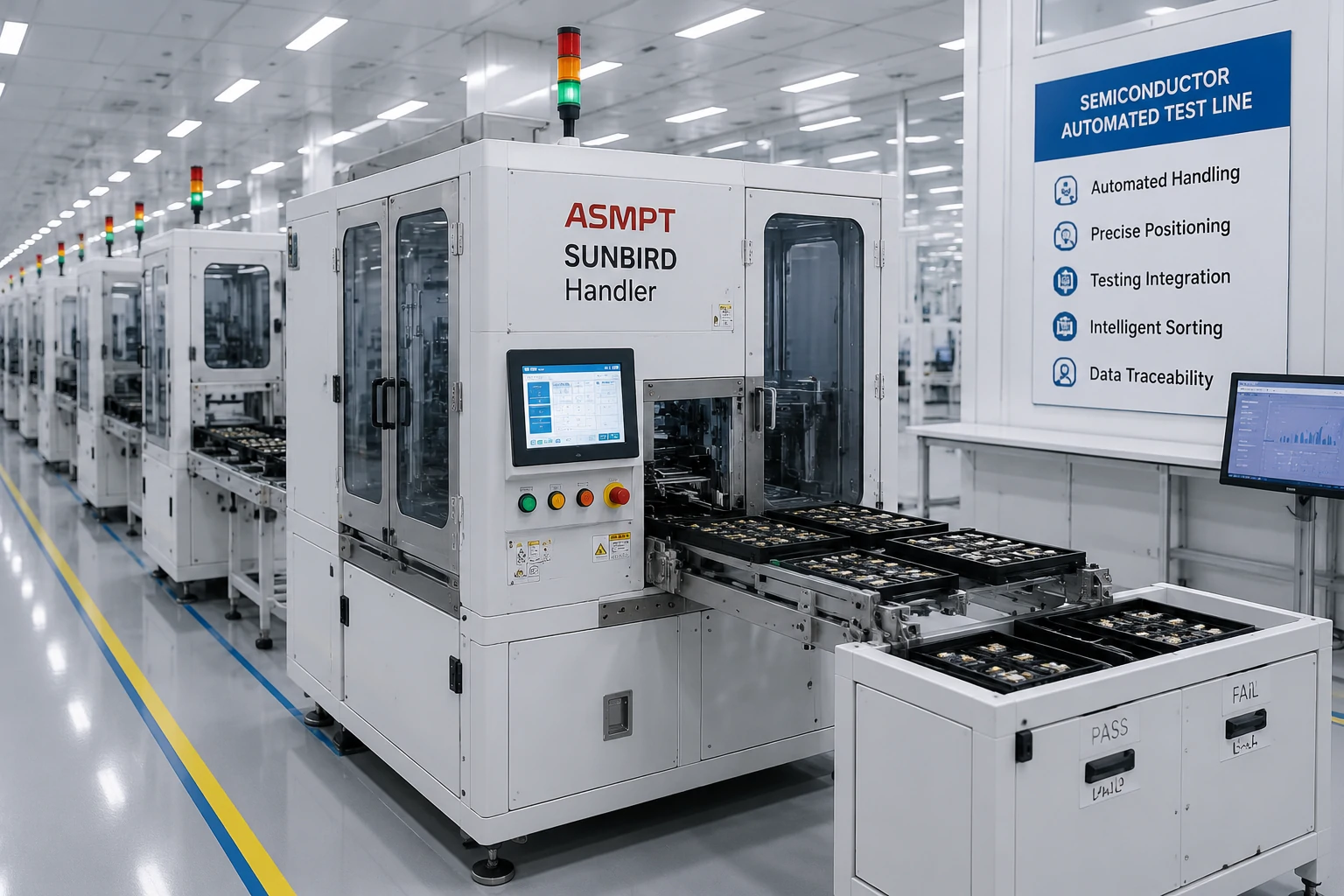
What Is ASMPT Sunbird?
ASMPT Sunbird refers to a semiconductor equipment platform associated with automated handling and testing processes. In semiconductor manufacturing environments, Sunbird-related systems support device movement, production workflow coordination, and automated equipment operation.
Rather than representing only one individual component, ASMPT Sunbird should be understood as part of a broader semiconductor automation environment where mechanical systems, electronic control modules, and production workflows operate together.
Modern semiconductor manufacturing requires highly controlled automation because devices must move through multiple production stages while maintaining accuracy, repeatability, and process stability.
ASMPT Semiconductor Equipment Context
ASMPT develops semiconductor manufacturing equipment designed to support automation requirements in advanced production environments.
Semiconductor equipment typically combines:
Mechanical handling systems
Electronic control modules
Motion control components
Automation software and workflow management
Communication systems
These systems work together to manage semiconductor production processes and help manufacturers improve efficiency, consistency, and operational control.
The Role of ASMPT Sunbird in Semiconductor Manufacturing
In semiconductor manufacturing, automated handling systems provide an important connection between device production stages and testing operations.
ASMPT Sunbird-related systems support manufacturing workflows by helping manage:
Automated semiconductor device handling
Testing workflow coordination
Material movement within production systems
Device positioning and transfer
Production process consistency
The importance of automated handling comes from the need to process large numbers of semiconductor devices while maintaining stable and repeatable manufacturing conditions.
ASMPT Sunbird System Architecture Overview
Understanding ASMPT Sunbird requires looking at how different equipment systems and components work together. Semiconductor automation equipment usually consists of multiple layers, from control systems to mechanical movement components.
Semiconductor Handling System
The handling system manages the physical movement of semiconductor devices during production and testing workflows.
Typical handling functions include:
Device loading
Controlled transportation
Position alignment
Sorting and output management
Workflow coordination
Accurate device handling is essential because semiconductor testing and manufacturing processes require stable positioning and repeatable operation.
Motion Control System
Motion control is an important part of semiconductor automation equipment. It allows machines to perform accurate and coordinated movement operations.
A simplified motion system can be understood as:
Controller:Provides operation commands and workflow instructions.
Driver:Processes control signals and manages operation of connected components.
Motor:Converts controlled electrical input into physical movement.
Mechanical Assembly:Transfers movement to the required machine mechanism.
Components such as CP Driver and CP Motor belong to this type of equipment motion ecosystem, where accurate coordination is required for reliable automation performance.
Testing Workflow Integration
Semiconductor testing requires accurate device management because products must be evaluated for electrical performance, functionality, and quality.
ASMPT Sunbird-related handling systems support testing workflows through:
Device transfer between handling and testing systems
Controlled positioning during testing operations
Production workflow coordination
Automated sorting processes
The connection between handling accuracy and testing consistency makes semiconductor handler technology an important part of automated manufacturing environments.
Production Workflow Management
Modern semiconductor factories require equipment systems that can operate as part of a connected manufacturing environment.
Production workflow management may involve:
Equipment communication
Factory automation integration
Manufacturing process monitoring
Production data coordination
Effective workflow management helps manufacturers improve production visibility and maintain more consistent manufacturing operations.
ASMPT Sunbird Handler Technology Overview
Handler technology is one of the key areas associated with ASMPT Sunbird because semiconductor devices require controlled movement, accurate positioning, and efficient production coordination.
A semiconductor handler system can generally be evaluated through several technology areas:
Automated Device Handling
Automated handling systems manage semiconductor devices throughout production workflows.
Important functions include:
Device loading
Device transportation
Position control
Output organization
Production workflow support
Automation helps manufacturers reduce manual operations and improve process consistency.
Precision Movement and Positioning
Semiconductor devices require accurate positioning because testing and manufacturing processes depend on controlled movement.
Important engineering considerations include:
Movement accuracy
Repeatability
Equipment coordination
Component compatibility
Stable positioning performance supports reliable semiconductor production processes.
Applications of ASMPT Sunbird Systems
ASMPT Sunbird-related systems are applied in semiconductor manufacturing environments where automated handling, testing coordination, and production workflow management are required.
The specific application depends on semiconductor device characteristics, production requirements, testing processes, and factory automation objectives.
Semiconductor Testing Applications
Semiconductor testing is one of the key areas where automated handling technology provides significant value.
Testing environments require:
Consistent device movement
Stable positioning during testing
Integration with semiconductor testing equipment
Efficient production workflows
Repeatable manufacturing processes
Automated handler systems help manufacturers organize testing operations and support stable semiconductor production environments.
Memory Semiconductor Production
Memory semiconductor manufacturing typically involves large production volumes, creating strong requirements for efficient and consistent automated handling.
In memory production environments, manufacturers often evaluate:
High-volume processing capability
Continuous automated operation
Stable device handling
Testing workflow efficiency
Automated handling systems help memory manufacturers manage large quantities of semiconductor devices while maintaining production consistency.
Logic IC Testing
Logic IC manufacturing involves different device structures, package types, and testing requirements. This creates demand for handling solutions that can support changing production conditions.
Important considerations include:
Device compatibility
Package diversity
Testing workflow integration
Handling precision
Production flexibility
For logic semiconductor applications, equipment suitability depends on how well the handling system supports the specific devices and manufacturing processes involved.
Automotive Semiconductor Manufacturing
Automotive semiconductor production requires reliable manufacturing processes because many electronic components must meet strict quality and reliability expectations.
ASMPT Sunbird-related automation systems may be evaluated in automotive semiconductor environments based on:
Long-term operational stability
Consistent device handling
Controlled testing workflows
Production process reliability
Device protection requirements
For automotive applications, manufacturers often prioritize process stability and predictable equipment performance.
Advanced Semiconductor Packaging
Advanced packaging technologies create new challenges for semiconductor handling because device structures become more complex and require precise control.
Manufacturers evaluating automation solutions for advanced packaging should consider:
Package complexity
Handling precision
Testing requirements
Future production scalability
As semiconductor packaging technology continues to evolve, flexible and precise handling solutions become increasingly important.
High-Volume Manufacturing Environments
Large-scale semiconductor production requires equipment that can support continuous operation and efficient workflows.
Automation helps manufacturers address challenges related to:
Increasing production volume
Maintaining consistent processes
Reducing manual intervention
Supporting scalable manufacturing systems
For high-volume manufacturing, equipment selection should focus on matching system capabilities with actual production requirements.
ASMPT Sunbird Related Components
ASMPT Sunbird systems include multiple components that work together to support semiconductor automation. Understanding related components helps engineers identify equipment structure and maintenance requirements.
ASMPT Sunbird Test Handler
The ASMPT Sunbird Test Handler is a related equipment topic focused on automated semiconductor testing workflows.
A semiconductor test handler generally supports:
Device handling during testing
Integration with semiconductor test systems
Automated production workflows
Testing process organization
Test handler technology is an important part of semiconductor automation because accurate device management directly affects testing consistency and production efficiency.
ASMPT Sunbird CP Motor 03111913
The ASMPT Sunbird CP Motor 03111913 is a specific spare component reference associated with Sunbird equipment systems.
As a motor-related component, it represents the type of mechanical element used in automated equipment systems to support motion-related operations.
When identifying this spare component, engineers should verify:
Exact part number
Equipment documentation
Machine configuration
Replacement compatibility
Maintenance records
ASMPT Sunbird CP Driver 03111913
The ASMPT Sunbird CP Driver 03111913 is another component reference related to Sunbird equipment maintenance.
In semiconductor equipment terminology, "driver" generally refers to a hardware-related control component rather than a computer software driver.
Because CP Motor and CP Driver represent different component categories, engineers should confirm the correct component identity before replacement.
Motion Control Component Relationship
Motion-related components in semiconductor automation equipment typically work together as a coordinated system.
A simplified relationship can be described as:
Controller:Provides commands and workflow instructions.
Driver:Manages control signals and connected equipment functions.
Motor:Provides physical movement.
Mechanical Assembly:Transfers movement into equipment operation.
Understanding these relationships helps engineers distinguish between different spare part categories during maintenance activities.
Evaluating ASMPT Sunbird Systems
Engineers and procurement teams evaluating ASMPT Sunbird systems should consider both technical capabilities and practical manufacturing requirements.
Throughput Requirements
Throughput represents the amount of semiconductor production activity that an equipment system can support within a specific period.
Evaluation factors include:
Production capacity requirements
Testing cycle time
Manufacturing targets
Future production expansion
Repeatability and Process Stability
Repeatability is important because semiconductor manufacturing requires consistent operations across large numbers of production cycles.
Manufacturers should consider:
Movement consistency
Positioning stability
Workflow reliability
Process variation control
Equipment Availability
Equipment availability affects production continuity and manufacturing efficiency.
Important considerations include:
Maintenance requirements
Downtime risks
Technical support availability
Spare part planning
How to Evaluate ASMPT Sunbird Equipment for Production Needs
Selecting semiconductor automation equipment requires evaluating how system capabilities match actual manufacturing requirements. ASMPT Sunbird should be considered within the context of production goals, device requirements, testing processes, and long-term operational planning.
Device Compatibility
Device compatibility is one of the most important factors when evaluating semiconductor equipment.
Manufacturers should consider:
Semiconductor device types
Package structures
Handling requirements
Testing conditions
Future product development needs
A suitable automation solution should support current production requirements while maintaining flexibility for future manufacturing changes.
Automation Integration Capability
Modern semiconductor factories rely on connected automation systems. Equipment should be evaluated not only as an individual machine but also as part of a larger manufacturing environment.
Integration considerations include:
Automated Test Equipment (ATE) compatibility
Factory automation connection
Manufacturing workflow coordination
Production data management
Equipment communication capability
Strong integration capability helps manufacturers improve production visibility, workflow control, and automation efficiency.
Maintenance Requirements
Long-term equipment value depends on more than initial capability. Maintenance planning plays an important role in maintaining production stability.
Important maintenance considerations include:
Preventive maintenance procedures
Component identification records
Spare part availability
Technical support capability
Equipment lifecycle planning
ASMPT Sunbird Maintenance and Spare Parts Considerations
Maintaining semiconductor automation equipment requires accurate component identification, proper documentation, and effective spare part management.
Identifying Replacement Components
Correct component identification helps prevent incorrect replacement decisions and reduces maintenance delays.
Maintenance teams should review:
Part numbers
Equipment records
Component labels
Machine configuration information
Maintenance history
Accurate identification improves maintenance efficiency and supports more reliable equipment management.
Verifying Spare Part Information
Part number verification is an important step when managing ASMPT Sunbird spare components.
Before replacement, engineers should confirm:
Original component reference
Equipment compatibility
Technical documentation
Supplier information
Replacement requirements
Verification helps reduce risks associated with incorrect spare part selection.
Reducing Equipment Downtime
Preventive maintenance and spare part planning help manufacturers maintain production continuity.
Useful practices include:
Maintaining spare inventory records
Tracking component replacement history
Preparing critical spare information
Following equipment maintenance procedures
Reviewing recurring equipment issues
Effective maintenance management supports stable semiconductor production operations.
ASMPT Sunbird Component Identification Checklist
When managing ASMPT Sunbird equipment components, engineers can use the following checklist:
Part Number Confirmation:Verify the exact component reference before replacement.
Equipment Verification:Confirm the component matches the specific equipment configuration.
Documentation Review:Check maintenance records and approved technical references.
Component Classification:Understand whether the part belongs to motion, control, mechanical, or interface systems.
Replacement Planning:Evaluate installation requirements and operational verification.
Frequently Asked Questions
What is ASMPT Sunbird?
ASMPT Sunbird refers to a semiconductor equipment platform associated with automated handling and testing processes. It is part of semiconductor manufacturing automation environments where device movement, workflow coordination, and production consistency are important.
What type of semiconductor equipment is ASMPT Sunbird?
ASMPT Sunbird is associated with semiconductor automation equipment involving handler technology, device handling workflows, testing processes, and related equipment components.
What applications use ASMPT Sunbird systems?
ASMPT Sunbird-related systems may support semiconductor testing, automated handling, sorting processes, and high-volume semiconductor manufacturing environments.
What components are related to ASMPT Sunbird?
Related components may include semiconductor handling modules, motion-related components, control components, and spare parts such as ASMPT Sunbird CP Motor 03111913 and ASMPT Sunbird CP Driver 03111913.
How can engineers identify ASMPT Sunbird spare parts?
Engineers can identify spare parts by verifying part numbers, equipment documentation, machine configuration, component records, and approved supplier information.
How does ASMPT Sunbird support semiconductor automation?
ASMPT Sunbird supports semiconductor automation by enabling controlled device handling, production workflow coordination, testing process support, and integration with automated manufacturing environments.
Conclusion
ASMPT Sunbird represents an important semiconductor automation equipment topic involving handler technology, testing workflows, related components, and maintenance considerations.
Understanding Sunbird at a system level helps engineers, buyers, and maintenance teams connect equipment functions with practical semiconductor manufacturing requirements.
From semiconductor handling and testing applications to component identification and spare part management, ASMPT Sunbird provides a foundation for exploring more specific topics such as Sunbird Test Handler, CP Motor 03111913, and CP Driver 03111913.
For organizations evaluating semiconductor automation equipment or maintaining existing systems, accurate technical information, proper component verification, and effective maintenance planning remain essential for reliable production operation.