ave up to 70% on SMT Parts – In Stock & Ready to Ship
Get Quote →A pick and place machine is an automated robotic system used in electronics manufacturing to accurately place components such as chips, resistors, and capacitors onto printed circuit boards (PCBs). It combines high-speed feeders, precision vision systems, and robotic arms to ensure components are positioned with maximum accuracy, efficiency, and repeatability. These machines are essential in Surface-Mount Technology (SMT) production, enabling mass production of electronic devices with consistent quality and reduced labor costs.
Get a quote nowA pick and place machine is the core equipment in SMT assembly lines. It automatically picks up tiny electronic components from feeders and places them on PCBs at precise locations defined by the circuit design. Unlike manual assembly, these machines achieve thousands of placements per hour with sub-millimeter accuracy.
Modern systems integrate advanced cameras, alignment software, and multiple robotic nozzles to handle a wide range of component types and sizes—from small 0201 resistors to large integrated circuits.
The concept of automated component placement dates back to the 1960s, starting with industrial robots such as Unimate. By the 1980s, SMT technology required faster and more accurate placement tools, leading to the development of dedicated pick and place systems.
First-generation machines: simple mechanical placement arms with limited accuracy.
Second-generation: optical alignment and better feeders introduced.
Modern systems: modular, high-speed heads, AI-driven vision correction, and integration with smart factories.
Today’s pick and place machines can handle over 150,000 components per hour (CPH), combining speed, flexibility, and precision for large-scale electronics production.
A pick and place system is built from several critical subsystems:
smt Feeders supply components in reels, trays, or tubes. They synchronize with the robotic head to deliver parts on demand.
Equipped with multiple nozzles, the head picks up components using vacuum suction. It rotates and aligns each component before placing it onto the PCB.
High-resolution cameras verify the exact position, orientation, and alignment of each part. Vision correction ensures sub-millimeter accuracy.
Software defines placement coordinates, optimizes movement paths, and integrates with CAD/EDA design files.
A conveyor system moves boards through the placement station, often integrated with printers, reflow ovens, and AOI machines in the SMT line.
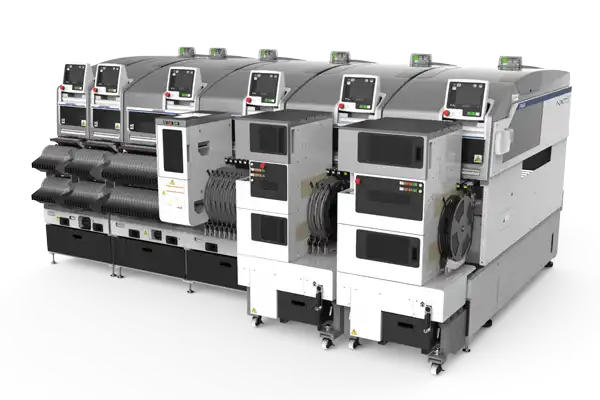
From high-speed precision to unmatched reliability, this curated list ranks the 10 best PCB pick and place machines globally, based on technical innovation, user reviews, and industry adoption. Whether you’re assembling compact consumer electronics or robust automotive control units, these cutting-edge systems deliver placement accuracy down to ±5µm and speeds exceeding 100,000 CPH, ensuring minimized production errors and maximized ROI.

In SMT (surface mount technology) production, material errors and material change downtime are the two core issues that affect efficiency and quality.
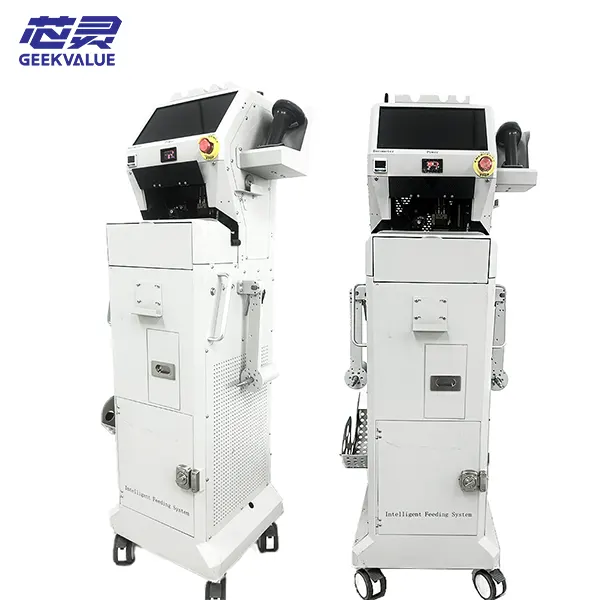
The SMT splicing machine is an intelligent device used in SMT patch production lines, mainly used for automatic splicing of material strips.
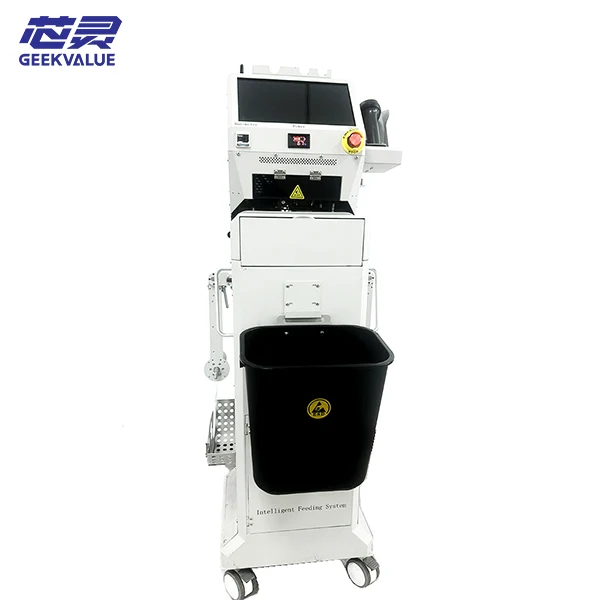
An SMT auto splicer machine—also known as an automatic splicer or automatic splicing machine—is designed to automatically join a new SMT component reel to the existing one without stopping the pick-and-place machine.

SMT automatic material receiving machine is the key equipment to improve the efficiency and automation level of SMT production line
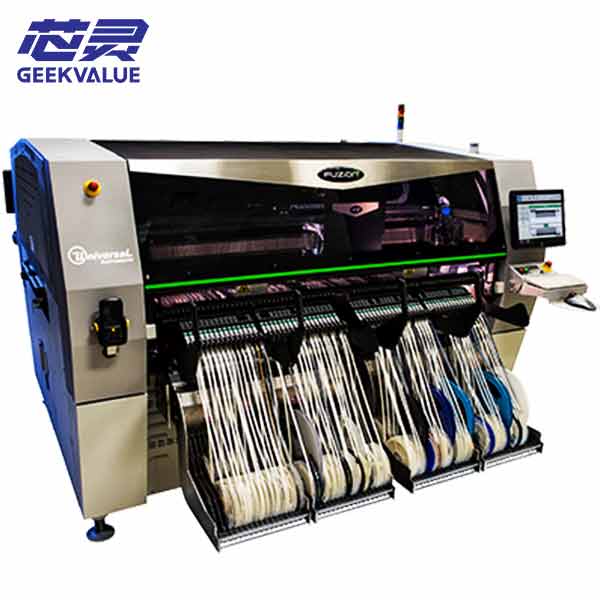
Placement accuracy: ±10 microns at maximum, < 3 microns at repeatability.Placement speed: up to 30K cph (30,000 pieces per hour) for surface mount applications, up to 10K cph (10,000 pieces per hour) for advanced pack...
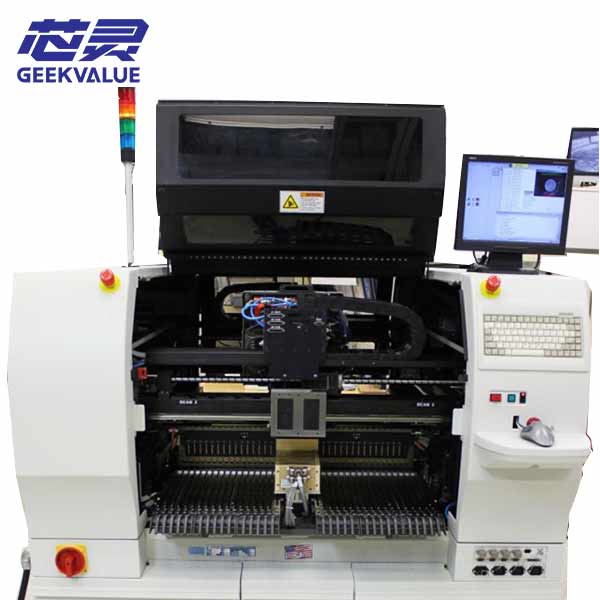
The main features of the GSM2 include high flexibility and high speed placement operations, as well as the ability to process multiple components simultaneously. Its core component, the FlexJet Head, uses a number of adv...
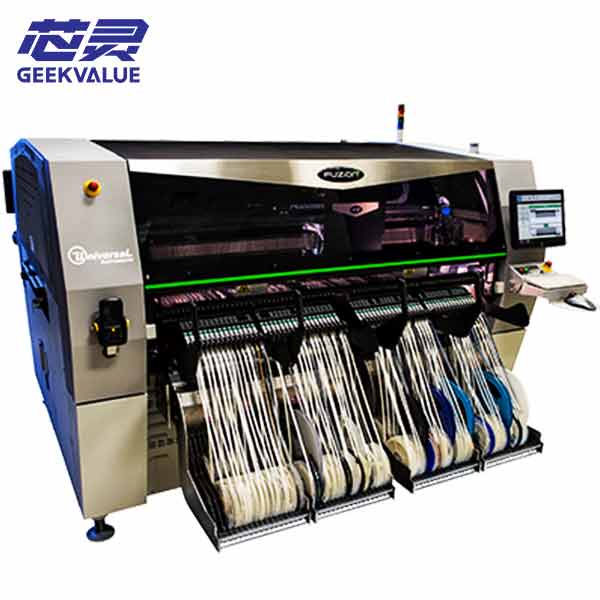
The Universal Instruments FuzionOF Chip Mounter is a high-performance automated chip mounter that is particularly suitable for handling large-area and heavy-weight substrates and complex, special-shaped component assembl...
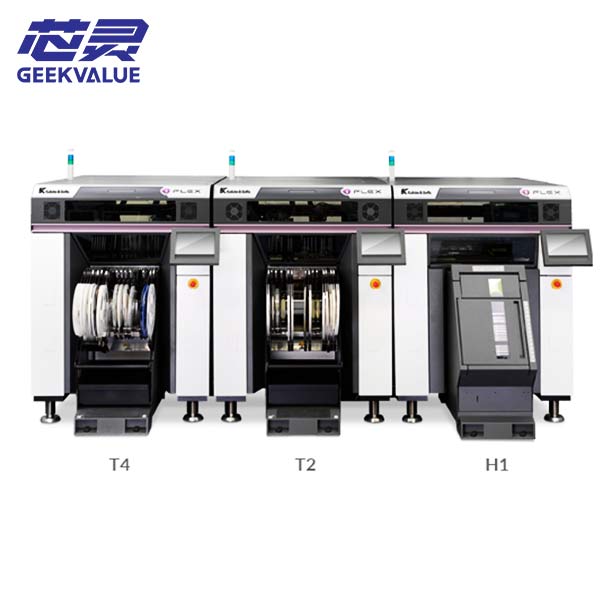
iFlex T4, T2, H1 SMT machines adhere to the industry's most flexible "one machine for multiple uses" concept, which can be operated on a single track or on two tracks. The machine contains three modules,...
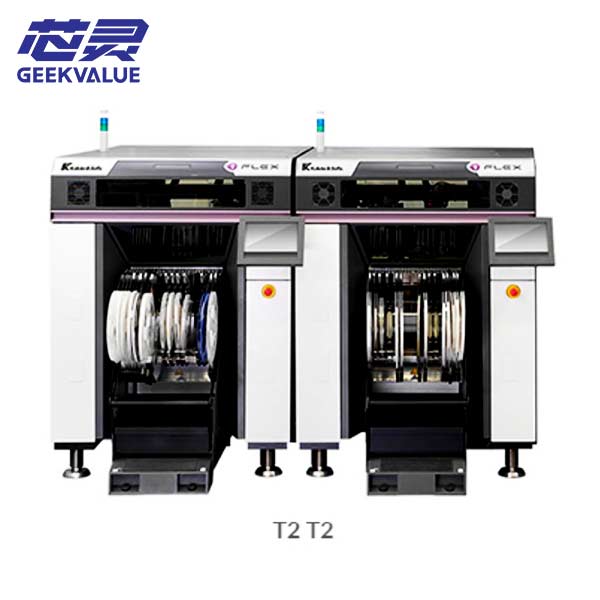
Philips iFlex T2 is an innovative, intelligent and flexible surface mount technology (SMT) solution launched by Assembléon. iFlex T2 represents the latest technological advancement in the electronics manufacturing ind...
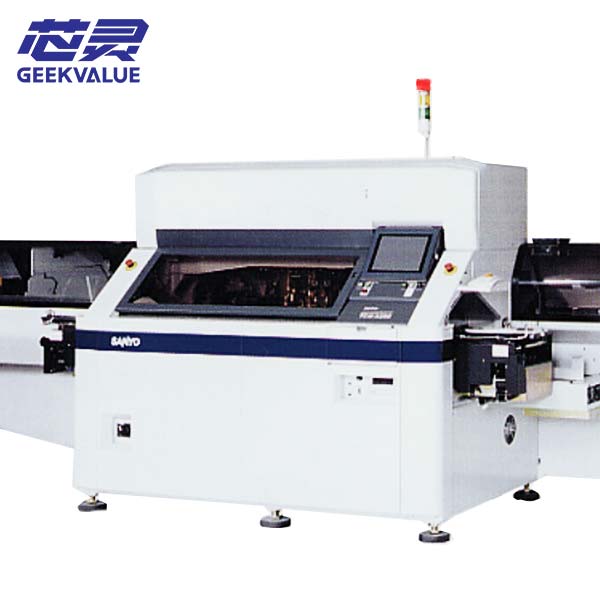
Hitachi TCM-X200 is a high-speed placement machine with high automation and placement accuracy.
Entry-Level (Under $20,000)
Use Case: Prototyping, low-volume production (<5,000 boards/month).
Recommended Model: Neoden 4 (supports 0402 components, 8,000 CPH).
Hidden Costs: Frequent manual feeder changes; maintenance costs ~15% of total ownership.
Mid-to-High Range (50,000–200,000)
Use Case: Medium/large-scale production (50,000+ boards/month), complex components (QFN, BGA).
Recommended Model: Yamaha YSM20R (25,000 CPH, ±25µm accuracy).
ROI Tip: Breakeven within 1-2 years for monthly output >100,000 boards.
| Production Needs | Recommended Configuration | Key Requirements |
|---|---|---|
| Small/Medium Batch (Flexible) | Electric multi-axis systems | Speed: 10,000–30,000 CPH, quick changeover (<15 mins) |
| High-Volume (24/7 Operation) | Pneumatic high-speed models | Speed: 80,000+ CPH, auto-feeders (>100 slots) |
Miniature Components (01005, 0201): Ensure ≤±15µm accuracy and 5MP+ vision systems.
Irregular Components (connectors, heatsinks): Opt for wide nozzles (Φ10mm) and custom fixtures (e.g., JUKI RS-1R).
High-Temperature Parts (automotive): Verify compatibility with ceramic nozzles and anti-thermal-drift algorithms.
Speed (CPH): Choose based on output needs; actual speed ≈70% of rated value (due to calibration/feeding).
Accuracy (µm): ±25µm for consumer electronics; ±5µm for medical/military.
Feeder System: 8mm–88mm tape compatibility; trays/vibratory feeders for irregular parts.
Software Ecosystem: Offline programming (CAD import), MES/ERP integration.
When considering a pick and place machine for electronics manufacturing, many buyers and engineers have common questions about cost, accuracy, operation, and software. To help you make informed decisions, we’ve answered some of the most frequently asked questions about pick & place machines, from pricing and training to technical capabilities and industry applications.
A pick and place machine is specifically designed for electronics assembly, where it rapidly places thousands of tiny components onto PCBs with micron-level accuracy. It combines feeders, precision vision systems, and multiple nozzles to handle high-volume SMT production. In contrast, a general robotic arm is more versatile but slower. It can perform various tasks like welding, packaging, or material handling, but it does not match the speed and accuracy of a dedicated pick and place system for electronics manufacturing.
Pick and place machines are optimized for surface-mount devices (SMDs) in SMT production. They are not designed for traditional through-hole components, which require insertion into drilled PCB holes. However, some hybrid production lines combine pick and place machines for SMD assembly with automated insertion machines or manual soldering stations to handle through-hole parts.
Pick and place machines use proprietary software provided by each manufacturer, such as Panasonic PanaCIM, Fuji Flexa, or Yamaha Y-Fact. These platforms import CAD/PCB design files and generate placement data for feeders, nozzles, and boards. Many modern systems also support integration with MES (Manufacturing Execution Systems) and can optimize placement sequences automatically. Third-party tools sometimes help convert or standardize data across different machine brands.
Modern pick and place machines achieve placement accuracy within ±20 to ±30 microns, making them suitable for fine-pitch ICs, BGAs, and micro-components as small as 01005 packages. High-end models with advanced vision correction can even achieve tighter tolerances, ensuring reliable performance for industries like automotive and medical electronics where precision is critical.
A pick and place machine can cost anywhere from $10,000 to over $500,000, depending on the speed, accuracy, and features. Entry-level desktop models are usually priced around $10,000–$20,000, mid-range machines for growing manufacturers range from $50,000–$150,000, and high-speed industrial systems designed for 24/7 production can exceed $250,000. The final cost also includes feeders, software, and maintenance, which should be considered in the overall investment.
Operators of pick and place machines typically need training in both hardware and software operation. They learn how to set up feeders and nozzles, load PCBs, and program placement jobs using the machine’s software. Training also covers basic troubleshooting, such as fixing misfeeds or nozzle blockages, and preventive maintenance routines to ensure consistent performance. With proper training—usually provided by the machine manufacturer—most operators become proficient within a few weeks.
Pick and Place Machine Technical Articles
2025-05
The pick and place machine is a revolutionary tool delivering the precision, speed, and consistency modern electronics manufacturing relies on. If you’ve ever wondered how circuit boards in smartphones, medical devices, or automotive systems are asse...
Why do so many people choose to work with GeekValue?
Our brand is spreading from city to city, and countless people have asked me, "What is GeekValue?" It stems from a simple vision: to empower Chinese innovation with cutting-edge technology. This is a brand spirit of continuous improvement, hidden in our relentless pursuit of detail and the delight of exceeding expectations with every delivery. This almost obsessive craftsmanship and dedication is not only the persistence of our founders, but also the essence and warmth of our brand. We hope you will start here and give us an opportunity to create perfection. Let us work together to create the next "zero defect" miracle.
DetailsContact a sales expert
Reach out to our sales team to explore customized solutions that perfectly meet your business needs and address any questions you may have.

© All Rights Reserved. Technical Support:TiaoQingCMS