 EN
EN id
id sk
sk sr
sr sv
sv it
it pt
pt bn
bn ms
ms be
be nl
nl fr
fr th
th vi
vi ru
ru ja
ja ko
ko de
de hy
hy az
az bs
bs bg
bg my
my cs
cs da
da dv
dv el
el et
et fil
fil fi
fi ga
ga gl
gl gn
gn he
he hi
hi km
km hr
hr hu
hu is
is kn
kn rw
rw lo
lo lv
lv lt
lt lb
lb lg
lg mi
mi mt
mt ne
ne no
no ny
ny or
or om
om per
per pl
pl ro
ro sa
sa so
so es
es sw
sw ta
ta tr
tr uk
uk ur
ur cy
cy xh
xh
A used ASM SIPLACE 12mm feeder can look clean and complete while still creating unstable material delivery after installation. The highest-risk problems are often hidden in the tape path, sprocket system, cover tape route, latch, connector, sensor-related hardware, mechanical advance system or feeder-recognition interface.
For buyers searching for a used ASM 12mm feeder, refurbished SIPLACE 12mm feeder, 00141271 feeder, 00141291 feeder, 00141371 feeder or 00141391 feeder, the correct purchase decision should not be based on exterior appearance, stock photos or a generic “tested” statement alone.
This guide explains 15 practical checks that should be completed before a used or refurbished ASM 12mm feeder is approved for shipment, replacement work or production use.
In Brief: What Should Be Checked on a Used ASM 12mm Feeder?
Before buying a used ASM SIPLACE 12mm feeder, verify the complete part number, suffix, feeder family, housing condition, latch, tape path, sprocket movement, cover tape route, sensor-related configuration where applicable, connector condition, machine recognition, tape advance, first-article feed test, packing method and support scope.
Do not treat cleaning as proof of refurbishment quality.
Do not accept a feeder without clear part-number and condition photos.
Do not approve a feeder without a controlled tape-feed test where possible.
Do not assume accessories are included unless listed in writing.
Why a Clean Feeder Is Not Always a Production-Ready Feeder
A feeder may have a clean housing while still containing worn moving parts, a damaged tape guide, a weak latch, unstable indexing, sensor-related faults or cover tape handling problems.
The production value of a feeder is determined by whether it can load, guide, advance and present component tape consistently during real placement conditions. Appearance is useful, but functional evidence is more important.
Inspection principle: Evaluate tape delivery, machine recognition and mechanical repeatability—not only exterior condition.
15 Checks Before Buying a Used ASM 12mm Feeder
1. Confirm the Complete Part Number and Revision Suffix
Request a clear photo of the feeder label. Confirm the complete part number, suffix and serial information where available.
2. Confirm the Feeder Family and Target Machine
Verify the target SIPLACE machine family, feeder slot and expected interface. Tape width alone does not prove direct replacement compatibility.
3. Inspect the Outer Housing
Check for cracks, impact damage, bent sections, corrosion, missing screws, loose panels or signs of uncontrolled repair work.
4. Check the Feeder Latch and Slot Interface
The feeder must seat securely in the machine. Inspect latch movement, mounting surfaces, connector area and interface condition.
5. Inspect the Tape Path
Check the tape guide for contamination, sharp edges, tape residue, deformation or wear that could affect carrier tape movement.
6. Review Sprocket and Indexing Movement
Confirm that the advance system moves smoothly and repeatedly. Look for excessive resistance, irregular travel, backlash or damaged teeth.
7. Inspect Cover Tape Routing
Cover tape routing affects component presentation. Check the guide path, take-up area, tension condition and any mechanical parts that contact cover tape.
8. Confirm Reel Seating
Check the reel support, reel holder, seating position and ability to maintain stable rotation during tape advance.
9. Review Sensor or Splice-Related Hardware Where Applicable
For feeder configurations sold with sensor-related functions, inspect the physical module, cable condition, connector condition and supplier evidence of functional testing.
10. Check Electrical Connector and Communication Area
Inspect connector pins, housing condition, cable routing and signs of previous connector damage or contamination.
11. Run a Controlled Tape Advance Test
Use representative tape where possible. Check tape tracking, pocket alignment, advance consistency, cover tape behavior and absence of tape jams.
12. Verify Machine Recognition
Where test equipment is available, confirm that the feeder is recognized by the intended machine environment and that feeder identity is displayed correctly.
13. Confirm First-Article Feed Stability
A feeder should not be approved based only on empty movement. Verify component presentation and pickup conditions with actual tape or a defined test method.
14. Review Packing and Shipment Method
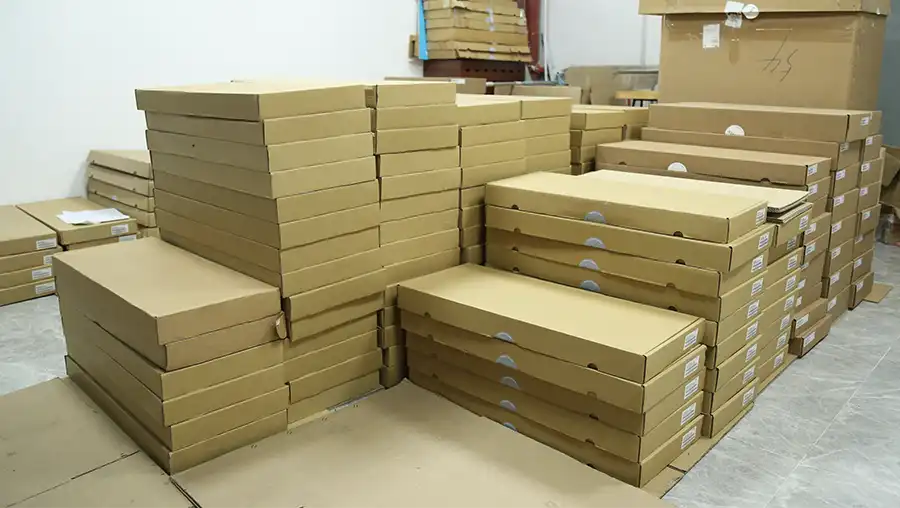
Feeder housings, latches and mechanical parts should be protected during transport. Ask how each feeder will be packed, labeled and separated from other units.
15. Confirm Warranty, Exchange and Support Scope
Clarify whether the feeder is sold as tested, refurbished, cleaned only, as-is, exchange-supported or covered by a defined warranty period.
Used Feeder Inspection Matrix
| Inspection Area | What to Check | Production Risk if Ignored |
|---|---|---|
| Part Number | Full reference and visible suffix. | Wrong feeder version or incorrect replacement. |
| Housing and Latch | Cracks, deformation, mounting and latch condition. | Poor machine seating or unstable feeder installation. |
| Tape Path | Guide cleanliness, wear and physical alignment. | Tape jams, misfeed or inconsistent component presentation. |
| Sprocket / Advance | Smooth and repeatable movement. | Incorrect indexing and pickup-position errors. |
| Cover Tape System | Guide, take-up and tension behavior. | Component displacement or cover tape interference. |
| Sensor Hardware | Physical module and functional evidence where applicable. | Configuration mismatch or signal-related production interruptions. |
| Feed Test | Representative tape advance and first-article verification. | Hidden defects discovered only after line installation. |
What a Useful Feeder FAT Should Prove
A practical feeder FAT does not need to reproduce a full SMT production run. It should, however, prove that the quoted feeder is identifiable, mechanically sound and capable of advancing tape consistently through its installed path.
The part number and visible feeder label match the quotation.
The housing, latch and connector area are intact.
The tape path is clean and free of major obstruction.
The sprocket or advance mechanism operates consistently.
Cover tape routing behaves correctly.
Representative tape can advance without abnormal resistance.
Sensor-related hardware is checked where included.
The feeder is packed and labeled for traceable shipment.
Seven Red Flags in a Used ASM 12mm Feeder Offer
No visible feeder label or incomplete part number.
Only stock photos are provided instead of current feeder photos.
No tape path or sprocket close-up is available.
The supplier cannot confirm whether the feeder was functionally tested.
Sensor-related configuration is claimed but not visible in photos.
The feeder is described as refurbished without a documented scope.
No clear warranty, exchange or after-sales support terms are offered.
Related ASM 12mm Feeder Resources
Frequently Asked Questions About Used ASM SIPLACE 12mm Feeders
Is a cleaned ASM 12mm feeder the same as a refurbished feeder?
Not necessarily. Cleaning mainly affects appearance. Refurbishment should involve a defined inspection, repair, adjustment or functional-testing scope.
What is the most important test before buying a used feeder?
A controlled tape-feed and advance test is one of the most useful checks because it can reveal hidden tape path, indexing, cover tape or mechanical issues.
Can a used feeder look good but still cause misfeeds?
Yes. Tape path wear, sprocket issues, cover tape problems, latch wear, sensor faults or connector damage may not be obvious in a basic product photo.
Should feeder labels be included in shipment photos?
Yes. Feeder labels help confirm that the shipped unit matches the requested part number and support batch traceability.
What should be included in a used feeder inspection report?
The report should include feeder identity, physical condition, tape path review, sprocket test, cover tape review, sensor check where applicable, feed test status and shipment packing confirmation.
Need a Used ASM SIPLACE 12mm Feeder Inspection List?
Share the required part number, target machine model, feeder quantity, required configuration and supplier photos. A practical review should verify feeder identity and functional condition before shipment.