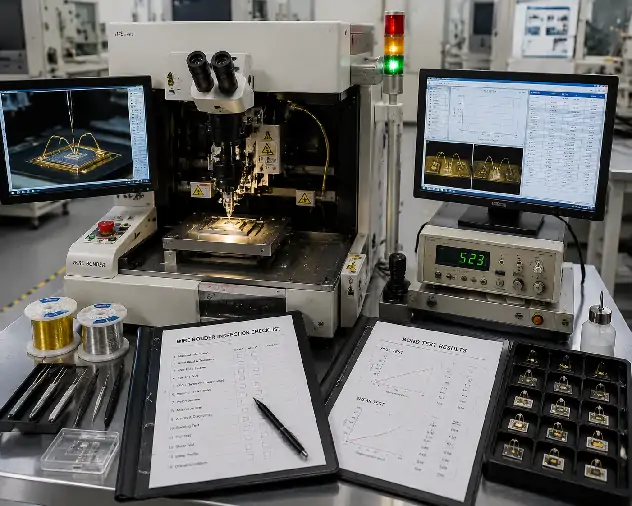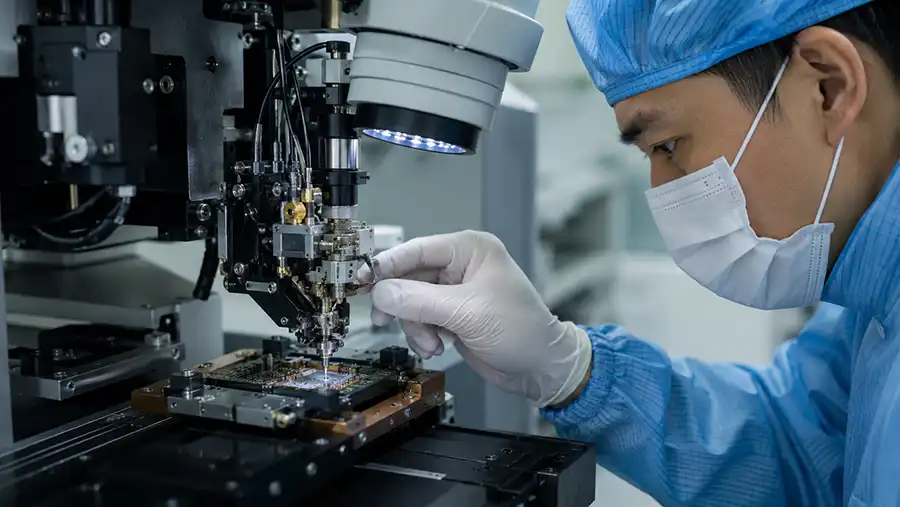

A wire bonder is one of the most important machines used in semiconductor packaging and microelectronics manufacturing. It is responsible for creating electrical connections between semiconductor chips and package leads using extremely fine bonding wires. Without wire bonding technology, many electronic products used in modern industries would not function properly.
Wire bonders are widely used in:
Semiconductor packaging
LED packaging
IC assembly
RF device manufacturing
Automotive electronics
Power semiconductor production
Sensor packaging
Microelectronics assembly
As semiconductor devices continue to become smaller, faster, and more complex, modern wire bonding machines are required to provide higher precision, higher bonding speed, and better production stability.
This guide explains how wire bonders work, their types, applications, advantages, limitations, and how to choose the right wire bonding machine for semiconductor production environments.
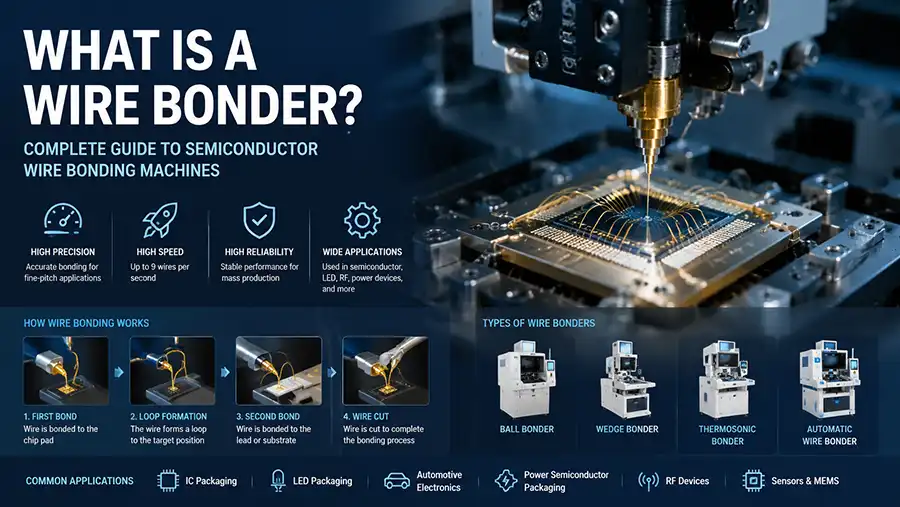
What Is a Wire Bonder?
A wire bonder is an automatic or semi-automatic semiconductor packaging machine used to connect the bonding pads of a semiconductor chip to external leads or substrates using thin metal wires.
The bonding wire is usually made of:
Gold
Copper
Aluminum
Silver alloy
The machine creates extremely precise electrical interconnections that allow semiconductor devices to communicate with external circuits.
Modern wire bonders can perform thousands of bonding operations per hour while maintaining highly stable bonding quality and accurate wire loop control.
Wire bonders are considered one of the core machines in semiconductor backend packaging processes.
Why Wire Bonding Is Important in Semiconductor Packaging
Semiconductor chips are extremely small and fragile. Electrical signals generated inside the chip must be transferred to the package and then to the PCB or electronic system.
Wire bonding provides:
Reliable electrical connections
High production efficiency
Stable signal transmission
Flexible package compatibility
Cost-effective semiconductor packaging
Compared with some advanced packaging technologies, wire bonding remains one of the most widely used interconnection methods due to its mature process, lower production cost, and excellent reliability.
Today, wire bonding is still heavily used in:
IC packaging
LED manufacturing
MEMS devices
Power modules
RF components
Automotive semiconductor devices
How Does a Wire Bonder Work?
Wire bonders use ultrasonic energy, thermal energy, pressure, or a combination of these methods to attach bonding wires to semiconductor pads.
The basic wire bonding process includes several steps.
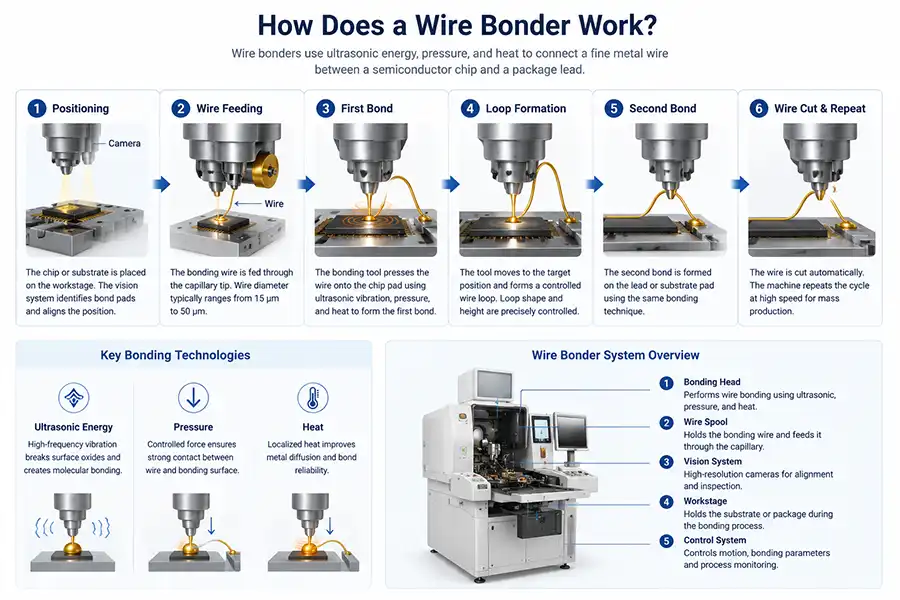
Step 1 – Wafer or Package Positioning
The semiconductor device is placed on the machine worktable. Advanced vision systems identify bonding locations with high precision.
Modern wire bonders use image recognition technology to automatically detect bonding pads and positioning coordinates.
Step 2 – Wire Feeding
A very thin bonding wire is fed through the capillary or bonding tool. Typical wire diameters may include 15 µm, 20 µm, 25 µm, or 50 µm, depending on the application requirements.
Step 3 – First Bond Formation
The machine forms the first bond on the semiconductor pad using ultrasonic vibration, pressure, heat, or a combination of these forces. This creates a strong metallurgical connection.
Step 4 – Wire Loop Formation
After the first bond is completed, the bonding head moves to create a wire loop. Loop shape and height are extremely important because they affect signal transmission, package reliability, electrical performance, and thermal expansion tolerance.
Step 5 – Second Bond Formation
The second bond is formed on the lead frame, substrate, or package terminal. The wire is then cut automatically.
Step 6 – Continuous Production
The machine repeats the process at high speed for mass semiconductor production. Modern automatic wire bonders can complete multiple wires per second while maintaining stable bonding quality.
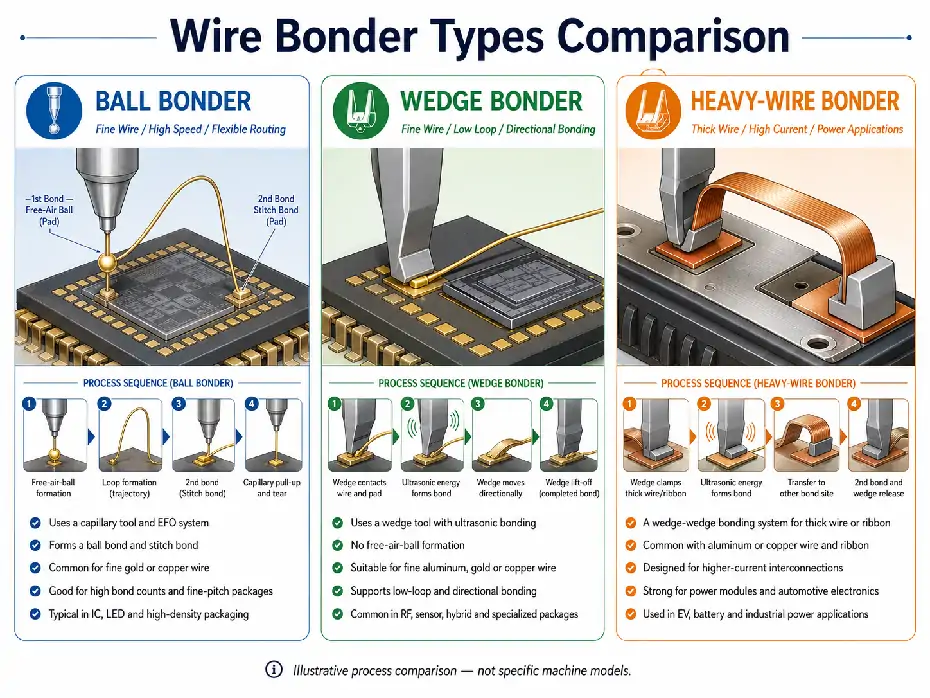
Main Types of Wire Bonders
Wire bonders are divided into different categories based on bonding method, wire material, and application requirements.
Ball Bonder
Ball bonders are the most common wire bonding machines used in semiconductor packaging. They mainly use gold wire or copper wire and form a spherical bond at the first bonding point.
Advantages
High bonding speed
Excellent automation capability
Suitable for fine-pitch packages
Stable production performance
Applications
IC packaging
LED packaging
Logic devices
Memory chips
Wedge Bonder
Wedge bonders use wedge-shaped bonding tools instead of ball formation. These machines are commonly used with aluminum wire and heavy wire applications.
Advantages
Suitable for power semiconductor devices
Better for large current applications
Strong bond reliability
Applications
Power modules
Automotive electronics
Hybrid circuits
RF devices
Thermosonic Wire Bonder
Thermosonic bonding combines ultrasonic energy, heat, and pressure. This method improves bonding quality and reduces bonding defects.
Advantages
Stable bonding strength
Improved reliability
Suitable for fine-pitch devices
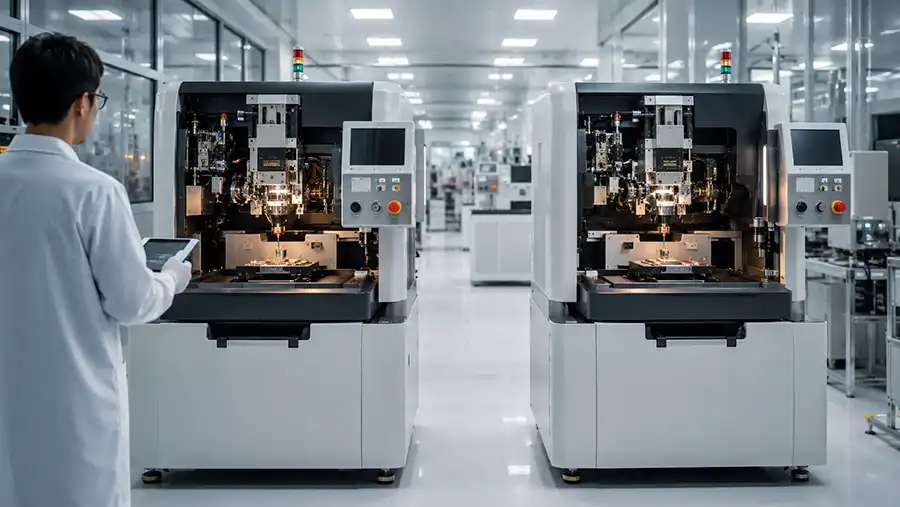
Automatic Wire Bonder
Automatic wire bonders are fully automated production systems designed for high-volume manufacturing environments.
Features
Automatic vision alignment
High-speed bonding
Intelligent process control
Automated loop optimization
Production data monitoring
Applications
Semiconductor factories
LED packaging lines
Mass IC production
Gold Wire Bonding vs Copper Wire Bonding
The choice between gold wire and copper wire depends on production requirements and cost considerations.
| Feature | Gold Wire | Copper Wire |
|---|---|---|
| Conductivity | Excellent | Excellent |
| Oxidation Resistance | High | Lower |
| Cost | Higher | Lower |
| Reliability | Very stable | Stable |
| Bonding Difficulty | Easier | More complex |
| Common Applications | ICs, RF devices | Power devices, LEDs |
Gold wire bonding is widely used in high-reliability semiconductor applications, while copper wire bonding is preferred for cost-sensitive production.
Applications of Wire Bonders
Wire bonding technology is widely used across many semiconductor industries.
LED Packaging
Wire bonders connect LED chips to package electrodes using gold wire or copper wire. This process is essential for SMD LEDs, high-power LEDs, COB LEDs, and automotive LEDs.
IC Packaging
Wire bonders are heavily used in integrated circuit packaging processes, including logic ICs, memory devices, analog chips, and sensor ICs.
Power Semiconductor Packaging
Power devices require strong and reliable wire bonding connections. Applications include IGBT modules, MOSFET packaging, and power management devices.
RF Device Packaging
RF semiconductor devices require highly accurate wire bonding performance for stable signal transmission. Applications include communication modules, RF amplifiers, and wireless devices.
Automotive Electronics
Automotive semiconductor devices require extremely reliable wire bonding quality due to harsh operating environments.
Advantages of Wire Bonders
Wire bonders remain one of the most widely used semiconductor packaging technologies because of several important advantages.
High Production Efficiency
Modern wire bonders can perform thousands of wire bonds per hour. Automatic machines significantly improve production capacity.
High Precision
Advanced wire bonders support fine-pitch bonding, microelectronics assembly, and high-density semiconductor packaging.
Stable Production Performance
Modern bonding systems provide consistent wire loop formation and bonding quality during long-term operation.
Flexible Package Compatibility
Wire bonders support many semiconductor package types and production requirements.
Mature Manufacturing Technology
Wire bonding remains one of the most stable and widely accepted semiconductor interconnection technologies.
Challenges and Limitations of Wire Bonders
Although wire bonding is widely used, there are still several production challenges.
Fine-Pitch Complexity
As semiconductor devices become smaller, bonding accuracy requirements increase significantly.
Maintenance Requirements
Wire bonders require regular calibration, capillary replacement, vision system maintenance, and process optimization.
Operator Experience
Stable wire bonding production depends heavily on process setup, bonding parameter control, and equipment maintenance.
Material Sensitivity
Bonding wires are extremely thin and sensitive to environmental conditions.
Refurbished Wire Bonder vs New Machine
Many semiconductor manufacturers choose refurbished wire bonders to reduce equipment investment costs.
Advantages of Refurbished Wire Bonders
Lower purchase cost
Faster delivery time
Proven machine stability
Lower initial investment
Suitable for production expansion
Important Considerations
Before purchasing a refurbished wire bonder, buyers should verify machine condition, maintenance history, calibration status, spare parts availability, and engineer support.
How to Choose the Right Wire Bonder
Choosing the correct wire bonder depends on several factors.
Production Requirements
Buyers should consider production volume, bonding speed, product type, and package size.
Wire Material
Different bonding materials require different machine configurations.
Package Type
The machine should match the semiconductor packaging process requirements.
Technical Support
Reliable engineer support is extremely important for long-term production stability.
Spare Parts Availability
Stable spare parts supply reduces production downtime and maintenance risk.
Major Wire Bonder Brands
Several brands are widely recognized in semiconductor wire bonding equipment.
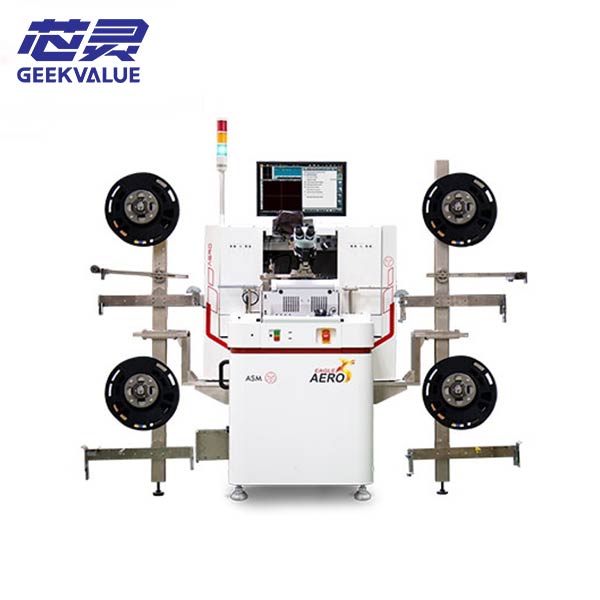
ASMPT Wire Bonder
ASM wire bonders are known for high-speed bonding, precision ultrasonic technology, and stable semiconductor packaging performance.
K&S Wire Bonder
K&S wire bonders are widely used in semiconductor packaging, RF device assembly, and microelectronics production.
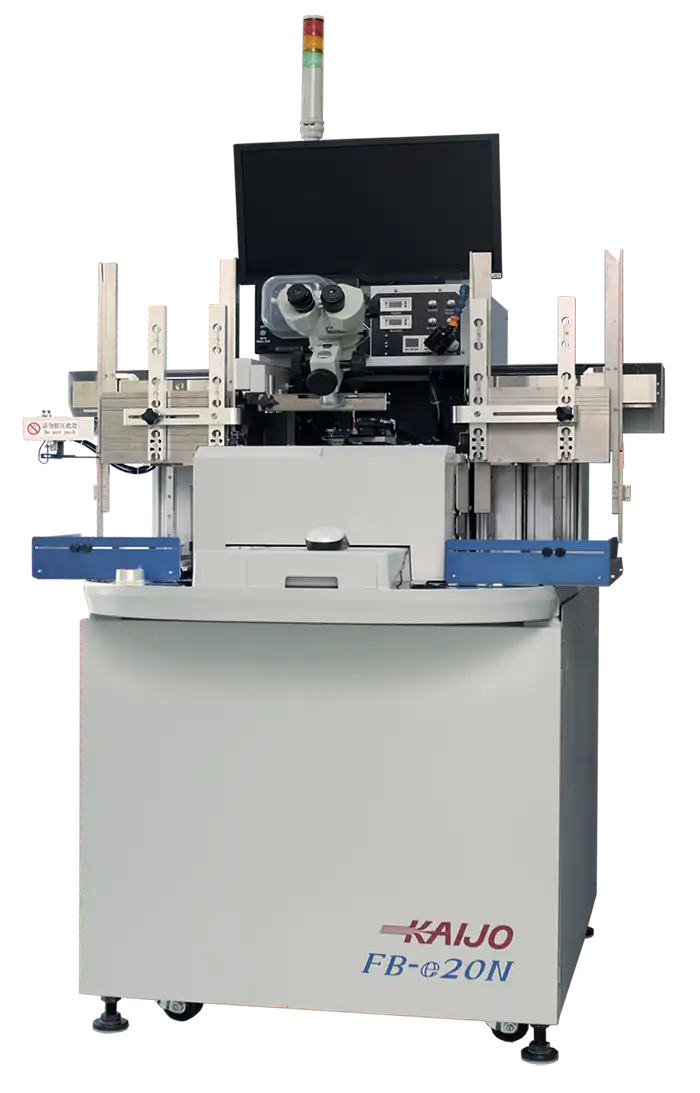
KAIJO Wire Bonder
KAIJO wire bonders are commonly used in LED packaging, SMD production, and gold wire bonding applications.
Palomar Wire Bonder
Palomar systems are used for advanced packaging, hybrid circuits, and precision microelectronics.
Future Trends in Wire Bonding Technology
Semiconductor packaging technology continues to evolve. Future wire bonding systems are expected to provide higher automation, faster bonding speeds, AI-assisted process optimization, better vision systems, improved fine-pitch capability, and higher production efficiency.
Despite the growth of advanced packaging technologies, wire bonding will continue to play an important role in semiconductor manufacturing for many years.
Frequently Asked Questions
What is a wire bonder used for?
Wire bonders are used to create electrical connections between semiconductor chips and package leads in semiconductor packaging processes.
What industries use wire bonders?
Wire bonders are widely used in semiconductor packaging, LED manufacturing, RF device production, automotive electronics, and power semiconductor assembly.
What is the difference between ball bonding and wedge bonding?
Ball bonding uses spherical bond formation and is commonly used for IC packaging, while wedge bonding is more suitable for power semiconductor applications and heavy wire bonding.
Are refurbished wire bonders reliable?
Professionally refurbished wire bonders can provide stable production performance when properly tested, calibrated, and maintained.
Which wire bonder brands are most popular?
Common wire bonder brands include ASMPT, K&S, KAIJO, and Palomar.
What materials are used in wire bonding?
The most common bonding wire materials are gold, copper, aluminum, and silver alloy.
Wire bonders remain one of the most important machines in semiconductor packaging and microelectronics manufacturing. Their ability to provide precise, reliable, and cost-effective electrical interconnections makes them essential for modern electronic production.
From LED packaging and IC assembly to advanced semiconductor manufacturing, wire bonding technology continues to support a wide range of industrial applications.
Understanding wire bonder types, applications, bonding methods, and production requirements helps manufacturers select the right wire bonding solution for stable and efficient semiconductor production.