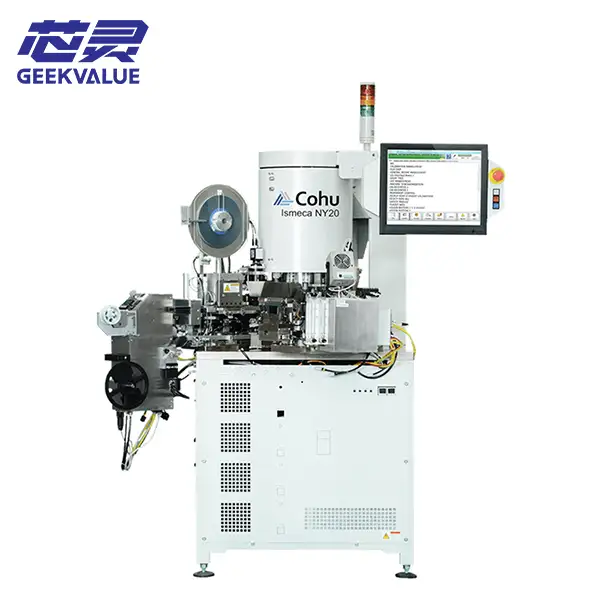
Turret Tape and Reel Machine
ISMECA test handler NY20
The ISMECA NY20 (now owned by Cohu) is a 20-station rotary ultra-high-speed semiconductor testing and sorting machine
ave up to 70% on SMT Parts – In Stock & Ready to Ship
Get Quote →A turret tape and reel machine places tested or inspected semiconductor devices into carrier tape, verifies pocket occupancy and orientation, applies cover tape and winds the approved output onto a reel. Browse available equipment and match the machine to your package geometry, carrier tape, sealing method, reel format and traceability requirement.
Send the device package, carrier tape drawing, cover tape type, pocket pitch, reel size and required inspection points. These details determine the tooling and sealing configuration more reliably than the machine name alone.
The output reel is part of the customer delivery specification. A machine may run at high speed and still be unsuitable if the pocket, cover tape, seal window or reel format does not match the semiconductor device and downstream placement process.
Confirm body dimensions, lead or pad exposure, polarity mark, fragile surfaces and whether the device must be flipped before loading.
Provide the carrier tape drawing, pocket depth, width, pitch, sprocket position and any ESD or material requirement.
Identify heat-activated or pressure-sensitive cover tape, the target seal window and the acceptable peel-force range.
Confirm reel size, leader and trailer length, parts per reel, barcode, lot identification and any customer-specific packaging rule.
Open each product page to review the listed model and current machine information. Machines from the same platform may use different carrier-tape tracks, sealing units, vision options and reel hardware, so the individual configuration should be confirmed before requesting a sample run.
The ISMECA NY20 (now owned by Cohu) is a 20-station rotary ultra-high-speed semiconductor testing and sorting machine
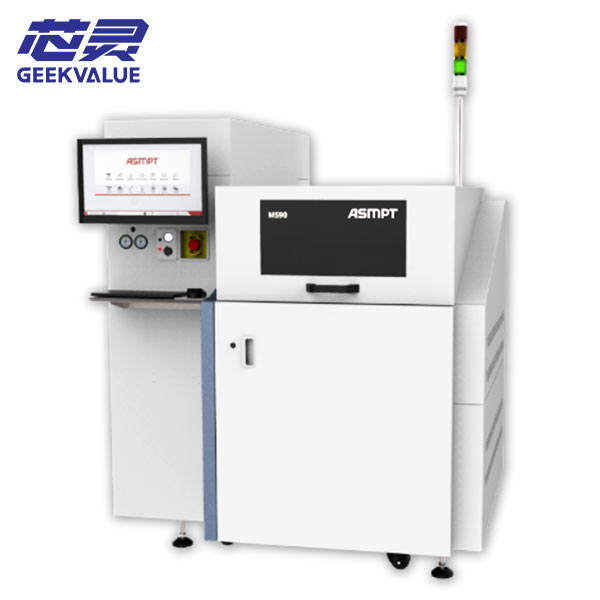
ASM sorting machine MS90 is a device designed for lamp bead sorting, with efficient and accurate sorting functions. This...
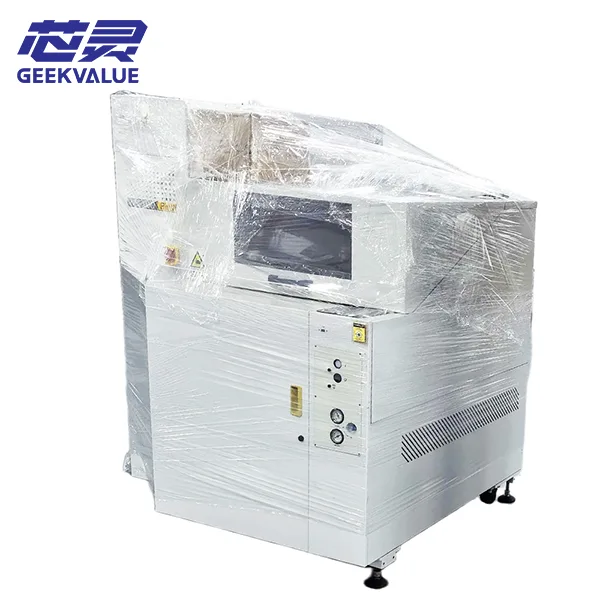
As an upgraded version of the MS100, the ASM MS100 Plus is also a device for chip sorting and arrangement based on wafer...
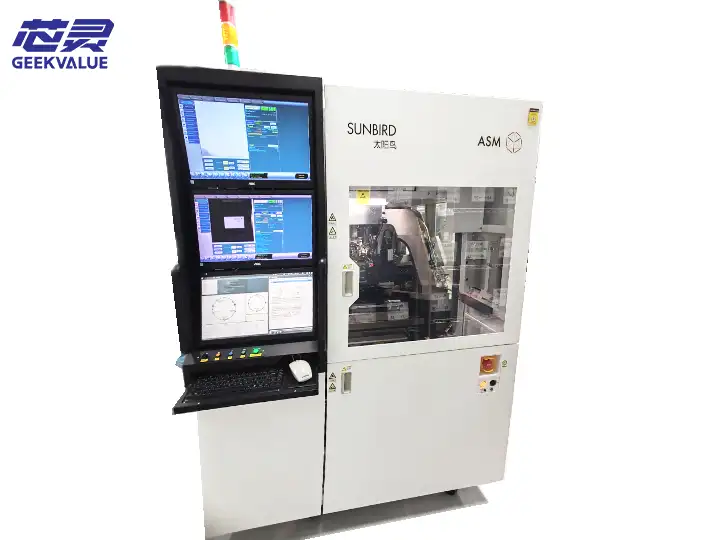
SUNBIRD provides an efficient, reliable and flexible wafer testing solution for the semiconductor industry through innov...
These are packaging control points rather than a promise that every machine includes all functions. Camera inspection, empty-pocket checking, seal monitoring, reel change and label verification depend on the selected platform and installed options.
Receive parts from a bowl, tube, tray, film frame, bulk container or another upstream module and present each device consistently.
Confirm rotation, polarity, mark or code before the device enters the carrier-tape pocket.
Place the component into the approved pocket without lead damage, surface scratching or incorrect seating.
Apply the selected cover tape using the required heat, pressure, speed and seal-window conditions.
Wind the output, verify quantity and generate the reel, lot or barcode record required for shipment.
The sealing unit must match the approved cover tape and carrier tape combination. Changing tape technology can require different temperature, pressure, roller, dwell-time and peel-control settings.
Requires stable heater condition, pressure, dwell time and seal alignment. Excessive heat or pressure may deform tape or affect sensitive packages.
Depends on roller pressure, tape tracking, surface cleanliness and adhesive compatibility with the carrier tape.
Verify acceptable peel force, continuity and opening behavior so the reel runs correctly in the customer’s placement or handling equipment.
A new tape width, pocket pitch, reel diameter or cover tape may require guide, reel, sensor and software-recipe changes.
A reliable tape-and-reel process protects both the device and the downstream assembly line. Inspection priorities should follow the package design, customer specification and actual machine configuration.
Confirm that the expected device is present and seated in the approved orientation.
Verify pocket occupancy and detect misplaced, doubled, tilted or missing devices before sealing.
Confirm that the final packaging matches the approved shipment and traceability specification.
Machine capability should be checked with the actual device, carrier tape and cover tape combination. A short sample reel can expose pocket-fit, sealing, inspection and downstream feeding problems that are not visible from the machine specification alone.
Confirm lateral clearance, pocket depth, package height and the space below the cover tape. The device should not bind, flip or strike sensitive surfaces during handling and winding.
Run enough pockets to confirm repeatable placement, polarity, mark position and stable seating. Review tilted parts, duplicate loading and incomplete insertion.
Record temperature or roller pressure, line speed, dwell time, cover-tape position and peel-force behavior rather than judging the seal only by appearance.
Check winding tension, sprocket engagement, cover-tape tracking, leader and trailer length and stable feeding through the intended placement or handling equipment.
Compare planned quantity, packed quantity, empty pockets, rejected parts, reel identity, lot data, barcode records and any packaging exceptions before approval.
The same model family may be fitted with different carrier-tape tracks, sealing units, cameras, reel shafts and software options. Confirm the installed equipment before arranging the sample reel test.
These questions help define the packaging specification and sample-reel acceptance conditions before a model or quotation is selected.
It handles individual devices, confirms orientation, places them into carrier-tape pockets, applies cover tape and winds the finished output onto a reel. Available inspection, test, marking and reel-change functions depend on the machine configuration.
Often yes, but the machine normally requires the correct guides, nozzles, carrier-tape track, reel hardware, camera recipe and other change parts for each package and tape format.
Heat-seal tape uses controlled temperature, pressure and dwell time. Pressure-sensitive tape relies on adhesive and roller pressure without the same heated sealing process. The machine must match the approved tape system.
Some platforms can integrate mark, code, surface, lead, pad, sidewall or in-pocket inspection. The actual cameras, lighting, software and station layout must be confirmed on the available machine.
Send the device package, dimensions, orientation, input media, carrier-tape drawing, cover tape, reel size, required inspection, throughput target, preferred equipment condition and destination country.
Check pocket fit, seating and orientation, cover-tape alignment, seal continuity, peel force, winding tension, reel feeding, leader and trailer length, quantity records, barcode data and downstream feeder compatibility.
Send the package dimensions, carrier-tape drawing, cover tape, reel format, inspection requirements, target output and preferred machine condition. We will compare the available equipment and identify the points that should be confirmed during a sample run.
Why do so many people choose to work with GeekValue?
Our brand is spreading from city to city, and countless people have asked me, "What is GeekValue?" It stems from a simple vision: to empower Chinese innovation with cutting-edge technology. This is a brand spirit of continuous improvement, hidden in our relentless pursuit of detail and the delight of exceeding expectations with every delivery. This almost obsessive craftsmanship and dedication is not only the persistence of our founders, but also the essence and warmth of our brand. We hope you will start here and give us an opportunity to create perfection. Let us work together to create the next "zero defect" miracle.
DetailsContact a sales expert
Reach out to our sales team to explore customized solutions that perfectly meet your business needs and address any questions you may have.

© All Rights Reserved. Technical Support:TiaoQingCMS