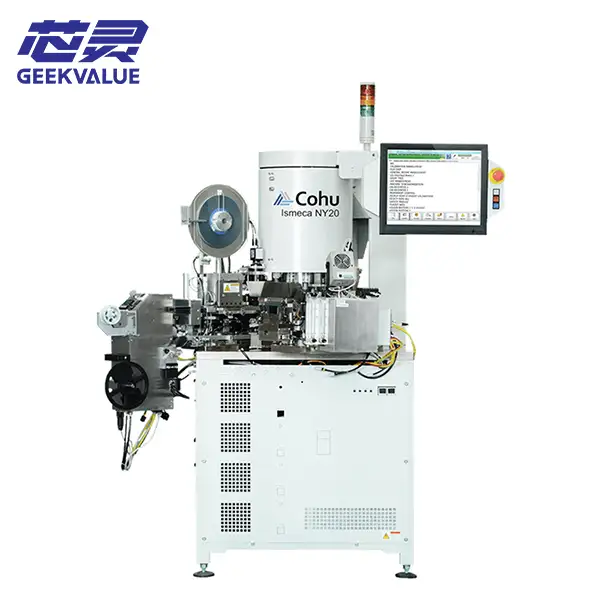
Turret Sorting Machine
ISMECA test handler NY20
The ISMECA NY20 (now owned by Cohu) is a 20-station rotary ultra-high-speed semiconductor testing and sorting machine
ave up to 70% on SMT Parts – In Stock & Ready to Ship
Get Quote →A turret sorting machine converts test and inspection results into controlled production output. It keeps each result matched to the correct device, applies the approved pass, fail or grade rule and routes the part to the required bin, tray, tube, tape or other destination.
Sorting begins with an approved result rule rather than the number of available output bins. The machine must receive the correct decision, preserve device identity and route every part without mixing grades.
Electrical test, optical inspection, marking verification, dimensional measurement or a combined production recipe may generate the sorting result.
Confirm accepted categories, retest logic, engineering samples, unknown states and any customer-specific bin map.
Possible destinations include bulk bins, tubes, trays, tape and reel, sample pockets or a controlled reject container.
Lot, reel, tray, pocket, device code and machine-event records may be needed to confirm that each part reached the intended output.
Open each product page to review the listed model. Test, inspection, binning, marking and output functions must be confirmed from the configuration included with the quotation.
The ISMECA NY20 (now owned by Cohu) is a 20-station rotary ultra-high-speed semiconductor testing and sorting machine
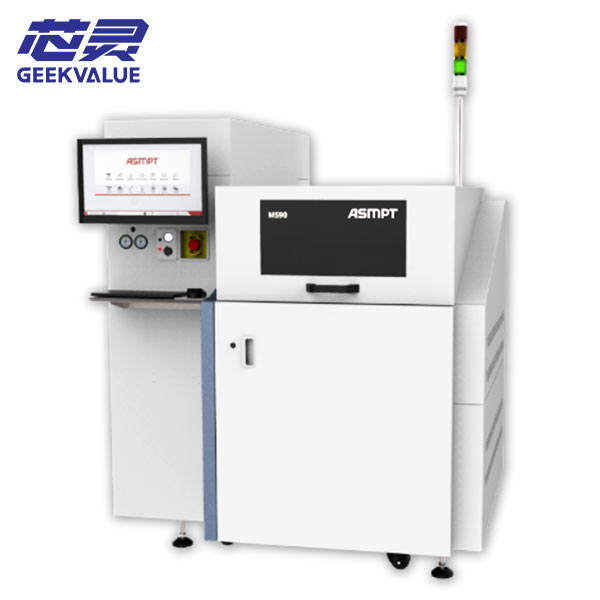
ASM sorting machine MS90 is a device designed for lamp bead sorting, with efficient and accurate sorting functions. This...
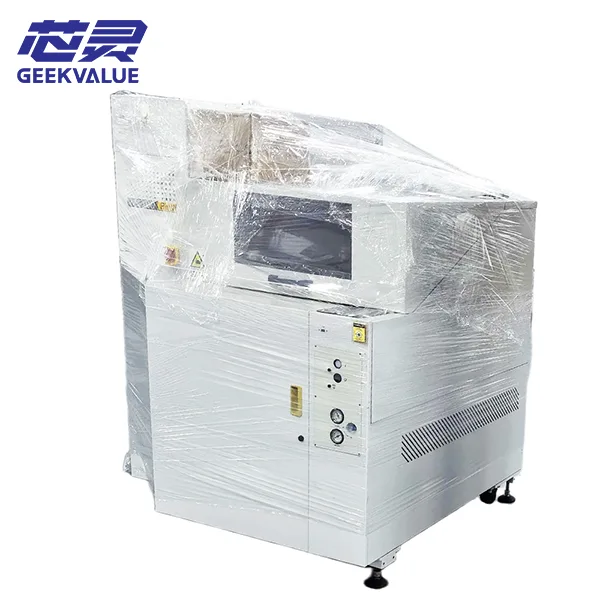
As an upgraded version of the MS100, the ASM MS100 Plus is also a device for chip sorting and arrangement based on wafer...
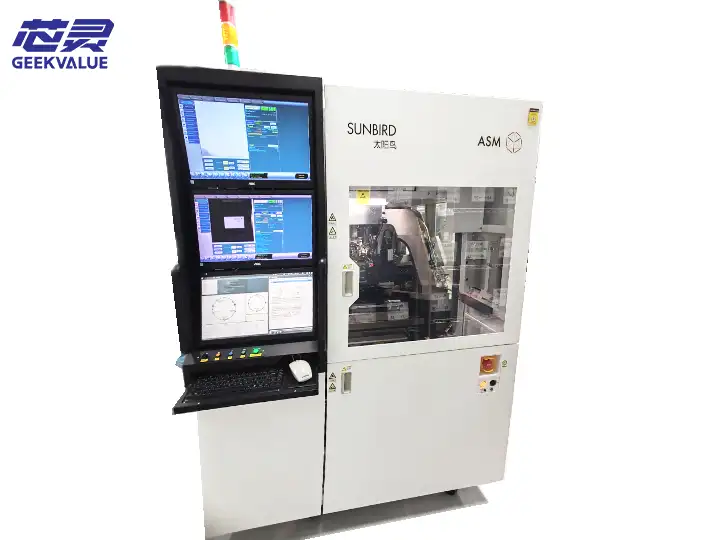
SUNBIRD provides an efficient, reliable and flexible wafer testing solution for the semiconductor industry through innov...
A sorter must do more than move parts quickly. It has to keep the result, device position and output destination synchronized throughout normal production, retest and exception handling.
Good devices may move to the main production output, but the machine still needs to confirm that the tray, tube, bin or tape pocket is available.
Electrical or visual rejects should be separated without contaminating accepted output, with a defined route for recheck, scrap or engineering review.
LED, sensor, power, analog and other devices may require several grades based on measured performance, color, appearance or customer limits.
Missing data, contact errors, unreadable codes and machine alarms need a controlled destination rather than being mixed with normal failures.
The correct output depends on downstream handling, shipment, inspection and packaging requirements. Tape and reel is only one route and should be reviewed separately when final packaging is the main objective.
Useful when devices can be collected by result or grade without maintaining a fixed pocket position. Bin count, capacity and mix-prevention controls still require verification.
Suitable for fragile, larger or orientation-sensitive devices that must remain in a defined matrix for the next process or shipment.
Common for selected leaded package families where gravity, package orientation and tube dimensions remain compatible.
Requires compatible carrier tape, pocket geometry, cover tape, sealing conditions, reel format and post-seal inspection.
Sorting reliability depends on device identity, motion synchronization, destination confirmation and software rules working together.
The machine must preserve device identity as the turret moves between test, inspection and output stations.
Bin presence, tray position, tube status or tape-pocket availability should be monitored according to the installed output route.
A sorting recipe may define more result categories than the machine has physical destinations. Decide which states must remain separate, which may share an output and how unavailable destinations or exception results should be handled.
Include pass, fail, grades, retest, no-contact, unreadable code, engineering sample and other exception states.
Several software results may share one destination only when the approved production rule permits it.
A full bin, missing tube, unavailable tray position or reel change must not cause a part to enter the wrong output.
Grade, reject, retest and output counts should reconcile before the lot is released to the next operation.
These answers focus on result classification, output control and grade-to-destination mapping rather than general turret architecture.
It receives test or inspection results, keeps each result matched to the correct device and sends the device to an approved bin, grade or packaging destination.
Many platforms can support several grades or result states, but the available logic and number of separate physical outputs depend on the installed hardware and software.
No. Several software results may share one physical destination when the production rule allows it. Results that must remain traceable or physically separate require dedicated outputs.
No. Some systems receive results from an integrated tester, while others classify devices from vision, marking or another process station.
The machine should stop, hold the device or follow another approved recovery rule. It should never release the part into a different destination without authorization.
Provide the package, input media, result source, grade and exception logic, required output formats, throughput target, preferred machine condition and destination.
Send the package type, result source, grade map, exception states, output media and production target so the available machines can be compared against the real sorting requirement.
Why do so many people choose to work with GeekValue?
Our brand is spreading from city to city, and countless people have asked me, "What is GeekValue?" It stems from a simple vision: to empower Chinese innovation with cutting-edge technology. This is a brand spirit of continuous improvement, hidden in our relentless pursuit of detail and the delight of exceeding expectations with every delivery. This almost obsessive craftsmanship and dedication is not only the persistence of our founders, but also the essence and warmth of our brand. We hope you will start here and give us an opportunity to create perfection. Let us work together to create the next "zero defect" miracle.
DetailsContact a sales expert
Reach out to our sales team to explore customized solutions that perfectly meet your business needs and address any questions you may have.

© All Rights Reserved. Technical Support:TiaoQingCMS