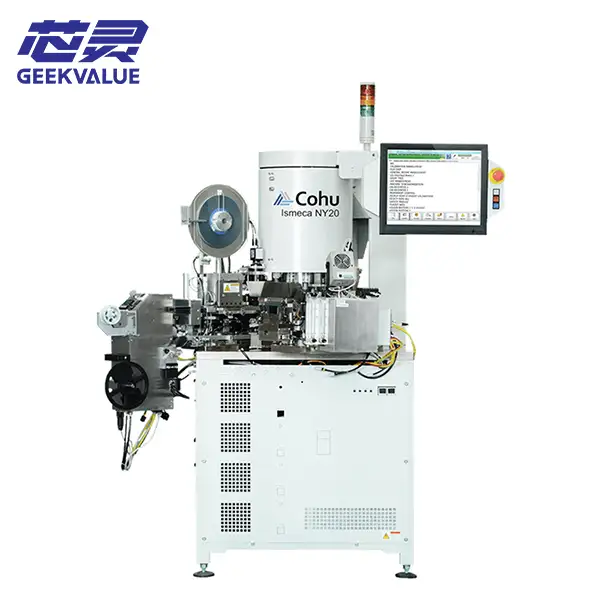
ISMECA test handler NY20
The ISMECA NY20 (now owned by Cohu) is a 20-station rotary ultra-high-speed semiconductor testing and sorting machine
ave up to 70% on SMT Parts – In Stock & Ready to Ship
Get Quote →A turret test handler moves packaged semiconductor devices through indexed test positions while coordinating contact, tester communication and result-based sorting. This page focuses on electrical test performance: test time, station count, index time, contact integrity and the actual machine configuration required to keep the test cell productive.
Turret test handlers are attractive for compact devices and repetitive high-volume production, but the correct platform depends on what limits the line. A machine comparison should begin with the test duration, contact method and required station configuration rather than a headline UPH number alone.
Additional test stations may be useful, provided the ATE resources, interface and handler platform support the intended parallel strategy.
Socket design, alignment, contact force, device planarity and maintenance condition should be reviewed before increasing speed.
Turret motion, pickup stability, orientation, placement and station synchronization become the main performance constraints.
Change kits, nozzles, guides, sockets, recipes and setup verification should be included in the equipment review.
A headline UPH figure does not explain whether a handler will improve the test cell. Review the electrical program, mechanical index, usable test stations and contact stability together before comparing equipment.
The device test duration determines whether one station can keep pace with the mechanical index.
Turret motion, pickup, placement and contact sequencing affect the available device cycle.
Multiple test stations help only when the ATE, interface and program support the intended parallel strategy.
Repeatable alignment, force and socket condition matter as much as theoretical mechanical speed.
Open each product page to review the listed model. The actual test stations, interface, contact hardware, input and output modules, software and included accessories must be confirmed for the specific machine.
The ISMECA NY20 (now owned by Cohu) is a 20-station rotary ultra-high-speed semiconductor testing and sorting machine
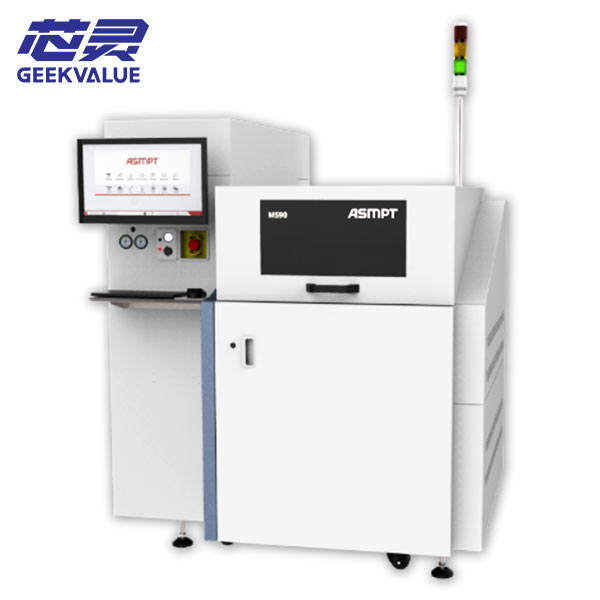
ASM sorting machine MS90 is a device designed for lamp bead sorting, with efficient and accurate sorting functions. This...
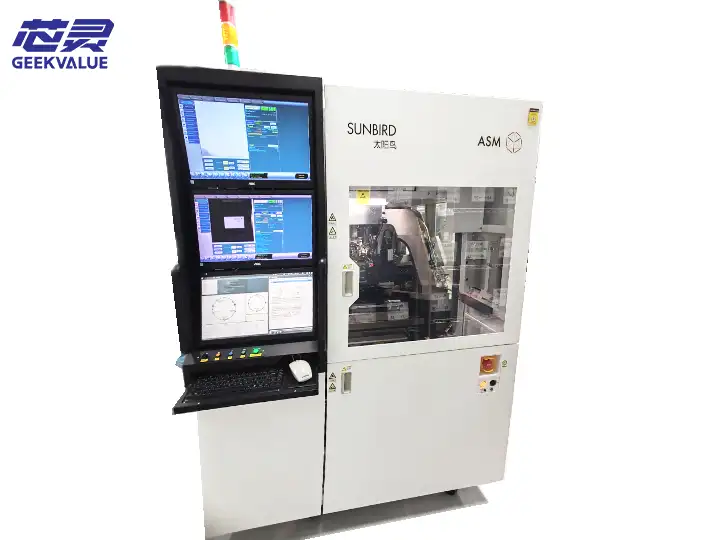
SUNBIRD provides an efficient, reliable and flexible wafer testing solution for the semiconductor industry through innov...
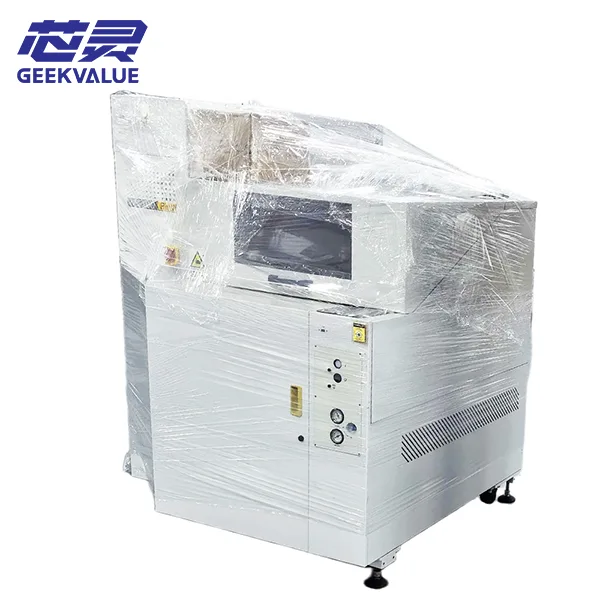
As an upgraded version of the MS100, the ASM MS100 Plus is also a device for chip sorting and arrangement based on wafer...
The handler moves and positions the device, but it does not replace the tester. A production-ready cell depends on the device interface, contact hardware, ATE resources and data exchange working with the installed turret test station.
Package dimensions, lead or pad geometry, fragility, orientation and temperature requirement.
Pickup, orientation, placement, station indexing and result-based device routing.
Mechanical alignment, force, compliance, pin condition and package-specific interface hardware.
Signal path, connection to the tester, test-site mapping and supported electrical resources.
Electrical stimulus, measurement, pass/fail result, multisite resources and data communication.
Multiple stations are not automatically better. Their value depends on the relationship between test time and mechanical index, the number of available tester channels, the interface design and whether the platform supports the required simultaneous or sequential test strategy.
Focus on stable pickup, placement, contact and turret synchronization rather than adding stations without a clear bottleneck.
Several test positions can keep devices under test while the turret continues indexing, subject to ATE and interface capacity.
Some systems can distribute a test sequence, but the actual architecture and tester support must be verified for the machine.
Contact yield, socket condition, alignment and force control should be corrected before scaling the number of test positions.
High-speed electrical test only creates value when the handler can place each device consistently without damaging the package or creating intermittent contact. This becomes especially important for small, thin, fragile or high-frequency devices.
Vision, nests, nozzles and guides must position the package correctly before the device reaches the contactor.
The force range and control method must suit the socket, package construction and number of contact points.
Worn or contaminated contact hardware can cause retest, false failure and unstable production results.
Ambient or hot-test requirements may change the contact hardware, soak strategy, utilities and achievable throughput.
A lower machine price does not necessarily produce the lowest cost per tested device. The useful comparison is how the handler, test interface and ATE perform together over sustained production.
Evaluate tested and accepted devices per hour, not only the mechanical maximum of an unloaded machine.
Retest, false fail and contact maintenance can remove the benefit of a faster nominal cycle.
Alarm handling, spare parts, software stability and maintenance access affect productive test-floor time.
Conversion kits, saved recipes and repeatable setup matter when several packages share the same line.
Multiple test stations increase capacity only when each site produces equivalent electrical results. Before production release, run the same reference devices through every station and compare measured values, pass/fail decisions, retest behavior and contact stability.
Hold the DUT lot, test program, temperature, ATE settings and contact condition constant so device variation does not hide a station-specific difference.
Run each reference device through every station more than once. Record first-pass results, retest behavior, contact alarms and any intermittent failure.
Review site-to-site offset, spread, distance from test limits and repeatability. A station may still show pass while developing a measurable bias.
Define the acceptable variation, maximum retest rate and the conditions that require socket service, interface inspection, remapping or station disablement.
Turret station number, socket or contactor ID, actuator position and maintenance status.
Tester site, channel assignment, interface board, load board and signal-path relationship.
Program version, electrical limits, temperature, contact-force setting and reference-device lot.
Measured values, pass/fail result, first-pass yield, retest count, contact alarms and approved disposition.
These questions focus on electrical test performance and test-cell integration rather than the general turret architecture.
It is commonly considered for compact packaged devices, repetitive high-volume production and test cells where indexed multi-station handling can match the device test time and required finishing route.
The answer depends on test time, mechanical index time, ATE resources, test-site strategy and the actual machine architecture. More stations are useful only when they address a verified bottleneck.
Run the same reference devices through every active station under the same program, temperature and contact conditions. Compare measured values, first-pass yield, retest behavior and contact alarms before approving the sites for production.
Not necessarily. The handler, tester, interface board, contactor, socket and test program may be supplied separately. The quotation should clearly state what is included.
Provide the package drawing, pad or lead layout, device thickness, contact-force requirement, test time, temperature condition and preferred socket or contactor information.
Often it is possible, but the conversion may require new nozzles, guides, nests, change kits, sockets, interface hardware and recipes. The economic value depends on the available base configuration.
The quotation should identify the exact machine, installed test stations, contact and interface hardware, change kits, input/output modules, software, accessories, condition, verification scope and delivery support.
Send the device package, test duration, ATE platform, required stations, temperature condition, quantity and destination. We will review the available turret test handler configuration and quotation scope.
Why do so many people choose to work with GeekValue?
Our brand is spreading from city to city, and countless people have asked me, "What is GeekValue?" It stems from a simple vision: to empower Chinese innovation with cutting-edge technology. This is a brand spirit of continuous improvement, hidden in our relentless pursuit of detail and the delight of exceeding expectations with every delivery. This almost obsessive craftsmanship and dedication is not only the persistence of our founders, but also the essence and warmth of our brand. We hope you will start here and give us an opportunity to create perfection. Let us work together to create the next "zero defect" miracle.
DetailsContact a sales expert
Reach out to our sales team to explore customized solutions that perfectly meet your business needs and address any questions you may have.

© All Rights Reserved. Technical Support:TiaoQingCMS