
If you’ve ever wondered how today’s electronics are built so fast and so small, you’ve already touched the world of SMT.
So let’s answer the question directly:
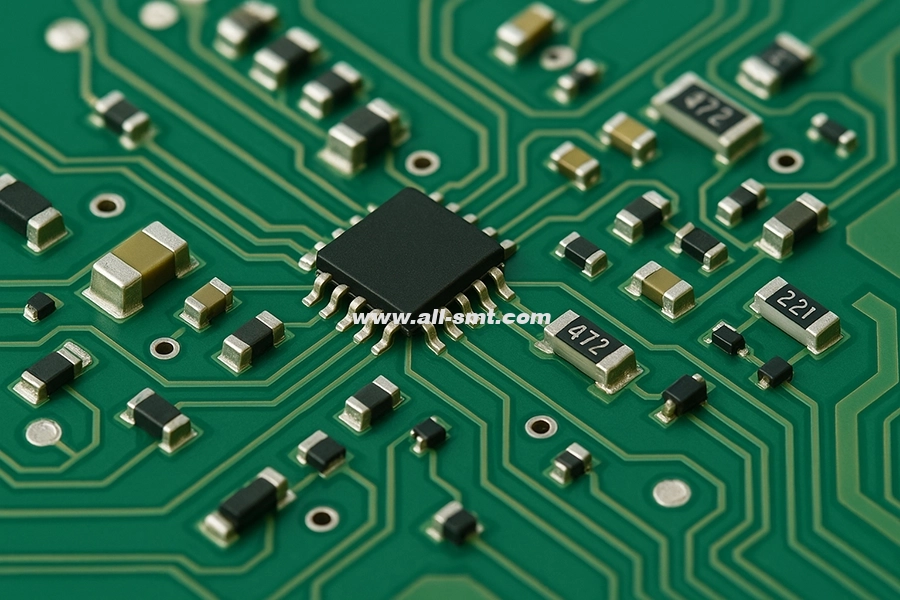
SMT means Surface Mount Technology—the modern process of building circuit boards by placing tiny electronic components directly on the PCB surface and soldering them in a reflow oven. Compared with through-hole methods, SMT enables smaller products, faster automated assembly, higher reliability, and double-sided layouts.
In short, SMT is the technology that makes modern electronics possible — from smartphones and LED displays to cars and medical devices.
What SMT Really Is
Before SMT, every component had long metal leads that were pushed through holes in a PCB and soldered on the other side.
That old method is called Through-Hole Technology (THT) — slow, bulky, and labor-intensive.
SMT means Surface Mount Technology—the modern process of building circuit boards by placing tiny electronic components directly on the PCB surface and soldering them in a reflow oven. Compared with through-hole methods, SMT enables smaller products, faster automated assembly, higher reliability, and double-sided layouts.
No more holes, no more manual soldering — just clean, fast, automated assembly.
That’s the true meaning of SMT:
A high-precision, automated way to build circuit boards by placing and soldering components directly on the board’s surface.
Background of SMT
The story of Surface Mount Technology goes back more than half a century.
In the 1960s, IBM began experimenting with a process called Planar Mounting, which was an early form of placing components directly on printed circuit boards. Over the following two decades, this concept evolved into what we now call SMT.
By the mid-1970s, manufacturers were already using surface mounting to produce watches and calculators, taking advantage of smaller, faster assembly.
But it wasn’t until the 1980s — when electronic components became drastically miniaturized — that SMT truly took off.
By 1986, surface-mounted devices (SMDs) accounted for about 10% of all electronic assemblies.
Just four years later, they had become the dominant method for PCB manufacturing worldwide.
During this evolution, several related terms became common in the industry:
SMD – Surface-Mount Device
SMA – Surface-Mount Assembly
SMC – Surface-Mount Component
SMP – Surface-Mount Package
SME – Surface-Mount Equipment
Together, these terms describe the ecosystem that made SMT the foundation of modern electronics manufacturing.
How SMT Works — Step by Step
Let’s walk through what actually happens on an SMT production line.
Here’s how your phone’s mainboard or LED control card is born:
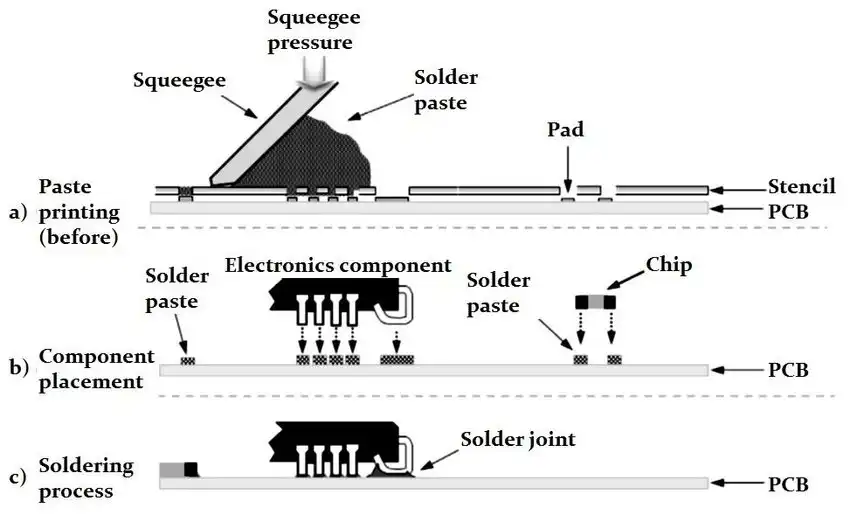
1. Solder Paste Printing
A thin layer of solder paste is applied onto the PCB using a metal stencil.
This paste will later melt and hold the components in place.
2. Pick and Place
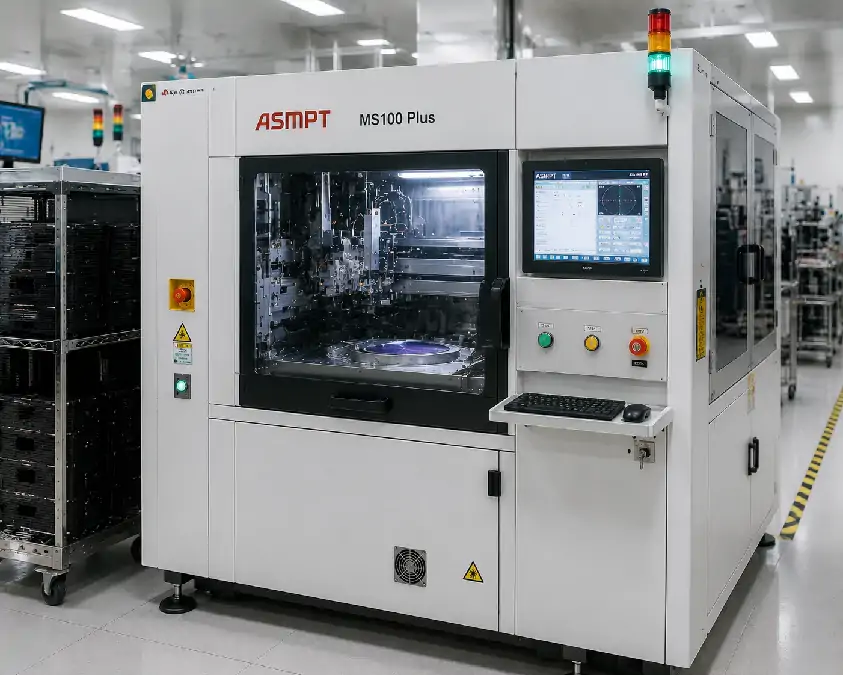
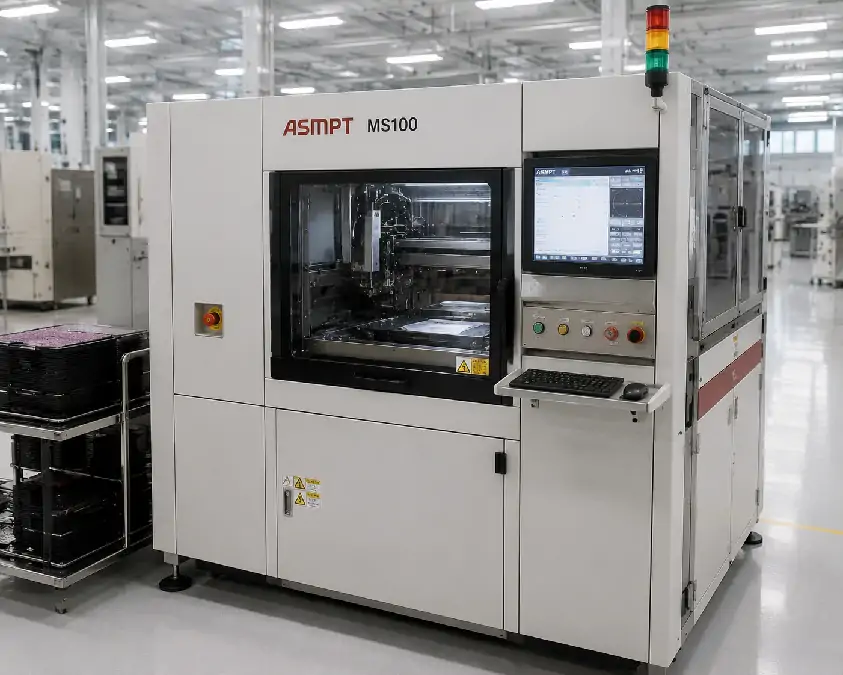
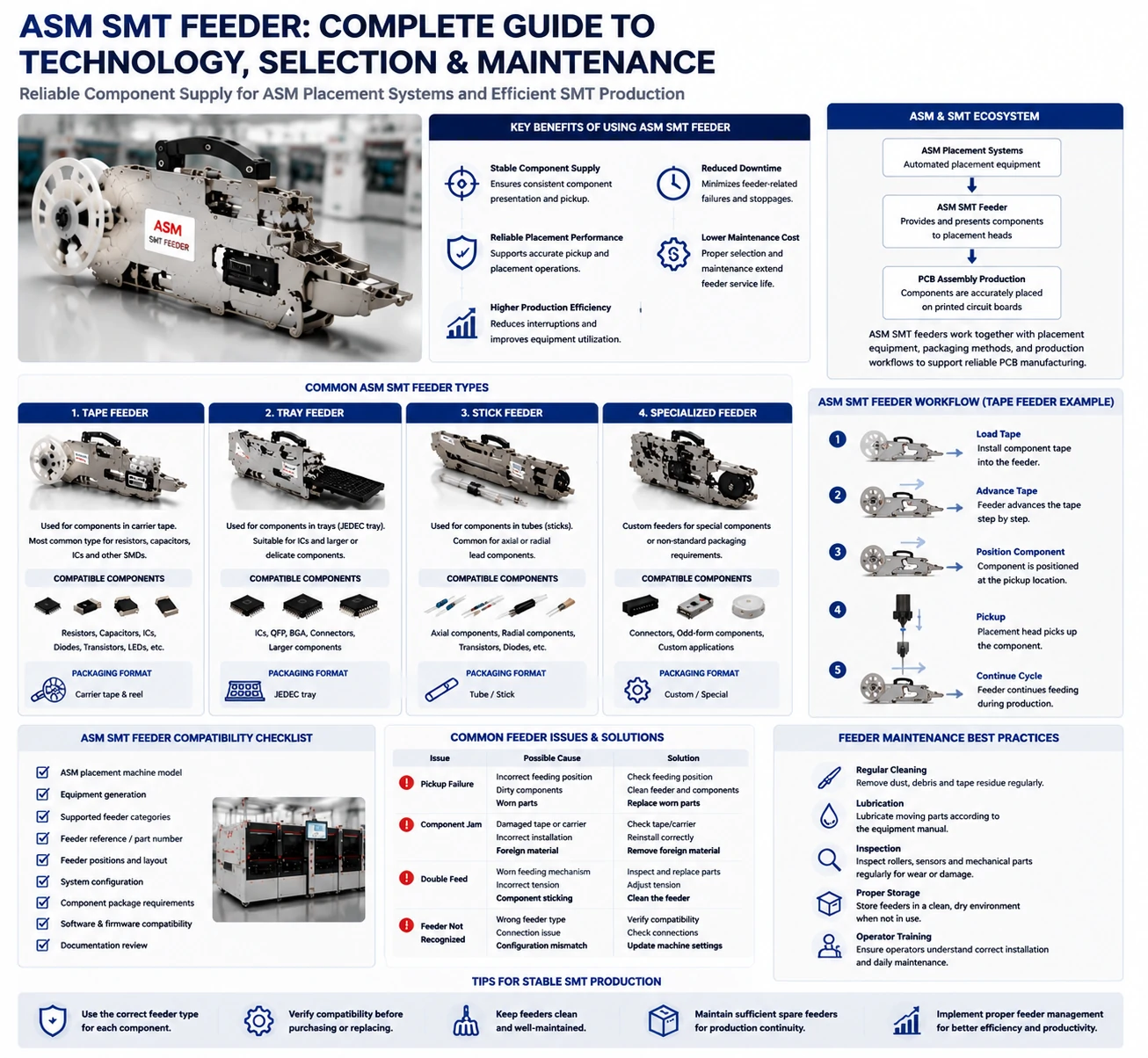
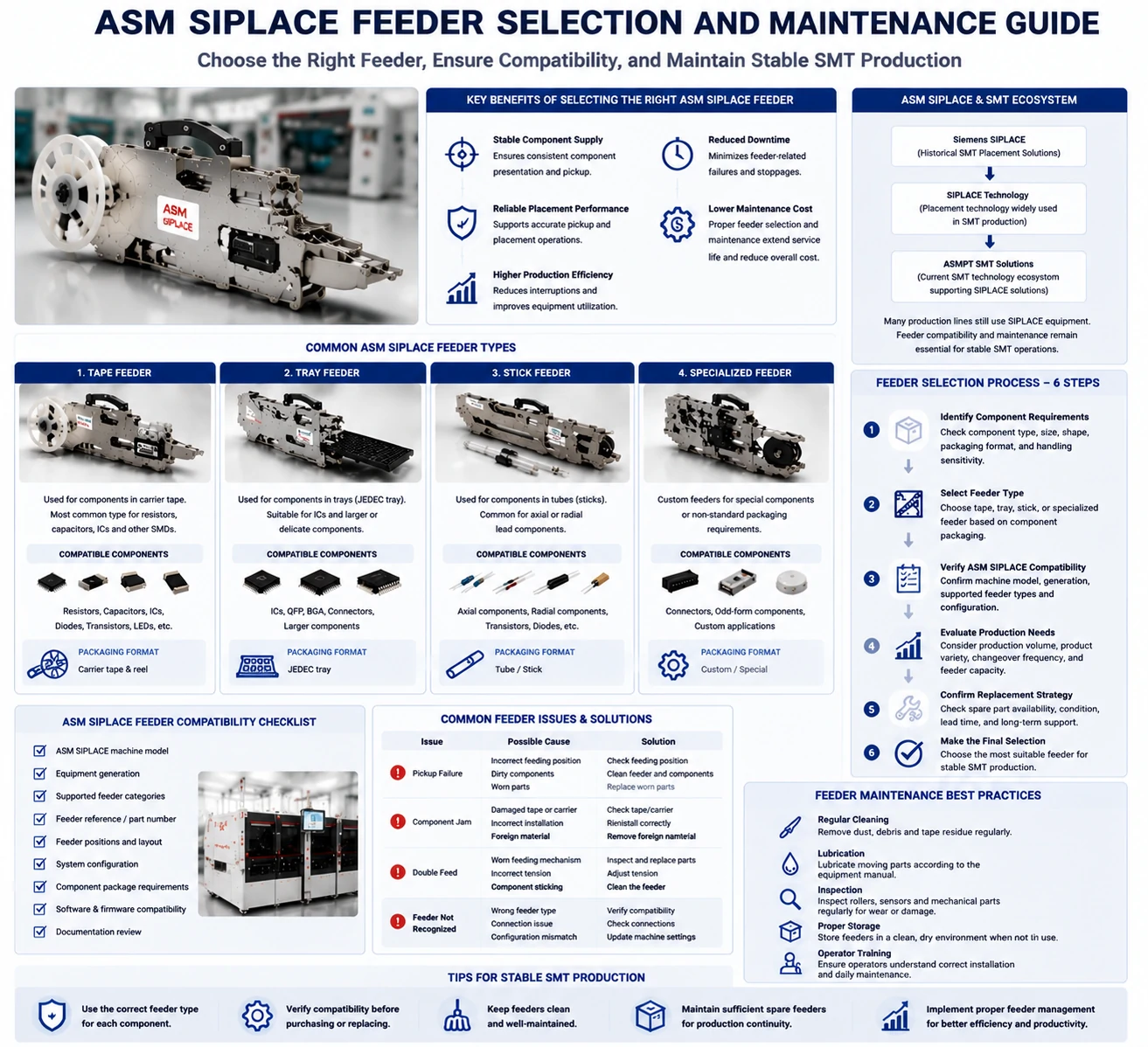
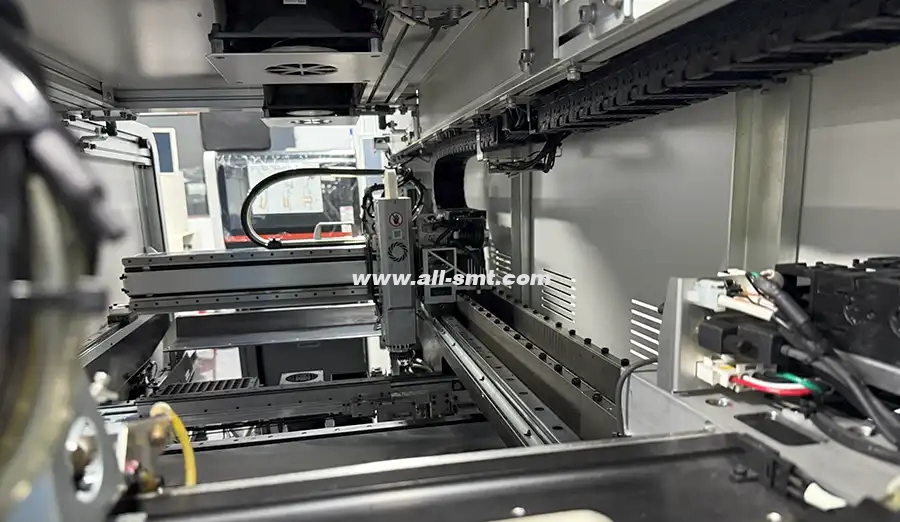
Robotic machines called pick-and-place systems pick up SMD components from reels and place them precisely on the solder paste pads.
Each machine can mount tens of thousands of parts per hour.
3. Reflow Soldering
The PCB passes through a reflow oven, where heat melts the solder paste, bonding each part permanently to the board.
After cooling, every joint is solid and reliable.
4. Inspection and Testing
Cameras and sensors (in AOI or X-ray systems) check every solder joint for accuracy.
If a defect appears, it’s reworked manually by skilled engineers.
That entire process — from a bare board to a complete circuit — takes only a few minutes.
What Makes SMT So Important
You can think of SMT as the backbone of modern electronics manufacturing.
Here’s why it matters:
Miniaturization: It allows thousands of components to fit on tiny boards.
Automation: Machines do the work, making production faster and more consistent.
Performance: Shorter electrical paths mean less signal loss and better reliability.
Cost Efficiency: Once set up, SMT lowers labor and material costs dramatically.
Flexibility: Components can be mounted on both sides of a PCB.
Without SMT, we wouldn’t have compact laptops, smartwatches, or LED walls — everything would still look like 1980s electronics.
SMT vs. SMD — What’s the Difference?
This is where people often get confused.
SMT = Surface Mount Technology → the process or method
SMD = Surface Mount Device → the actual component used in that process
So, SMT is how it’s done, and SMD is what gets placed.
Think of SMT as the kitchen, and SMDs as the ingredients.
SMT vs. Through-Hole Technology
| Feature | SMT | Through-Hole |
|---|---|---|
| Mounting | On the PCB surface | Through drilled holes |
| Assembly | Automated | Manual or semi-manual |
| Size | Small, compact | Large, bulky |
| Cost | Low in mass production | High labor cost |
| Speed | Extremely fast | Slow |
| Use | Modern electronics | Power or high-stress circuits |
Through-hole still has its place — for connectors, large capacitors, or power modules —
but for everything else, SMT is the standard.
Real-World Examples of SMT in Action
You’ll find SMT everywhere:
Smartphones: every microchip and resistor on your phone’s board is surface-mounted.
LED lighting: SMD2835 and SMD5050 LEDs are mounted using SMT lines.
Automotive systems: engine controllers, dashboard displays, sensors.
Medical devices: compact monitors and diagnostic tools.
Industrial control: robots, sensors, automation systems.
Basically, if it has a circuit board, it was built with SMT.
What Happens Inside an SMT Line
A full SMT production line usually includes:
PCB Loader – feeds boards automatically.
Solder Paste Printer – prints precise solder paste patterns.
Pick and Place Machine – positions all SMD parts.
Reflow Oven – melts the solder and locks parts in place.
AOI (Automated Optical Inspection) – checks for solder or placement errors.
Unloader – stacks finished boards ready for testing.
It’s a completely automated process that runs day and night in factories around the world.
Advantages and Limitations of SMT
✅ Advantages
High production speed
Consistent quality
Compact and lightweight designs
Lower overall cost
Suitable for both small and large batch manufacturing
⚠️ Limitations
Difficult to rework manually
Sensitive to heat during reflow
Requires precise equipment and clean conditions
Even with these limitations, SMT remains the most efficient and scalable manufacturing method in electronics today.
The Future of SMT
Modern SMT factories are becoming smarter.
AI and machine learning now help inspection systems recognize defects automatically.
IoT technology allows every machine to communicate real-time data to engineers.
Predictive maintenance can stop breakdowns before they happen.
In other words, SMT is moving from automation to intelligence — the heart of smart manufacturing.
Quick Recap: What Does SMT Mean?
| Term | Definition |
|---|---|
| SMT | Surface Mount Technology — a method of assembling electronic components directly onto PCB surfaces |
| Purpose | Build faster, smaller, and more reliable electronic products |
| Key Machines | Solder paste printer, pick-and-place machine, reflow oven, AOI |
| Core Benefit | Automation, precision, and compact design |
| Industry Use | Consumer electronics, automotive, LED, medical, industrial control |
So, if someone asks you again “What does SMT mean?”,
you can answer in one clear sentence:
“SMT means Surface Mount Technology — the automated process of building circuit boards by mounting components directly onto the board’s surface.”
That’s the full picture — simple, accurate, and practical.
About GEEKVALUE – Your SMT Partner
At GEEKVALUE, we’ve helped hundreds of factories set up and maintain professional SMT lines.
We supply SMT machines, feeders, spare parts, and repair services for top brands like Yamaha, Fuji, Panasonic, JUKI, Samsung, and ASM SIPLACE.
Whether you’re expanding production or need fast feeder replacement, we deliver real solutions — quickly, reliably, and cost-effectively.