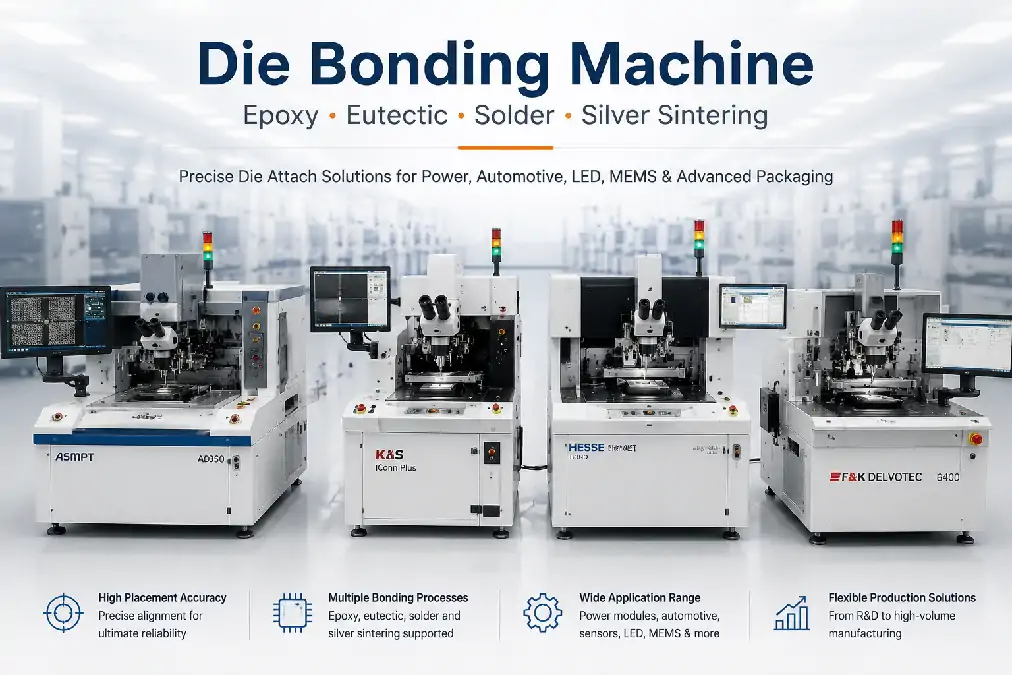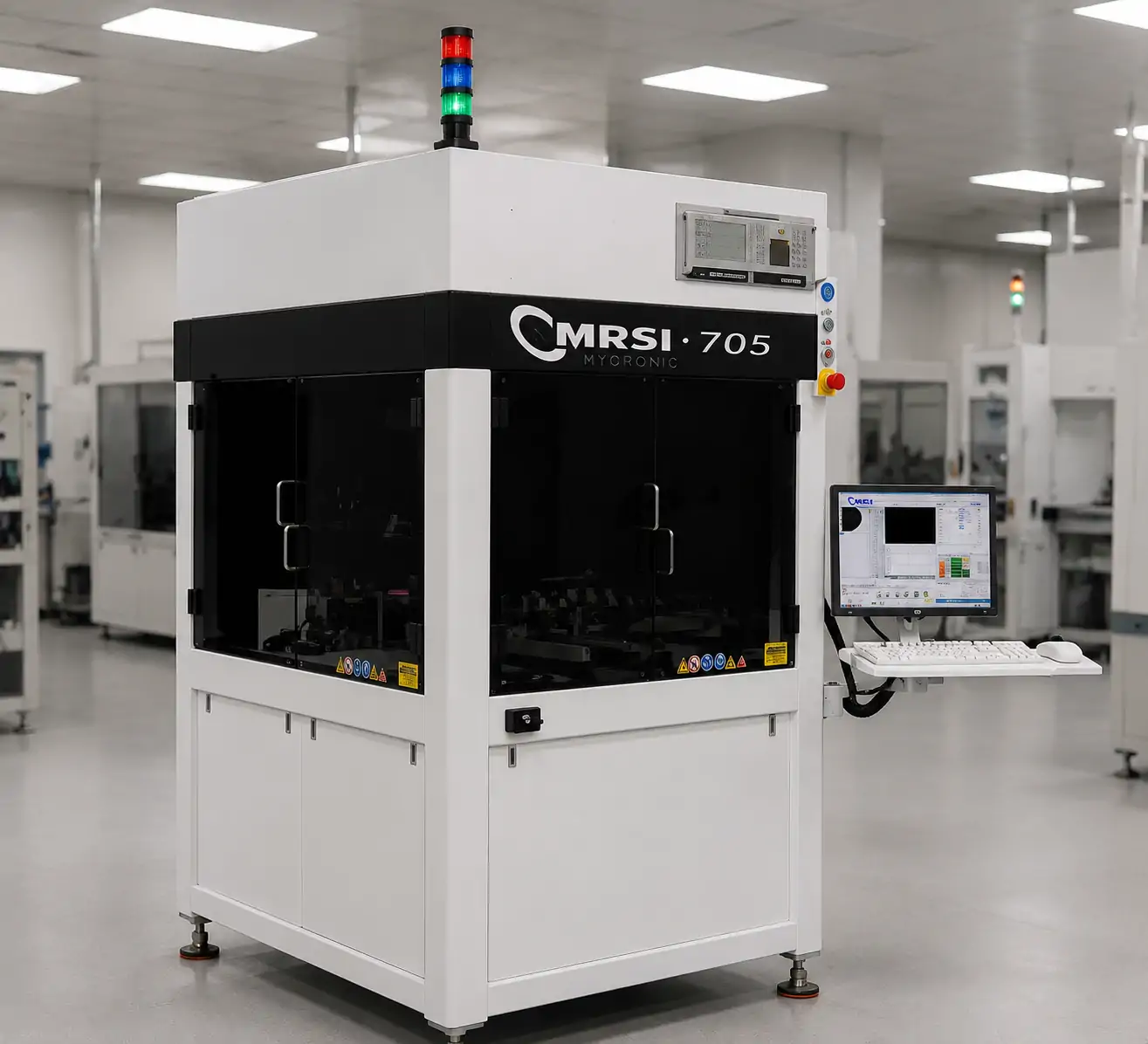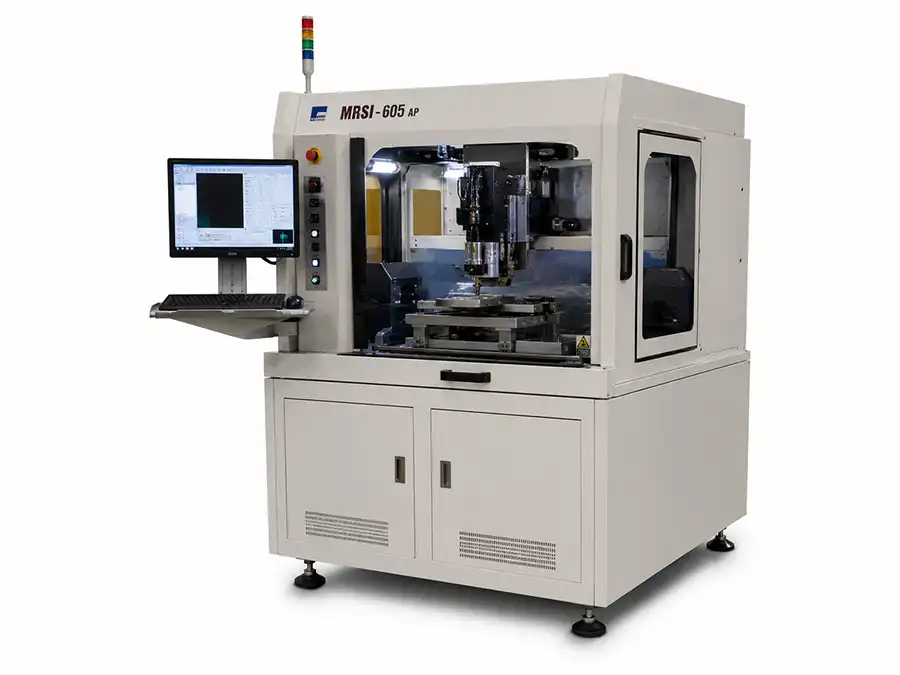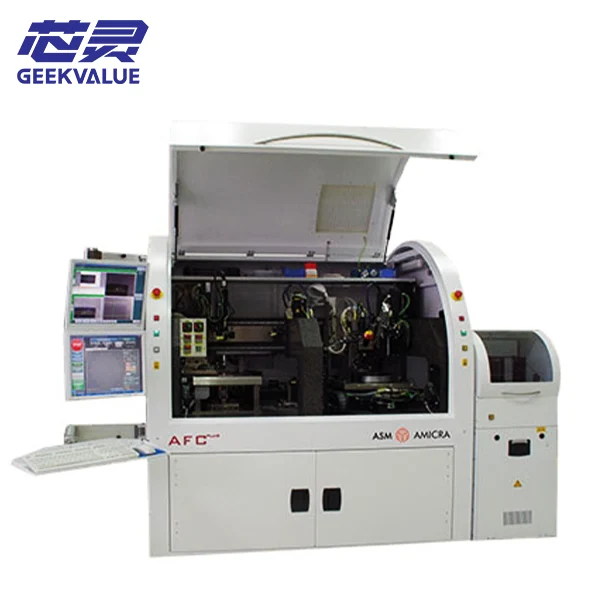

There is no single standard price for a die bonding machine. Two machines with the same brand and model can have different bonding heads, wafer systems, dispensers, heating modules, software licenses, tooling, operating histories and delivery scopes.
The purchase price also does not show the complete investment. A lower-cost machine may require additional fixtures, ejectors, software work, calibration, process development or replacement parts before it can run the intended product.
A useful price comparison must therefore connect the machine identity, installed configuration, process capability, condition, test evidence and final delivery list.
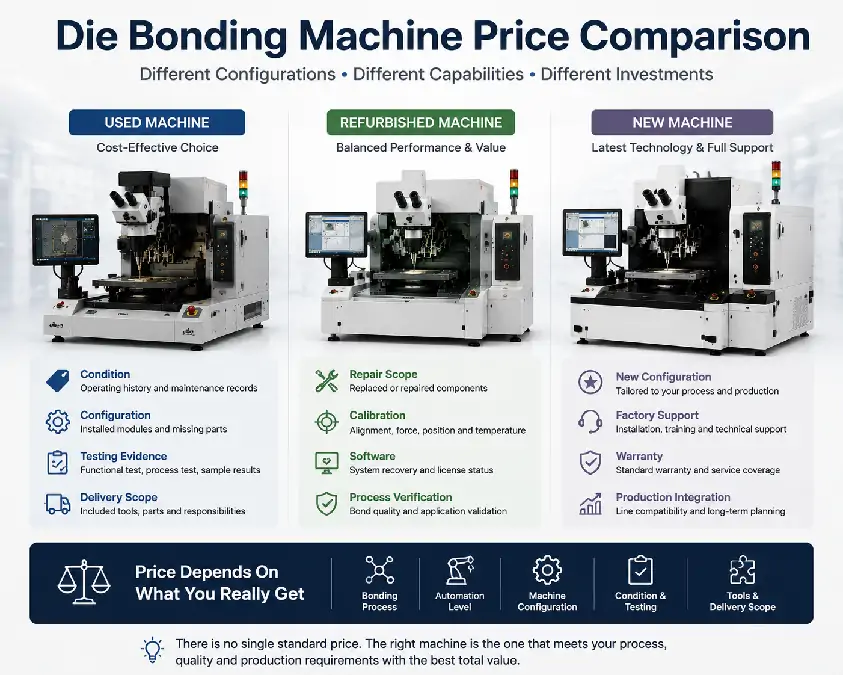
Why Die Bonding Machine Prices Vary
The words “die bonder” can describe equipment ranging from a manually loaded development system to a fully automatic high-volume production line. The price changes because the machines solve different manufacturing tasks.
| Price Factor | Lower-Complexity Direction | Higher-Complexity Direction |
|---|---|---|
| Automation | Manual loading and operator-controlled changeover | Automatic wafer, substrate, tool and magazine handling |
| Bonding process | Basic epoxy placement | Eutectic, soft solder, sintering, thermocompression or multi-process capability |
| Placement requirement | Standard die attach accuracy | High-precision, post-bond correction or submicron alignment |
| Material input | Single tray or manually loaded wafer | Multiple wafers, waffle packs, Gel-Paks, feeders and automatic changeover |
| Process modules | Basic pick-and-place head | Dispensing, stamping, dipping, heating, scrub, gas and high-force bonding |
| Inspection | Basic alignment camera | Pre-bond inspection, post-bond inspection, traceability and process monitoring |
| Production capacity | Development, prototype or low-volume operation | High-speed, multi-head or continuous high-volume production |
Price should therefore be compared against the required production result. Paying for unused automation is unnecessary, but buying a machine without the required process modules can create a larger conversion cost later.
New, Used and Refurbished Describe Different Buying Routes
New Die Bonding Machines
New equipment is generally considered for new production lines, long-term capacity planning, advanced processes or projects that require current software, factory support and a defined warranty.
The quotation may include:
Application review and machine configuration
New process modules and tooling
Factory acceptance testing
Installation, training and documentation
Current software and support arrangements
A defined warranty and spare-parts plan
New equipment often has the highest initial purchase price, but it may reduce the amount of unknown configuration, repair and obsolescence risk.
Used Die Bonding Machines
A used die bonder may be suitable for replacement, capacity expansion, pilot production or projects with a controlled investment budget.
The term “used” does not define the machine condition. One machine may remain in operating production, while another may have been stored, partly dismantled or sold without important tools and software.
The price should be reviewed together with:
Serial number and manufacturing history
Current operating status
Installed modules and missing components
Available maintenance and calibration records
Software access and backups
Test scope and known defects
Included tooling and delivery responsibility
Refurbished Die Bonding Machines
Refurbished equipment may provide a middle route between an as-is used machine and a new system. However, the word “refurbished” is not enough to compare two quotations.
The seller should define which work has actually been completed, such as:
Cleaning and mechanical inspection
Replacement of damaged or worn components
Bond-head, ejector, stage and vision checks
Force, position and temperature calibration
Software recovery and machine backups
Functional or application-based testing
Cosmetic restoration
Cosmetic repainting and a power-on video are not equivalent to a documented mechanical, electrical and process refurbishment.
The Bonding Process Has a Major Effect on Price
A basic epoxy machine and a multi-process die bonder may share a similar external shape while containing very different hardware.
| Process Direction | Possible Cost-Driving Modules |
|---|---|
| Epoxy die bonding | Jetter, dispenser, auger, stamping tool, material control and curing integration |
| Eutectic die bonding | Heated bond head, pulsed heat, scrub, preform handling, atmosphere and cooling control |
| Soft solder die bonding | Solder preparation, heated process zone, gas control, leadframe handling and process monitoring |
| Silver sintering | Paste or film handling, high-force heated head, bond-line control and downstream sintering equipment |
| Flip chip or thermocompression | High-accuracy alignment, dipping or flux, controlled force, heating and post-bond verification |
A seller should identify which process modules are installed, operational and included. “Eutectic capable” or “sintering ready” should not be accepted without a configuration record and test scope.
Accuracy and Output Must Be Compared Under Real Conditions
Published placement accuracy and UPH can influence equipment value, but maximum numbers should not be compared without their test conditions.
Review:
Whether accuracy is specified at one sigma, three sigma or another method
Whether the value describes pre-bond or post-bond placement
The die size and substrate used for the benchmark
The selected bond head and vision configuration
Whether dispensing, inspection and material changes are included in the cycle
The number of machine heads or modules included in the output figure
How much changeover and operator intervention the real product requires
A higher-output machine may justify a higher price in stable high-volume production. The same capacity may provide little value in a low-volume project with frequent product changes and long process qualification cycles.
Material Handling and Automation Change the Investment
The machine must receive the die, bonding material and substrate in a repeatable way. Automatic handling can improve output and reduce manual variation, but every added system also affects purchase price, maintenance and changeover.
Die Input
Manual tray
Waffle pack or Gel-Pak
Wafer frame and ejector
Multiple automatic wafer systems
Tape-and-reel or feeder input
Substrate Input
Manually loaded carrier
Leadframe strip
Magazine
Boat or custom fixture
DBC or AMB substrate
Automatic conveyor or handler
Changeover
Manual pickup-tool replacement
Automatic tool changer
Automatic ejector change
Multiple die and material recipes
Automatic wafer or magazine change
A machine with the correct placement head but the wrong wafer, substrate or tool-changing arrangement may require significant additional work before production.
Machine Condition Determines More Than Repair Cost
Condition affects price because wear or damage can change accuracy, stability, output and the amount of qualification work required after delivery.
| Condition Area | What to Check | Possible Budget Effect |
|---|---|---|
| Bond head | Force control, bearings, sensors, heater and tool interface | Repair, replacement, calibration and process-development cost |
| Wafer and ejector system | Stage motion, ejector condition, frame handling and map operation | Replacement tooling, wafer module repair or limited die compatibility |
| Vision system | Cameras, optics, lighting, calibration and image-processing hardware | Recognition instability, replacement cameras or reduced accuracy |
| Dispensing system | Valve, jetter, auger, pressure control and material path | Consumables, repair, cleaning and material-qualification work |
| Motion system | Axes, encoders, drives, stage flatness and repeatability | Mechanical repair, alignment and calibration cost |
| Thermal system | Heaters, sensors, controllers, gas and cooling | Process instability or missing eutectic, solder and sintering capability |
| Industrial computer | Controller, storage, communication boards and backup status | Software recovery, obsolete hardware and extended commissioning |
An application-based test usually provides more useful value information than appearance alone. The test should exercise the machine functions that determine whether the buyer can reproduce the intended process.
Software, Tooling and Licenses Belong in the Price Comparison
Software and tooling are easy to overlook because they may not appear clearly in a machine photograph.
Confirm whether the quotation includes:
Industrial computer and operating software
Active process and machine licenses
Wafer mapping and traceability functions
Machine configuration and calibration files
Product recipes and backups
Pickup and bond collets
Ejector tools and needles
Dispensing, stamping or dipping tools
Workholders, carriers and substrate fixtures
Calibration tools and reference items
Manuals, diagrams and available service records
A lower machine price can lose its advantage when essential tooling or software must be sourced separately after delivery.
Compare Quotations by Scope, Not by Headline Price
The most reliable comparison uses the same categories for every candidate machine.
| Quotation Area | Candidate A | Candidate B | What Must Be Comparable |
|---|---|---|---|
| Machine identity | Record exact model and serial number | Record exact model and serial number | The quotation and evidence must refer to the same physical machine. |
| Condition | New, used or defined refurbishment scope | New, used or defined refurbishment scope | Do not compare an as-is machine with a tested system as if their condition were equal. |
| Bonding process | List installed process modules | List installed process modules | Confirm the required epoxy, eutectic, solder, sintering or other capability. |
| Material handling | List wafer, tray and substrate systems | List wafer, tray and substrate systems | Compare actual input formats and changeover capability. |
| Accuracy and capacity | Record applicable test conditions | Record applicable test conditions | Use the intended product mix rather than unrelated maximum figures. |
| Software and tooling | List included items and licenses | List included items and licenses | Identify what must still be purchased or developed. |
| Test scope | Power-on, dry cycle or application test | Power-on, dry cycle or application test | The evidence level and acceptance criteria should be equivalent. |
| Delivery scope | Packing, shipping, installation and support | Packing, shipping, installation and support | Separate machine price from logistics and commissioning responsibilities. |
The lowest headline price is not necessarily the lowest-cost production option. The better quotation is the one that makes the required capability, remaining work and unresolved risk visible before purchase.
Include the Costs That Begin After the Purchase
A practical investment budget may also need to include:
Machine inspection and application testing
Mechanical or electrical repair
Replacement cameras, computers, drives or controllers
New collets, ejectors, workholders and fixtures
Software recovery or license work
Process-material and recipe development
Calibration and product qualification
Export packing, freight, insurance and customs
Rigging, utilities and factory installation
Spare parts and preventive-maintenance stock
Production downtime during transfer or commissioning
These items do not mean used equipment is always less economical. They show why the machine price should be evaluated together with the work required to reach usable production.
For a practical example of configuration-dependent purchasing, the ASM AD838 die bonder configuration guide explains how wafer, carrier, tooling, material preparation and software can change the value of an individual machine.
When Each Buying Route May Fit
New Equipment May Fit When
The project requires a current or highly specialized process.
Factory support, warranty and long-term software access are priorities.
The required configuration is difficult to find on the used market.
The production volume justifies a larger initial investment.
Refurbished Equipment May Fit When
A mature platform still matches the production requirement.
The completed refurbishment and test scope are clearly documented.
Faster delivery or lower investment is important.
Parts, tooling and engineering support remain available.
Used Equipment May Fit When
The buyer can inspect and evaluate the exact machine.
The project has internal repair or process-development resources.
The machine is needed for replacement, trial production or controlled capacity expansion.
The remaining conversion work is understood and included in the budget.
Information Needed for an Accurate Die Bonder Quote
A supplier can provide a more meaningful quotation when the request includes:
Required bonding process
Die dimensions, thickness and input format
Substrate type, dimensions and loading method
Bonding material and material-application route
Placement accuracy, theta and bond-height requirement
Bond force, heating and atmosphere requirements
Target UPH and product mix
Required dispenser, tool changer, vision and inspection functions
Preferred new, used or refurbished condition
Required test, tooling, packing and delivery scope
Without this information, the quotation may describe an available machine but still fail to represent the actual project cost.
Die Bonding Machine Price FAQ
How much does a die bonding machine cost?
The price depends on the machine type, process, accuracy, automation, configuration, condition, software, tooling and delivery scope. An accurate figure requires a quotation for an identified machine or a defined new-equipment configuration.
Is a refurbished die bonder always more expensive than a used one?
Not necessarily. The price depends on the refurbishment work, replacement parts, calibration, testing and included support. Compare the documented scope rather than the label alone.
Why can two machines of the same model have different prices?
They may have different bond heads, wafer systems, dispensers, heaters, software, tooling, operating history, condition and test evidence.
Does the machine price include tooling?
It depends on the quotation. Pickup tools, ejectors, workholders, stamping tools, dispensing hardware and calibration items should be listed individually.
Is the lowest-price used die bonder the best value?
Only when its configuration, condition and remaining conversion cost still meet the project. A lower purchase price can be offset by missing modules, repair, software, tooling and qualification work.
Final Recommendation
Die bonding machine price should be evaluated as the cost of obtaining a usable production configuration. Compare the exact machine, bonding process, material handling, accuracy, automation, software, tooling, test evidence and delivery list before comparing the final number.
Review current new, used and refurbished die bonding machines, then send the required process, die, substrate, output and equipment condition through the All-SMT quotation page. A meaningful quote should make both the included capability and the remaining work clear.