EN
EN id
id sk
sk sr
sr sv
sv it
it pt
pt bn
bn ms
ms be
be nl
nl fr
fr th
th vi
vi ru
ru ja
ja ko
ko de
de hy
hy az
az bs
bs bg
bg my
my cs
cs da
da dv
dv el
el et
et fil
fil fi
fi ga
ga gl
gl gn
gn he
he hi
hi km
km hr
hr hu
hu is
is kn
kn rw
rw lo
lo lv
lv lt
lt lb
lb lg
lg mi
mi mt
mt ne
ne no
no ny
ny or
or om
om per
per pl
pl ro
ro sa
sa so
so es
es sw
sw ta
ta tr
tr uk
uk ur
ur cy
cy xh
xh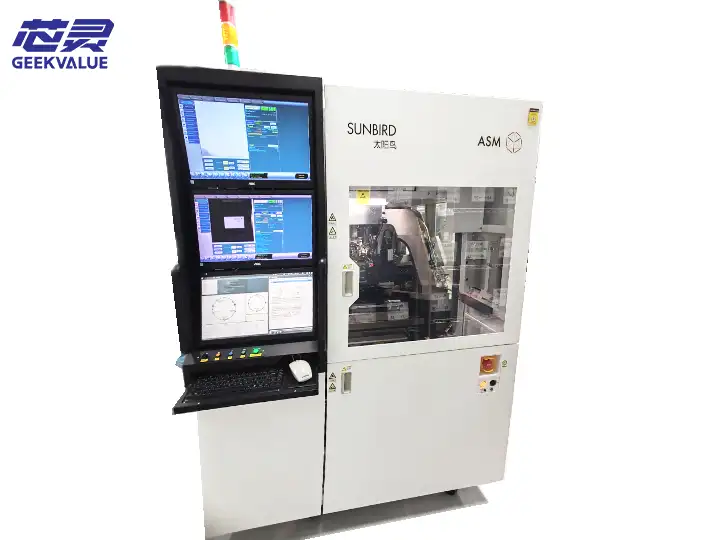
IC Test Handler
ASM Pacific Technology Turret Wafer Level Test System SUNBIRD
SUNBIRD provides an efficient, reliable and flexible wafer testing solution for the semiconductor industry through innov...
ave up to 70% on SMT Parts – In Stock & Ready to Ship
Get Quote →An IC test handler presents packaged semiconductor devices to the tester under controlled mechanical and thermal conditions, then routes them according to the electrical result. Equipment selection depends on the package, production media, test temperature, active site count, contact interface and semiconductor tester already used on the line.
Package family, body size, terminal structure, pickup surface, device power and sensitive areas.
Tray, tube, tape, bulk, strip, film frame or another supported production carrier.
Ambient, hot, cold or tri-temperature testing with the required soak and recovery conditions.
Active sites, electrical test duration, contact method, tester resources and interface requirements.
Review the available machines, then confirm the installed package kit, thermal configuration, active test sites, tester interface, software and included accessories on the individual unit.
SUNBIRD provides an efficient, reliable and flexible wafer testing solution for the semiconductor industry through innov...
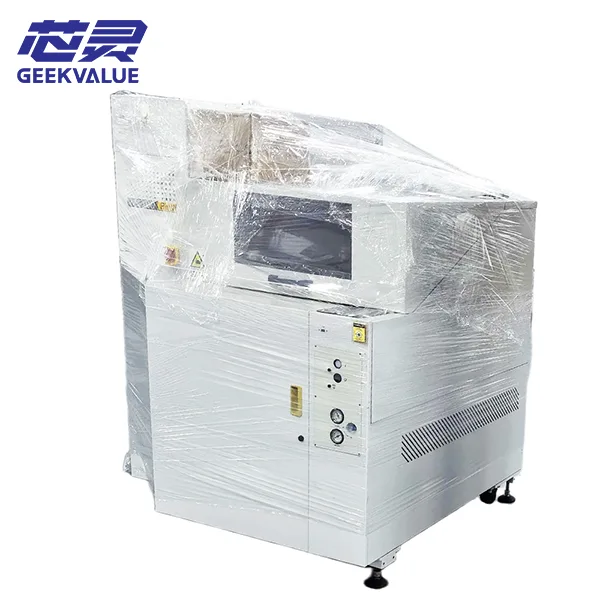
As an upgraded version of the MS100, the ASM MS100 Plus is also a device for chip sorting and arrangement based on wafer...
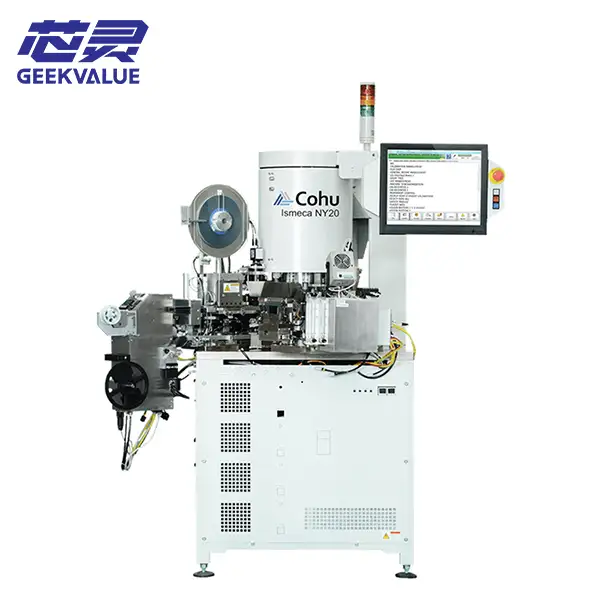
The ISMECA NY20 (now owned by Cohu) is a 20-station rotary ultra-high-speed semiconductor testing and sorting machine
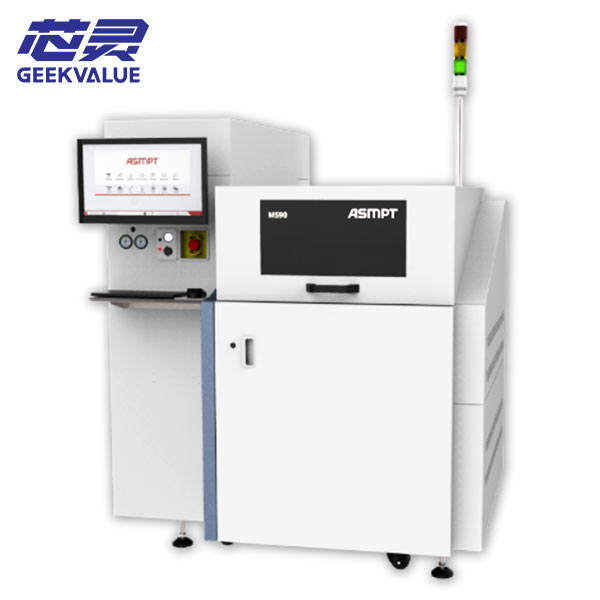
ASM sorting machine MS90 is a device designed for lamp bead sorting, with efficient and accurate sorting functions. This...
The same handler family may use different device kits, contactors, media paths and thermal hardware. A package drawing and the actual device dimensions usually provide a better starting point than a broad package name alone.
Thin package bodies, exposed pads, orientation, pocket geometry and repeatable placement at the contact site.
Body outline, thickness, terminal layout, exposed-pad side, tray or tube format, contactor pitch and vision requirement.
Very small body size, ball or bump protection, pickup surface, vision alignment and stable contact positioning.
Body size, ball map, package height, carrier format, surface restrictions, site pitch and required inspection method.
Package warpage, ball protection, socket alignment, contact force, device power and thermal response during test.
Package dimensions, terminal map, height, power dissipation, target site count and selected socket or contactor.
Lead protection, tray or tube compatibility, package orientation, jam prevention and repeatable seating at the test site.
Lead count, pitch, package thickness, input media, output bins and whether lead or orientation inspection is required.
Higher contact force, device heat, sensitive structures, stimulus requirements or special orientation and inspection.
Electrical load, self-heating, pressure or motion stimulus, package fragility and the required test-cell interface.
Testing before complete singulation or directly from a frame while maintaining map accuracy and package protection.
Strip or frame dimensions, unit map, device pitch, test temperature, site layout and downstream output route.
A fast handler does not automatically create a fast test cell. Effective output is shaped by electrical test time, usable parallel sites, index and contact time, temperature recovery, retest rules and the stability of the contact interface.
Longer test programs can occupy the site for most of the cycle even when the handler moves devices quickly.
Parallel testing increases output only when the tester, program, interface hardware and contactors support the same site count.
Pickup, orientation, placement, insertion, release and output movement determine how efficiently the tester is utilized.
Soak time, device self-heating, recontact, retest, jams and output handling can change actual good-unit production.
Compare the complete packaged-device final-test cell rather than selecting an IC test handler from a maximum mechanical throughput figure alone.
The handler must bring the device to the required condition and present it consistently to the electrical interface. These two areas often determine whether an existing platform can be reused or needs a different configuration.
Changing to another IC package may affect loading, device transport, contact hardware, thermal control, vision, software and final sorting. The same points should be checked when comparing an available or used machine.
A new tray or socket is rarely enough on its own. Review the hardware and software from input presentation to final output.
Tray, tube, tape, bowl, strip or frame hardware must accept the new package and preserve its orientation.
Pickup tools, nests, tracks, pockets, escapements, plungers and guides may require replacement or adjustment.
The socket, contactor, load board, site pitch, docking hardware and contact force must match the new device.
The installed heating, cooling and DUT-control hardware must support the new temperature range and power.
Cameras, lighting, mark reading, pin-one orientation and inspection recipes may require a different setup.
Recipes, bin logic, tester communication, safety limits and engineering validation must be completed before release.
Two machines from the same platform family may have different installed options and different conversion value.
Manufacturer, complete model, serial number, production year, controller generation and current condition.
Supported package, size range, loaders, unloaders, nests, trays, tubes and package-specific conversion parts.
Active site count, test-head arrangement, sockets or contactors, docking hardware and tester communication.
Ambient, hot, cold or tri-temperature modules, sensors, cooling equipment and required utilities.
PC, operating system, application version, licenses, recipes, backups, vision and traceability options.
Accessories, spare kits, manuals, available records, packing, installation and support included in the quotation.
Final compatibility depends on the IC package, installed machine configuration, tester interface, temperature requirement and production target.
Support depends on the handler architecture and installed conversion kit. Common applications include QFN, DFN, WLCSP, BGA, CSP, LGA, QFP, TSOP, TSSOP, power packages and sensors, but the exact dimensions, media and contact interface must be checked on the individual machine.
Multi-site testing presents several devices to the tester at the same time. It can improve throughput when tester resources, the test program, site layout, contactors and thermal system support the same level of parallel operation.
Many devices must be tested at ambient, hot or cold conditions to verify their performance. The handler may condition the package before contact and maintain the required DUT temperature during the electrical test.
It may be possible when the platform supports the required package, media, site layout, temperature condition and tester interface. Conversion can involve loading hardware, device tooling, sockets, contactors, vision, software and validation.
The handler moves, conditions, positions and sorts the packaged IC. The semiconductor tester applies electrical stimuli, measures the response and returns the result used for binning or output routing.
Provide the preferred model if known, IC package drawing, input and output media, test temperature, target site count, approximate test time, tester platform, required equipment condition, quantity and destination.
Send the package drawing, media format, temperature requirement, active site count, test time and tester model so the available equipment can be checked against the intended final-test cell.
Why do so many people choose to work with GeekValue?
Our brand is spreading from city to city, and countless people have asked me, "What is GeekValue?" It stems from a simple vision: to empower Chinese innovation with cutting-edge technology. This is a brand spirit of continuous improvement, hidden in our relentless pursuit of detail and the delight of exceeding expectations with every delivery. This almost obsessive craftsmanship and dedication is not only the persistence of our founders, but also the essence and warmth of our brand. We hope you will start here and give us an opportunity to create perfection. Let us work together to create the next "zero defect" miracle.
DetailsContact a sales expert
Reach out to our sales team to explore customized solutions that perfectly meet your business needs and address any questions you may have.

© All Rights Reserved. Technical Support:TiaoQingCMS